








Motherhood — with its constant demands — allows little time for stillness and self-pampering. Reflexology treatments for frazzled moms can be an immeasurable gift, providing the space for peace and nurturing, while giving the body a much-needed reboot.
What is reflexology?
Reflexology is an ancient healing practice based on the premise that our feet mirror our general health and it is this principle which underpins the reflexology system.
Every day our feet take a pounding and most of us don’t give them a thought until they call out for help.
How does reflexology work?
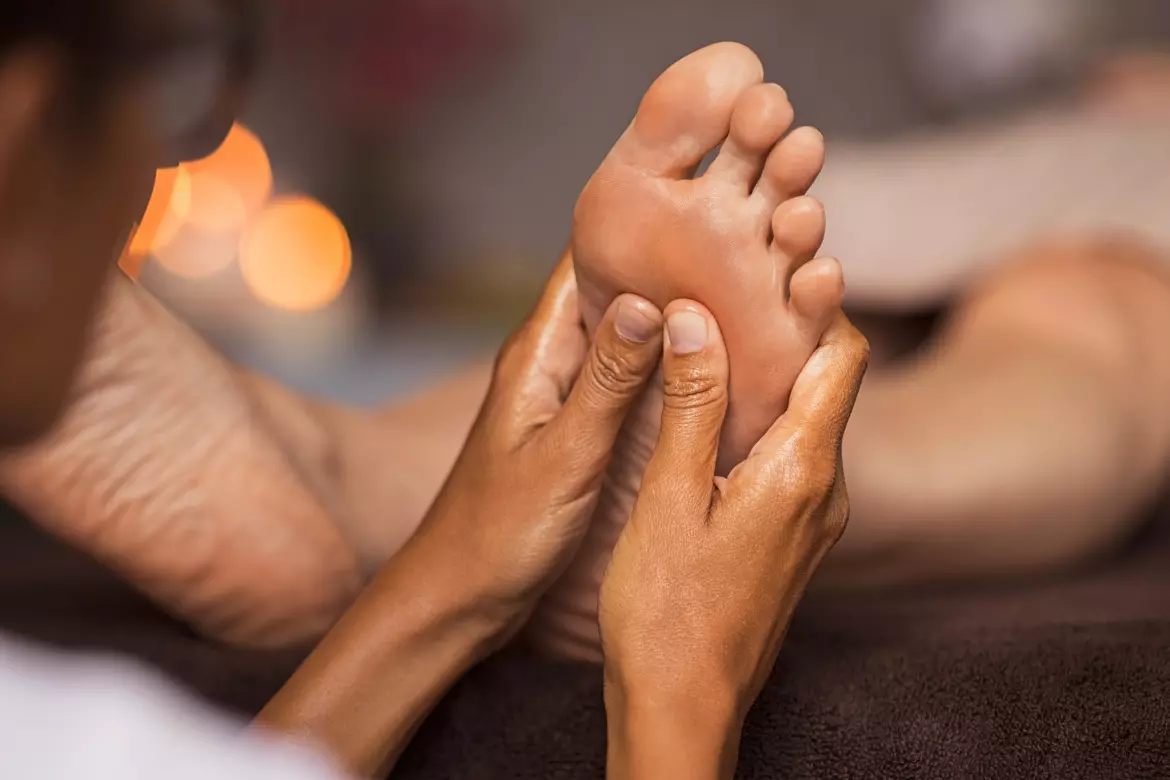
Reflexologists believe that the body pulsates with energy and that massaging specific points on the feet assists in re-establishing the flow within the body. The feet are divided into zones, with each area corresponding to different areas in the body.
It is this reflexology map that the practitioner utilises to navigate a session. For example, the tips of the toes correspond to the head while the ball of the foot reflects the chest.
We all experience times when our body becomes imbalanced due to an injury, disease, or stress and anxiety. This impacts the body’s functioning. Reflexology can be very beneficial as it aims to restore and maintain the body’s natural equilibrium.
When a part of the body is unbalanced, crystalline deposits may build up at the corresponding reflex point on the foot. These points can feel tender or even sore to touch. When the reflexologist massages these areas, deposits are broken down, easing the discomfort.
This, in turn, helps to reduce the congestion or blockages in the affected areas of the body. Inevitably, these ‘tender’ spots correspond to a part of the body that requires healing.
During my first reflex treatment (my prime reason for going was excessive stress), I remember a specific point feeling extremely tender and uncomfortable. As the reflexologist gently worked that spot, she explained that it corresponded to my neck.
I was taken aback as I had been experiencing stiffness and tightness in my neck for weeks. After one session, I could already feel its benefit, and within two more sessions, my neck woes had improved, and I was acutely aware that I felt calmer and more balanced.



ALSO READ: Pilates and Reflexology: Gentle Ways to Ease Pregnancy Symptoms
What can reflexology do for your well-being?
Many people around the world use reflexology to complement medical treatment. Conditions such as arthritis, allergies, chronic sinus problems, digestive disorders, migraines, anxiety, back pain, asthma and PMS – to name a few – can respond favourably to reflexology treatments.
For women struggling with fertility or other gynaecological issues, reflexology has shown promising results.
The theory of reflexology is about bringing the body back into balance. Areas of the body that are working too hard are calmed, while those not working sufficiently are boosted.
Sessions boast many health benefits such as boosting circulation, increasing energy, stimulating nerve function, eliminating toxins and facilitating deep relaxation. Cancer patients find reflexology very advantageous in reducing their treatment-related symptoms of nausea, pain, constipation and diarrhoea.
“Reflexologists believe that the body pulsates with energy and that massaging specific points on the feet assists in re-establishing the flow within the body.”
For Ruth Sacks, therapeutic reflexologist in Sandton, the benefits were profound. “After years of moving between different specialists and medications to treat several specific illnesses, I began feeling frustrated and disappointed in both Western practice and medication.
When I was told that the last resort was exploratory surgery, I began to look past the conventional avenues of healthcare towards alternative methods of treatment. Reflexology treatments enabled my body to heal. No medication, no surgery!”



What to expect during a reflexology session
A full medical history is taken, after which the patient lies on a massage table with bare feet. Then it’s a case of allowing the reflexologist to skilfully do her foot magic.
A typical session usually lasts 30 to 60 minutes. The practitioner will usually engage with the patient during or after the session, highlighting the areas that she feels require extra attention.
How long before I will see results?
The number of sessions will vary from patient to patient and depends on the presenting condition. Well-established disorders will take longer to treat, but you would generally see a result after four treatments for short-term conditions.
A series of treatments is recommended for all conditions to balance the body and prevent a recurrence of the issue. In general, treatments are given once or twice weekly at first, and once an improvement is evident, the treatments are spaced out to fortnightly and then to monthly maintenance sessions.
So, if you need a health reboot, try reflexology. Then lie back and allow your feet to do the talking.
