







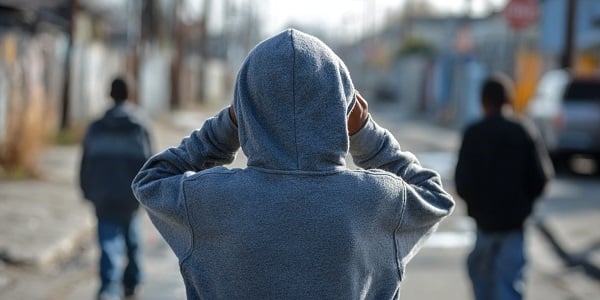
Community violence leaves deep emotional marks on children, even when it does not touch them directly. The sound of shouting in the street, the sight of people arguing, the presence of crime or gang activity, the fear of walking to school or the constant talk of danger around them – all of these shape how children see the world and how their brains develop.
The South African Child Gauge 2025 makes it clear that violence does not happen in isolation. It explains that violence affecting children “occurs across homes, schools and communities,” and that community conditions interact with family stress and child vulnerability in powerful ways.
For millions of South African children, community violence is a daily reality. It influences their emotional wellbeing, behaviour, learning and long-term mental health. This article explores what the Child Gauge reveals about neighbourhood violence, how it affects children and what parents can do to protect and support their children in environments filled with stress.
Understanding Community Violence
Community violence includes:
• gang activity
• shootings or stabbings
• robbery or theft
• violent arguments between neighbours
• xenophobic or racist aggression
• public intoxication or violent behaviour
• domestic violence spilling into public spaces
• threats or intimidation
• drug-related activity
• unsafe walking routes to school
• witnessing police raids or arrests
Children do not need to witness the violence directly to feel its effects. Hearing it, sensing it or living in constant fear is enough to activate their stress systems daily.
The Child Gauge emphasises that violence is shaped by “structural inequality and historical injustices” that make certain communities more vulnerable than others.
How Community Violence Affects the Developing Brain
Children’s stress response systems are highly sensitive. When they grow up in unpredictable or unsafe communities, their bodies stay on high alert.
This constant state of vigilance affects:
Emotional development
• anxiety
• fearfulness
• irritability
• difficulty regulating emotions
Behavioural responses
• aggression
• withdrawal
• hyperactivity
• oppositional behaviour
• sudden mood swings



Cognitive development
• difficulty concentrating
• problems with memory
• slower learning
• decreased school performance
Physical wellbeing
• headaches
• stomach pains
• insomnia
• fatigue
The Child Gauge highlights that children’s experiences of violence accumulate over time and can significantly affect emotional and cognitive development.
Children Feel Unsafe Even When Adults Think They Are Coping
Children rarely tell adults how scared or overwhelmed they feel. They worry about:
• burdening their parents
• getting someone into trouble
• making things worse
• appearing weak
• being teased by peers
• their family being judged
The Child Gauge notes that children’s experiences are often invisible in official reports because adults underestimate or do not witness what children go through. This means parents must look for silent signs rather than waiting for children to speak up.
Signs Your Child Is Affected by Community Violence
Even if your child says they are “fine”, their behaviour may reveal deeper stress.
Look for:



• nightmares or fear of sleeping alone
• refusal to go outside
• fear of certain routes or places
• constant scanning of surroundings
• jumpiness at loud noises
• clinginess
• sudden anger or aggression
• constant worry
• loss of interest in favourite activities
• difficulty concentrating
• complaints of tummy aches or headaches
• school avoidance
These signs indicate that your child may be feeling threatened or emotionally overwhelmed.
How Community Stress Shows Up at School
The impact of community violence often follows children into the classroom.
They may:
• struggle to sit still
• have poor concentration
• become easily frustrated
• react aggressively to small triggers
• avoid group activities
• withdraw socially
• miss school due to fear
• struggle with homework
The Child Gauge shows that violence in communities shapes children’s behaviour in school and contributes to emotional and behavioural risks that teachers often misinterpret as “bad behaviour.”
Why Community Violence Affects Parents Too
Parents living in violent neighbourhoods feel the strain as deeply as children do. This affects their ability to provide emotional support.
Parents dealing with community violence may experience:
• constant fear
• anxiety
• depression
• insomnia
• burnout
• hopelessness
• irritability
• emotional exhaustion
The Child Gauge highlights that caregiver stress shapes children’s wellbeing, since adults under chronic pressure have less capacity for emotional regulation and responsive caregiving.
This means supporting parents is key to supporting children.
How Violence Gets Passed Down Through Generations
Children who grow up in violent communities may normalise aggression, fear or instability. Over time, this shapes their beliefs about relationships, safety and identity.
Exposure to community violence may teach a child that:
• The world is dangerous
• People cannot be trusted
• Aggression is necessary for survival
• Emotions should be suppressed
• You must appear tough to be safe
• The future is uncertain
The Child Gauge explains that early exposure to violence contributes to “an intergenerational cycle” that continues unless actively interrupted. But cycles can be broken with stable, nurturing relationships and community support.
ALSO READ: How Violence Against Women Will Affect Their Children
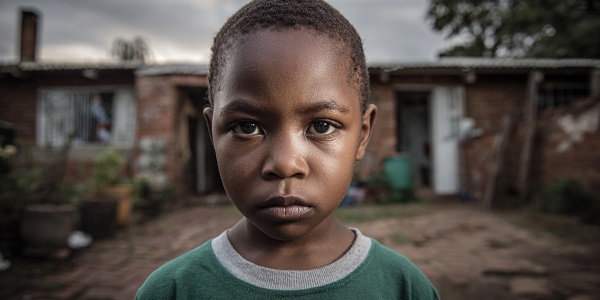
How Parents Can Protect Children Emotionally
You cannot control the community, but you can shape your child’s emotional world. Small, consistent actions have an enormous impact.
1. Create predictable routines at home
Routines make children feel safe even when the world outside feels unpredictable.
2. Validate your child’s emotions
Say things like:
“It makes sense you feel scared.”
“I’m here with you.”
“You can always talk to me.”
3. Limit exposure to frightening conversations
Try not to discuss violent incidents in front of young children.
4. Provide calming activities
Drawing, puzzles, music and reading help regulate emotions.
5. Use gentle touch
A hug, a hand squeeze or a back rub reduces anxiety instantly.
6. Build secure attachment
A strong bond with a caregiver protects children from external stress.
7. Encourage expression
Let children talk, draw or act out their feelings through play.
8. Reduce harsh discipline
Punishment adds stress. Use connection-based guidance instead.
How Parents Can Practically Improve Safety
While parents cannot eliminate violence, they can put safety layers in place.
• plan safer routes to school
• walk with your child when possible
• create safe indoor play activities
• establish safety plans for emergencies
• connect with neighbours for shared supervision
• build networks with other parents
• teach basic safety skills without causing fear
These steps help reduce everyday risks and increase a child’s sense of control.
Why Community Support Matters
The Child Gauge stresses that violence cannot be tackled by families alone. It requires “community and societal” action that addresses inequality, poverty and lack of safe spaces for children.
Supportive communities strengthen children by offering:
• after-school programmes
• safe community centres
• sports and arts groups
• mentorship
• youth clubs
• faith-based support
• food security programmes
• parent support groups
Children who have community connections are more resilient, even in violent areas.
How Schools Can Support Children Affected by Community Violence
Schools must be part of the solution. Teachers cannot change neighbourhoods, but they can provide stability and emotional support.
Schools can help by:
• offering counselling or psychosocial services
• training teachers in trauma-informed approaches
• creating predictable routines
• ensuring children feel seen and valued
• providing safe, supervised spaces
• teaching emotional regulation skills
• building strong relationships with families
A nurturing school can counterbalance a stressful neighbourhood.
How Government and Systems Must Respond
The Child Gauge calls for major systemic change to protect children, including:
• investment in safe public spaces
• improved policing and community safety strategies
• strengthening early childhood development services
• mental health support for children and caregivers
• tackling poverty and inequality
• building youth programmes that reduce vulnerability
• improving data on community violence
Children need environments that protect their rights, not environments that harm them.
Final Thoughts
Community violence shapes children in ways that are powerful, lasting and often invisible. The Child Gauge 2025 shows that children absorb the emotional climate around them, even when they are not directly harmed. Their stress systems, behaviour, learning and relationships are all influenced by the safety of the environment they live in.
But parents are not powerless. Through nurturing care, emotional support, predictable routines and strong connections, families can protect children’s emotional wellbeing even in stressful neighbourhoods. And with community support, schools and systemic change, the cycle of violence can be broken.
Children do not need perfect communities to thrive. They need stable relationships, emotional safety and adults who refuse to give up on creating a protective world for them.
