







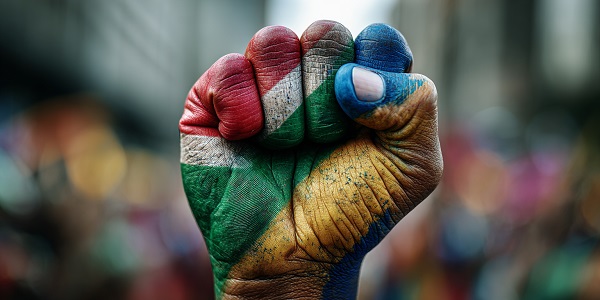
Every year on 21 March, South Africa pauses to reflect on human rights. This day is a public holiday with deep roots and an even deeper responsibility. Human Rights Day is not about ticking a box on the calendar; it is about remembering hard truths and asking an uncomfortable but necessary question: Are human rights truly being protected for everyone today?
In 2026, that question still matters because while the country has one of the most progressive constitutions in the world, many South Africans still experience inequality, exclusion and injustice in daily life. Human Rights Day reminds us that rights are not self-sustaining; they need action, accountability and constant protection.
What Human Rights Day Means in South Africa
Human Rights Day commemorates the Sharpeville Massacre of 1960, when peaceful protesters were killed for standing against pass laws. It marks a moment when the apartheid government violently denied people their most basic rights. This is why remembering Sharpeville is not about reopening old wounds, but about understanding the cost of freedom and the danger of silence.
Today, Human Rights Day represents the values enshrined in South Africa’s Constitution. These include equality, dignity, freedom of expression, access to education, healthcare and housing. On paper, these rights are powerful, but in practice, the picture is mixed.
Think of human rights as a house: the Constitution is the blueprint and the laws are the bricks, but without maintenance, that house starts to crack. Human Rights Day is an annual reminder to check the foundations.
Why Human Rights Still Matter in South Africa Today
Inequality Is Still a Daily Reality
South Africa remains one of the most unequal societies in the world. Where you are born often determines the quality of education you receive, the healthcare you can access and the opportunities available to you. This is not just an economic issue; it is a human rights issue. The right to equality means more than being treated the same; it means having fair access to opportunities. When communities lack clean water, safe schools or reliable healthcare, their rights are being compromised.
Freedom and Safety Are Not Guaranteed for Everyone
For many South Africans, safety is a privilege rather than a given. Gender based violence, crime and discrimination continue to limit freedom for women, children and vulnerable groups. The right to live without fear is fundamental, yet it is not equally experienced. Human rights are meant to protect people; however, when survivors are not believed or supported, those rights lose their power.
Access to Basic Services Is a Rights Issue
Healthcare, education and housing are not luxuries; they are constitutional rights. Yet service delivery protests continue across the country because communities feel unheard and underserved. When clinics are understaffed, schools are overcrowded, or housing projects stall, it raises a critical question: Are rights being actively realised or simply promised?
Freedom of Expression and Accountability Matter
A healthy democracy relies on free speech, a free press and an engaged public. South Africa has a strong tradition of activism and open debate, which must be protected. Calling out corruption, demanding transparency and holding leaders accountable are all expressions of human rights in action. Without them, rights become theoretical.
Human Rights and the Next Generation
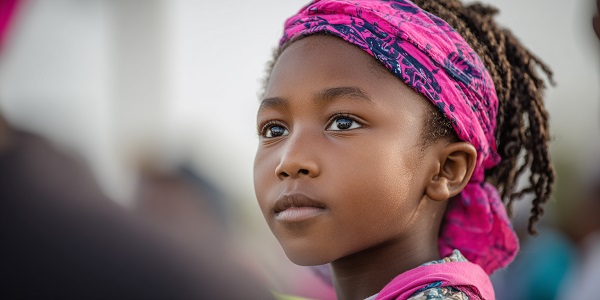
Young people are at the heart of South Africa’s future. Human rights education plays a crucial role in shaping how the next generation understands justice, responsibility and equality. When children learn about their rights, they also learn about their responsibilities. They learn that respect is not optional and that silence in the face of injustice is a choice. Human Rights Day is an opportunity for families, schools and communities to have real conversations about fairness, dignity and empathy.


How Ordinary South Africans Can Honour Human Rights Day
You do not need to attend a formal event to honour Human Rights Day. Small actions matter, such as listening when someone shares their experience, challenging discriminatory language, supporting organisations working on the ground, voting, and speaking up. Human rights are not only defended in courtrooms, but they are also defended in classrooms, workplaces and living rooms.
ALSO READ: Understanding the Children’s Act: balancing rights and responsibilities
Frequently Asked Questions
Why is Human Rights Day celebrated on 21 March in South Africa?
Human Rights Day marks the Sharpeville Massacre of 21 March 1960, when protesters were killed for opposing apartheid pass laws. The day honours those who lost their lives and reinforces the importance of protecting human rights today.
Are human rights only about politics and laws?
No. Human rights affect everyday life. They include access to education, healthcare, safety, dignity and freedom of expression. They shape how people live, work and are treated in society.
Does South Africa have strong human rights protection?
South Africa’s Constitution is widely regarded as one of the most progressive globally. However, the challenge lies in implementation and enforcement, which requires constant effort and accountability.
How can young people get involved in human rights awareness?
Young people can participate through school programmes, community initiatives, volunteering and informed discussions. Learning about rights early helps build a culture of respect and responsibility.
Why do human rights still matter decades after apartheid ended?
Because rights can be eroded if they are not actively protected. Inequality, discrimination and injustice did not disappear overnight. Human rights remain essential for building a fair and inclusive society.
Conclusion: Human Rights Are Everyone’s Responsibility
Human Rights Day in South Africa is not just a moment of remembrance; it is a call to action. Rights are not something we inherit and forget; they are something we practise and protect. Whether you are a parent, a student, a professional or a community leader, your choices matter. So, speak up, stay informed and teach the next generation. Human rights only stay alive when people defend them. Take time this 21 March to reflect, engage and act. The future of human rights in South Africa depends on it.