







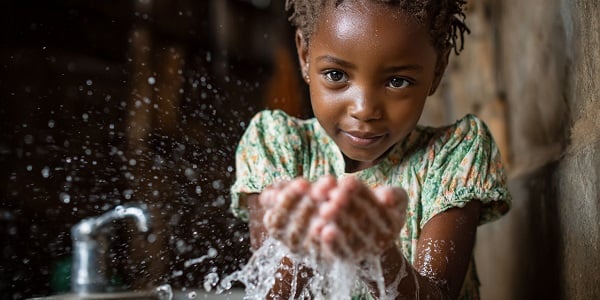
World Hygiene Day is more than a reminder to wash your hands. It is a global call to protect families through simple daily habits that quietly prevent illness, reduce hospital visits and save lives. Hygiene may not feel dramatic, yet it is one of the most powerful public health tools we have.
In South Africa, where many communities still face challenges with access to clean water and sanitation, hygiene awareness is not optional. It is essential. Protecting families begins in the smallest spaces, at the kitchen sink, in school bathrooms and in everyday routines that often go unnoticed.
The truth is this. Good hygiene is like a shield. You cannot see it working, but it stands between your family and preventable disease.
Why Hygiene Still Matters in 2026
We live in a world that understands germs better than ever before. Yet, preventable infections remain common. Respiratory illnesses, stomach bugs, skin infections and waterborne diseases continue to spread, often because basic hygiene practices are inconsistent.
Handwashing with soap remains one of the most effective ways to stop the spread of infection. It reduces the transmission of diarrhoeal diseases and respiratory infections significantly. That sounds simple, but simplicity does not mean insignificant.
Think about how many surfaces you touch in a single day. Door handles, phones, shopping trolleys, taps. Now imagine how easily germs move from hand to face. Hygiene interrupts that chain.
ALSO READ: Good Handwashing Habits Are Essential to Your Hygiene
Protecting Children Through Daily Hygiene Habits
Handwashing Is a Lifelong Skill
Children are naturally curious. They explore with their hands. They touch everything. Teaching proper handwashing from an early age builds a lifelong defence system. Hands should be washed with soap for at least 20 seconds, especially before eating, after using the toilet and after playing outside. Schools play a vital role here, reinforcing habits that protect entire classrooms.
Oral Hygiene Builds Long-Term Health
Protecting families also includes oral care. Brushing twice daily with fluoride toothpaste prevents tooth decay and gum disease. Poor oral hygiene not only causes discomfort. It can affect overall health and school attendance. Parents modelling these habits makes a difference. Children copy what they see.
Food Hygiene Prevents Hidden Risks
Simple practices such as washing fruits and vegetables, separating raw and cooked foods and refrigerating leftovers properly can prevent foodborne illness. Many stomach infections begin in the kitchen. Food safety is not about perfection. It is about consistency.
Hygiene and Mental Wellbeing
Clean spaces also influence mental health. Cluttered, unhygienic environments can increase stress and anxiety. Maintaining basic cleanliness at home creates a sense of order and calm. This does not mean chasing unrealistic standards. It means ensuring safe, sanitary conditions that support physical and emotional wellbeing.

Challenges Facing South African Families
In some parts of South Africa, limited access to clean water and sanitation facilities makes hygiene harder to maintain. Informal settlements and rural areas may lack infrastructure, increasing the risk of preventable disease. World Hygiene Day 2026 is also about advocacy. It highlights the need for improved sanitation systems, access to safe water and public health education. Protecting families requires both personal responsibility and systemic support.
Simple Hygiene Actions That Make a Big Impact
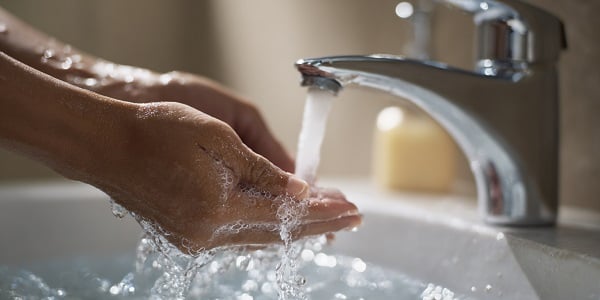
You do not need advanced medical knowledge to protect your family. Small, consistent actions matter.
- Wash your hands properly and regularly.
- Disinfect frequently touched surfaces.
- Cover coughs and sneezes.
- Keep wounds clean and covered.
- Ensure safe drinking water.
These are not complicated steps, yet together they create powerful protection.
Frequently Asked Questions
When is World Hygiene Day 2026 observed?
World Hygiene Day is observed on 5 May 2026.
Why is handwashing so important?
Handwashing with soap removes germs that cause respiratory and diarrhoeal diseases, significantly reducing infection spread.
How can families maintain hygiene with limited water access?
Using water efficiently, prioritising handwashing at key moments and advocating for improved community water access are essential strategies.
Is hygiene only about preventing illness?
No. Hygiene also supports mental wellbeing, dignity and confidence.


How can schools support hygiene education?
Schools can provide handwashing facilities, integrate hygiene lessons into the curriculum and model good practices daily.
Conclusion: Small Habits, Stronger Families
Protecting families on World Hygiene Day 2026 begins with recognising that everyday actions shape long-term health. Hygiene may feel ordinary, but its impact is extraordinary. This year, take a moment to evaluate your family’s hygiene habits. Reinforce the basics, teach children why it matters and advocate for better sanitation in your community. Sometimes, the most powerful protection is also the simplest.
CHECK OUT: 15 Dirtiest Things You Touch Every Day Without Realising It
