







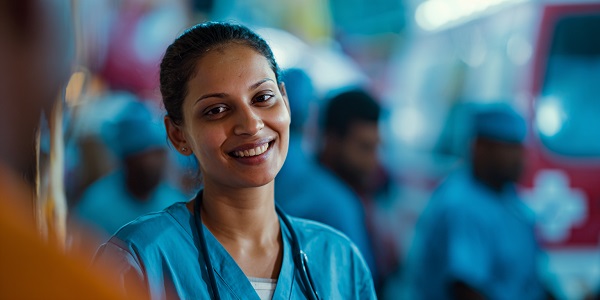
Every year on 12 May, the world marks International Nurses Day, honouring the birthday of Florence Nightingale and recognising the extraordinary contribution nurses make to healthcare systems globally. In South Africa, where public hospitals often operate under immense pressure, the role of nurses is not symbolic. It is foundational.
International Nurses Day is more than a moment of appreciation. It is an opportunity to examine why nursing remains one of the most critical professions in modern healthcare and why supporting nurses directly impacts patient outcomes, community health and national wellbeing.
Below are seven reasons International Nurses Day is relevant, particularly in 2026 when healthcare systems worldwide continue to face staffing shortages and rising demand.
1. Nurses Are the Backbone of Healthcare Delivery
In hospitals, clinics and community health centres, nurses are often the first and last healthcare professionals patients see. They monitor vital signs, administer medication, coordinate care and respond quickly when conditions change. While doctors may diagnose and prescribe, nurses ensure treatment plans are implemented effectively and safely. Without nurses, healthcare systems would struggle to function at even the most basic operational level.
2. They Provide Continuous Patient Care
Unlike many other medical professionals who interact with patients at specific intervals, nurses provide continuous bedside care. They are present during recovery, critical care and end-of-life support. Their consistent presence builds trust and reassurance during some of life’s most vulnerable moments. This continuity is especially important in maternity wards, emergency units and intensive care settings where rapid decisions and calm communication can save lives.
3. Nurses Bridge the Gap Between Medicine and Humanity
Healthcare is not purely clinical. It is deeply human. Nurses often translate complex medical terminology into understandable information for patients and families. They listen when anxiety rises. They comfort when fear takes over. In South Africa’s diverse cultural landscape, nurses frequently serve as cultural intermediaries, ensuring care is respectful and inclusive. Their emotional intelligence is as important as their clinical skills.
4. They Strengthen Public Health Beyond Hospital Walls
Nursing extends far beyond hospital wards. Community nurses deliver vaccinations, monitor chronic conditions, provide maternal care and educate families about disease prevention. In rural and under-resourced areas, nurses may be the primary healthcare providers accessible to entire communities. Their work directly influences long-term health outcomes by focusing on prevention as well as treatment.
5. They Carry a Heavy Emotional and Physical Load
Nursing is demanding. Long shifts, staff shortages and high patient volumes create intense pressure. Emotional fatigue is common, particularly in trauma units and public hospitals where resources may be stretched. International Nurses Day highlights not only appreciation but also the need for better working conditions, mental health support and fair compensation. Supporting nurses is not optional if healthcare systems are to remain stable.
6. The Nursing Workforce Faces Global Shortages
The World Health Organization has repeatedly warned of global nursing shortages. South Africa is no exception. Retention, recruitment and training must remain priorities to ensure adequate patient care. International Nurses Day draws attention to policy-level changes required to strengthen the profession and secure the future of healthcare delivery.
7. Investing in Nurses Improves Patient Outcomes
Research consistently shows that better nurse-to-patient ratios are associated with lower mortality rates, reduced medical errors and improved recovery times. When nurses are supported and adequately staffed, patients receive safer and more effective care. International Nurses Day is therefore not merely about gratitude. It is about recognising that investment in nursing directly improves healthcare outcomes.
Why International Nurses Day 2026 Deserves More Than Appreciation
Appreciation matters, but sustainable change matters more. Recognising nurses publicly must translate into tangible improvements in staffing, training, workplace safety and mental health support. Healthcare systems cannot afford to treat nursing as secondary. It is central.



In South Africa, where healthcare disparities remain visible, nurses often serve as the steady force holding fragile systems together. Their expertise, resilience and dedication deserve both recognition and structural support.
Frequently Asked Questions
When is International Nurses Day celebrated?
International Nurses Day is observed annually on 12 May.
Why is 12 May significant?
It marks the birthday of Florence Nightingale, widely regarded as the founder of modern nursing.
Why are nurses essential to healthcare systems?
Nurses provide continuous care, monitor patient conditions, administer treatment and support families, forming the operational backbone of healthcare delivery.
Does South Africa face a nursing shortage?
Yes. Like many countries, South Africa faces staffing challenges in both public and private healthcare sectors.
How can communities support nurses?
Advocating for better working conditions, respecting healthcare professionals and supporting policies that strengthen nursing education and retention all contribute to meaningful support.
Conclusion: Recognition Must Lead to Action
International Nurses Day is important because nurses sustain healthcare systems in ways that are often invisible but indispensable. They combine clinical precision with human compassion, often under immense pressure. As we observe International Nurses Day 2026, let recognition extend beyond gratitude. Let it drive investment, reform and long-term support for the profession. Because when nurses are strengthened, healthcare is strengthened.