








The good news is that introducing solids does not need to be expensive or complicated. Many nutritious first foods are already available in South African homes and can provide excellent nutrition when prepared safely and appropriately.
As a dietitian and lactation consultant, I often meet parents who believe they need special baby foods to feed their babies well. The truth is that simple home-prepared foods can provide the nutrients babies need while helping them learn important feeding skills.
When is a baby ready for solids?
The World Health Organization (WHO) recommends exclusive breastfeeding for the first six months of life. At around six months, babies can begin complementary feeding while continuing to breastfeed.
Some signs that your baby may be ready for solids include:
- Good head and neck control
- Sitting with support
- Showing interest in food
- Reaching for food
- Opening their mouth when food is offered.
Every baby develops at their own pace. It is important to look for these signs rather than focusing only on age.
Breastfeeding should continue.
Starting solids does not mean breastfeeding should stop.
Breastmilk continues to provide important nutrition, immune protection, comfort and bonding. The WHO also recommends continued breastfeeding alongside complementary foods up to two years of age and beyond.
Solids are introduced to complement breastfeeding, not replace it.
What texture should foods be?
At six months, babies are still learning how to eat and swallow safely.
Foods should be:
- Soft
- Smooth
- Thoroughly mashed.
- Pureed or blended if needed.
Parents can add expressed breastmilk or prepared formula to foods to create a softer texture and a familiar taste.



For example:
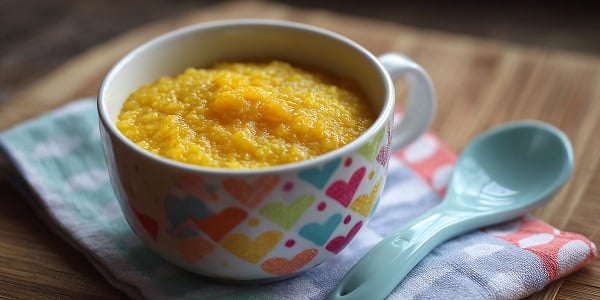
- Mashed pumpkin mixed with breastmilk.
- Sweet potato softened with breastmilk or formula.
- Soft maize meal porridge prepared to a smooth consistency.
As babies become more comfortable with eating, food textures can gradually become thicker and lumpier.
How much food should I offer at first?
When introducing solids, babies are learning a new skill.
Start with about 2 to 3 teaspoons once a day. As your baby becomes more comfortable with eating, the amount can gradually increase.
The goal is not to get your baby to eat a full meal immediately. The goal is to help your baby learn new tastes, textures and feeding skills.
It is also important to follow your baby’s hunger and fullness cues. Some babies may want more food, while others may only take a few teaspoons. Avoid forcing your baby to eat. Feeding should be a positive experience that helps babies learn to enjoy food and develop healthy eating habits.
Affordable first foods for babies
Many affordable foods commonly found in South African homes can be used as first foods.
Soft maize meal porridge
Maize meal is affordable and available in most homes.



Preparation:
Cook until soft and smooth. Do not add sugar or salt. Breastmilk or formula can be added to improve texture.
Pumpkin or Butternut
Pumpkin and butternut are nutritious and often well accepted by babies.
Preparation:
Steam or boil until very soft. Mash thoroughly and add breastmilk or formula if needed.
Sweet Potato
Sweet potato is nutritious, affordable and naturally soft.
Preparation:
Cook until soft and mash until smooth.
Potatoes
Potatoes are affordable, widely available and provide energy for growing babies.
Preparation:
Peel and boil until very soft. Mash thoroughly using a fork and add a small amount of breastmilk or formula if needed.
Oats
Oats are an affordable and nutritious breakfast option.
Preparation:
Cook until soft and smooth before serving.
Banana
Bananas are affordable, convenient and easy to prepare.
Preparation:
Mash thoroughly using a fork until smooth.
Avocado
Avocado provides healthy fats that support growth and brain development.
Preparation:
Mash well until smooth.
Beans and Lentils
Beans and lentils are affordable sources of protein.
Preparation:
Cook until very soft and mash thoroughly.
Eggs
Eggs provide high-quality protein and important nutrients.
Preparation:
Boil thoroughly and mash finely before serving.
Chicken
Chicken is a good source of protein and is commonly available in many South African households.
Preparation:
Cook chicken thoroughly without adding salt. Remove the skin, bones and visible fat. Shred or mince the chicken finely and mix it with mashed potato, pumpkin or soft porridge to create a texture that is easier for babies to manage.
Peanut Butter
Peanut butter is an affordable source of healthy fats and protein.
Preparation:
Use smooth peanut butter with no added sugar or salt. A small amount can be mixed into soft porridge, mashed banana or mashed sweet potato.
When introducing peanut butter, offer a small amount and monitor your baby for any signs of an allergic reaction.
Building a balanced meal
Parents do not need complicated recipes to provide balanced nutrition.
A simple meal can include:
- A starch such as maize meal, oats, potato or sweet potato
- A protein source such as beans, lentils, eggs, chicken or peanut butter
- A fruit or vegetable such as pumpkin, butternut, banana or avocado
Examples include:
- Soft maize meal porridge with mashed pumpkin
- Mashed sweet potato with lentils.
- Oats with mashed banana.
- Mashed avocado with boiled egg
- Pumpkin mixed with mashed beans.
- Mashed potato with boiled egg.
- Mashed potato with chicken.
- Soft maize meal porridge with a small amount of peanut butter.
- Mashed sweet potato with chicken.
Offering a variety of foods helps babies become familiar with different tastes and textures. Parents do not need to introduce many foods at once, but gradually offering different fruits, vegetables, starches and protein foods can help support healthy eating habits.
Common mistakes parents make.
Many parents worry that they are doing something wrong when introducing solids. Some common mistakes include:
- Starting solids too early
- Adding sugar to porridge
- Adding salt to baby foods
- Expecting babies to eat large amounts immediately.
- Stopping breastfeeding too soon
- Comparing their baby to other babies
- Spending unnecessary money on expensive baby foods
Every baby is different. Feeding should be a gradual and enjoyable process.
Foods and drinks to avoid.
When introducing solids, some foods and drinks should be avoided.
These include:
- Sugary drinks such as cooldrinks, fruit drinks and energy drinks
- Sweets, chocolates and candies
- Foods with added sugar
- Foods with added salt
- Honey before one year of age
- Whole nuts and other choking hazards
Babies do not need sugary foods or drinks. Offering healthy foods and continuing breastfeeding or formula feeding helps babies develop healthy eating habits from an early age.
Parents should also remember that breastmilk or formula remains the main drink during the first year of life.
Keeping solids safe
Food safety is an important part of introducing solids.
Parents should:
- Wash hands before preparing food.
- Use clean utensils.
- Introduce one new food at a time.
- Supervise baby during feeding.
- Ensure foods are soft and age-appropriate.
- Avoid choking hazards such as whole nuts, popcorn and hard food pieces.
If you are concerned about allergies or your baby reacts to a new food, consult your healthcare professional.
Final Thoughts
Introducing solids should be a positive experience for both parents and babies. Expensive baby foods are not necessary for healthy feeding. Many affordable foods already found in South African homes can provide excellent nutrition when prepared safely and appropriately.
Start slowly, continue breastfeeding, keep meals simple and focus on creating positive feeding experiences. With patience, consistency and the right information, families can confidently introduce solids while supporting healthy growth and development.
References
- World Health Organization (WHO). Infant and Young Child Feeding. (2023)
- World Health Organization (WHO). WHO Guideline for Complementary Feeding of Infants and Young Children 6–23 Months of Age (2023)
- UNICEF. Feeding Your Baby: 6–12 Months
- National Department of Health South Africa. Road to Health Booklet