







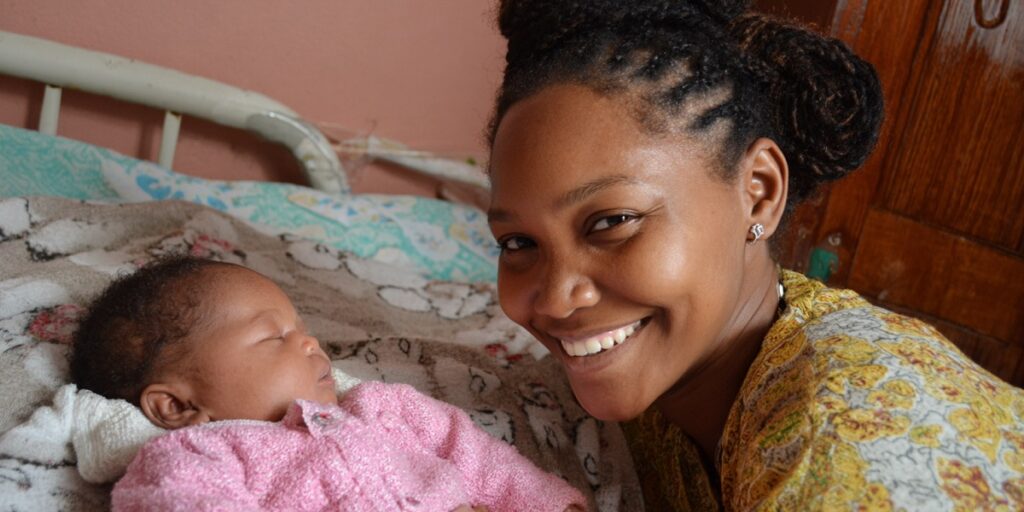
For many new mothers in South Africa, postpartum is also shaped by family structures, community traditions, healthcare access, cultural practices and the realities of modern parenting. Some mothers may have extended family nearby, while others recover far from home or navigate early parenthood without a village. Regardless of the birth setting or feeding choices, every mother deserves compassionate, informed care during this transition.
The fourth trimester generally refers to the first 12 weeks after birth. During this time, the mother’s body begins healing from pregnancy and labour while the newborn adapts to life outside the womb. It is a season that requires patience, recovery time and ongoing care. Recovery is not only physical. Emotional wellbeing, mental health, sleep, feeding support and adjustment to a new routine are equally important parts of postnatal care.
ALSO READ: Dear New Mama: Surviving the Fourth Trimester
Physical postpartum recovery looks different for every mother and depends on factors such as pregnancy, birth experience, medical history and overall health. Vaginal births, assisted deliveries and caesarean births all require recovery time.
Many mothers experience vaginal bleeding known as lochia for several weeks after birth as the uterus sheds blood and tissue. Cramping, especially while breastfeeding, is also common as the uterus contracts back to its pre-pregnancy size. Perineal tenderness, swelling and discomfort may occur after vaginal births, particularly if there were tears or stitches. Mothers recovering from a caesarean birth may need additional time to heal from abdominal surgery and may experience pain around the incision site, reduced mobility and fatigue.
One of the biggest adjustments during postpartum recovery is understanding that healing is gradual. In many cultures across Africa, postpartum rest has traditionally been protected and prioritised. Mothers were often cared for by female relatives or community members who helped with meals, household tasks and newborn care while the mother recovered. Modern life may have changed many of these traditions, but the need for intentional rest has not changed.
TAKE A LOOK AT: Can Psychedelic Mushrooms Really Ease Postpartum Depression?
Sleep deprivation can also affect physical recovery and emotional wellbeing. Newborns feed frequently and wake often, especially during the first few weeks. It is common for babies to have irregular sleep patterns while adjusting to life outside the womb. Many parents are surprised by how demanding newborn care can feel, particularly during the night. Families often benefit from realistic expectations about infant sleep and feeding rather than pressure to establish strict routines too early.
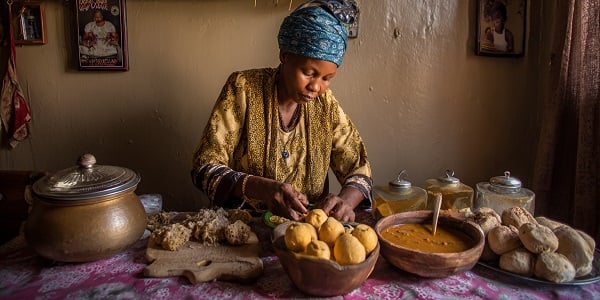
Nutrition and hydration also play an important role in postpartum recovery. The body requires nourishment to heal, regulate hormones, restore energy levels and maintain milk production for breastfeeding mothers. Warm meals, iron-rich foods, protein, fruits, vegetables and adequate fluids can support healing during the fourth trimester.
In many South African homes, traditional postpartum foods and warming meals continue to play an important role in caring for mothers after birth. These practices are often rooted in generations of wisdom around healing, comfort and restoration.



CHECK OUT: 7 Ways to Tackle Postpartum Weight Loss And Regain Your Pre-Baby Body
Alongside physical healing, emotional adjustment during the postpartum period deserves more open conversation. Becoming a parent can bring joy, excitement, love and gratitude, but it can also bring feelings of overwhelm, anxiety, loneliness, grief or self-doubt. Hormonal shifts, exhaustion, feeding challenges, changes in relationships and the responsibility of caring for a newborn can all contribute to emotional vulnerability.
Many mothers experience “baby blues” during the first few days after birth. This may include tearfulness, mood changes, irritability and emotional sensitivity. These feelings are common and often improve within two weeks. However, if feelings of sadness, anxiety, hopelessness, panic or disconnection persist or worsen, professional help may be needed. Postpartum depression and anxiety can affect any mother regardless of background, birth experience or family structure.
Partners and family members also play an important role in noticing emotional changes. Caring for a new mother includes checking in on her wellbeing, not only the baby’s. Asking whether she has rested, eaten, showered or feels emotionally supported can make a meaningful difference during this vulnerable season.
MUST READ: Mental Wellbeing After Pregnancy: Baby Blues, Postpartum Depression and Real Support for SA Moms
Another major part of the fourth trimester is learning newborn care. Many first-time parents feel pressure to immediately know how to care for a baby, yet parenting is a learning process. Feeding, burping, diaper changes, bathing, soothing and understanding newborn cues all take time and practice.
Newborns are biologically designed to seek closeness and regulation through their caregivers. Frequent feeding, contact naps, cluster feeding and wanting to be held are normal newborn behaviours. Babies are adapting from the constant warmth, movement and sounds of the womb into a completely new environment. Understanding what is developmentally normal can help parents feel more confident and reduce unnecessary anxiety.
Feeding support is one of the most valuable parts of postpartum care. Breastfeeding can be rewarding, but it may also come with challenges such as sore nipples, engorgement, latch difficulties or concerns about milk supply. Some families may combine feeding or formula feed depending on their circumstances and medical needs. Parents deserve evidence-based feeding information without judgment.



Access to lactation consultants, postpartum doulas, nurses and supportive healthcare providers can help families navigate feeding with greater confidence. Skin-to-skin contact and responsive care are also important during the early postpartum period. However, bonding does not always happen instantly. Some mothers may need time to emotionally adjust after birth, especially after traumatic or medically complex experiences. Gentle reassurance can help parents understand that attachment develops over time through consistent care and connection.
Practical postpartum preparation can make a significant difference in easing the transition into life with a newborn. Many parents spend months preparing for labour but very little time preparing for recovery after birth.
Preparing for postpartum may include arranging help at home, meal preparation, understanding newborn feeding, organising household support and discussing realistic expectations with partners or family members. Families can also prepare by creating a calm recovery environment at home. This may include setting up feeding stations, stocking postpartum recovery supplies, preparing comfortable sleeping arrangements and limiting unnecessary visitors during the early weeks.
New parents often feel pressure to host guests or quickly return to daily responsibilities, yet healing, bonding and adjusting to a new rhythm take time. Protecting the postpartum period allows families time to settle into their new rhythm.
In South Africa, access to postpartum care can vary greatly depending on location and finances. Some mothers may have access to private postpartum services, while others rely on public healthcare clinics or family networks. Community-based care, culturally respectful support and postpartum education remain important parts of improving maternal wellbeing across all communities.
Postpartum doulas and birth support professionals can offer practical and emotional care during the fourth trimester. Their role may include assisting with newborn care, feeding guidance, recovery education, emotional reassurance and light household help. Having continuous, compassionate care can reduce feelings of isolation and help mothers feel seen during postpartum recovery.
INTERESTING READ: What Does a Doula Do? A Complete Guide for Parents
It is also important to acknowledge that not every postpartum journey looks the same. Some mothers may be recovering after a difficult birth, NICU stay, pregnancy loss or emergency caesarean birth. Others may be navigating postpartum while balancing work responsibilities, financial stress or limited family support. Compassionate postpartum care means meeting families where they are without unrealistic expectations or comparison.
The fourth trimester is not simply a recovery period to “bounce back” from. It is a transformative stage that deserves intentional care, education, patience and community. Mothers are healing physically while adjusting emotionally and learning to care for a completely dependent newborn.
When mothers are supported during postpartum recovery, families are better able to thrive. Preparing for postpartum recovery is just as important as preparing for birth itself and no mother should have to navigate the fourth trimester alone.