







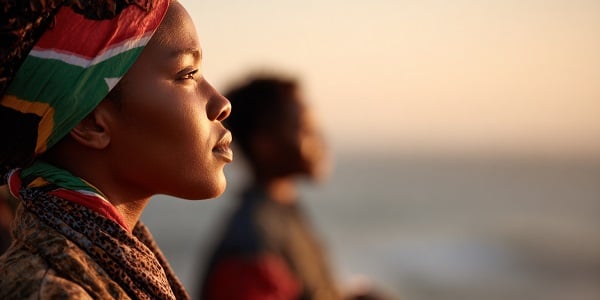
Freedom Day South Africa, observed on 27 April, carries a very different meaning for today’s young people than it did for previous generations. For many born after 1994, apartheid is something they learned about in school rather than lived through. Yet freedom is not abstract; it is something they experience, question and redefine every single day. For the new generation, Freedom Day is not only about looking back; it is about asking where South Africa is going next and what freedom should look like for them.
What Freedom Day Represents in South Africa
Freedom Day marks the first democratic elections held on 27 April 1994, when black citizens of South Africa voted freely for the first time. It symbolises the end of institutionalised apartheid and the beginning of a constitutional democracy built on equality, dignity and human rights. For older generations, Freedom Day often brings memories of struggle, sacrifice and hard-won victories. For younger South Africans, it represents inherited freedom paired with inherited responsibility.
How the New Generation Sees Freedom Today
Freedom Is Opportunity, Not Just Rights
Young South Africans often define freedom through opportunity –the freedom to study, to work, to move freely, to build a future and to live with dignity. While legal rights exist, many young people feel that access to opportunity still depends heavily on background, location and economic status. For this generation, freedom feels incomplete when unemployment remains high and access to quality education is uneven. The promise of freedom is there, but the experience of it can feel fragile.
Freedom Includes Mental and Emotional Wellbeing
Previous generations fought for political freedom. Today’s youth are also focused on emotional and mental freedom. This is the freedom to speak openly about mental health, identity, pressure and expectation. Young people are redefining strength, which is no longer about silence and endurance. It is about honesty, support and balance.
Freedom Means Having a Voice
Social media and digital platforms have reshaped how young South Africans engage with freedom. Expression, activism and accountability now happen online as much as offline. This generation questions leadership, challenges systems and demands transparency. They believe freedom includes the right to speak up and to be taken seriously. Silence no longer feels like an option.
The Role of Young People in Protecting Freedom
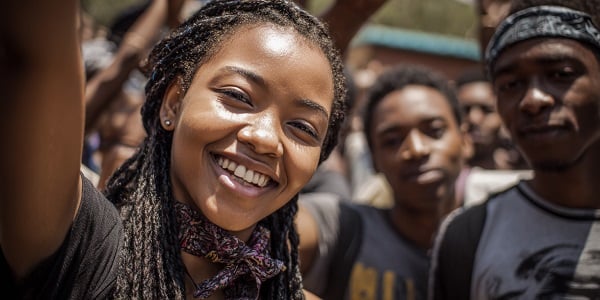
Freedom does not automatically sustain itself. Young South Africans understand that democracy requires participation. Voting, community involvement, activism and informed discussion are seen as essential. Many young people feel a deep sense of responsibility to shape a country that reflects fairness and inclusion. Freedom Day is a reminder that freedom is not a finished project; it is ongoing work.
Education and Freedom
Education plays a central role in how the new generation understands freedom. Access to information allows young people to question narratives, understand history and imagine alternatives. At the same time, challenges within the education system highlight how freedom can feel limited when resources are stretched and support is uneven. For young South Africans, true freedom includes equal access to quality education that prepares them for the future, not just the present.
Freedom and Identity
Today’s youth live in a South Africa where identity is openly explored. Culture, language, gender and personal expression are increasingly part of public conversation. Freedom Day is seen as a celebration of diversity rather than uniformity. Young people believe freedom means being able to show up as yourself without fear of exclusion or judgement. This shift reflects a broader understanding of freedom as inclusion, not just independence.
How Freedom Day Is Being Reimagined
Freedom Day for the new generation is less about formal ceremonies and more about conversation and action. It shows up in school discussions, online debates, creative expression and community initiatives. Young people mark the day by asking difficult questions: Are we free if inequality persists? Are we free if safety is not guaranteed? Are we free if opportunity feels out of reach? These questions are not signs of disrespect, but signs of engagement.
What Older Generations Can Learn from This Perspective
The way young people view Freedom Day may feel uncomfortable at times – it is more critical and less ceremonial, but it is deeply invested in the future. The new generation honours the past by refusing to accept stagnation. They believe the greatest respect for history is progress. Freedom Day becomes a bridge between what was fought for and what still needs to be built.



ALSO READ: Understanding the Children’s Act: balancing rights and responsibilities
Frequently Asked Questions
When is Freedom Day celebrated in South Africa in 2026?
Freedom Day 2026 is celebrated on 27 April 2026.
Why does Freedom Day feel different for younger South Africans?
Many young people were born after apartheid and experience freedom as something inherited. They focus more on opportunity, equality and lived experience than historical struggle.
Does the new generation value Freedom Day?
Yes, but often in different ways. Young people value reflection, discussion and action over formal celebrations.
How can young people actively protect freedom?
By voting, staying informed, engaging in community initiatives, challenging injustice and holding leaders accountable.
Why is Freedom Day still important today?
Freedom can erode if it is not protected. Freedom Day reminds all generations that democracy requires participation and responsibility.
Conclusion: Freedom Through New Eyes
Freedom Day through the eyes of a new generation is honest, hopeful and demanding. It recognises the sacrifices of the past while refusing to settle for an unequal present. For today’s youth, freedom is not a destination. It is a journey shaped by action, accountability and empathy. This Freedom Day is an invitation to listen, to learn and to work together.
YOU MAY ALSO LIKE
National Women’s Day South Africa 2026 celebrates strength, resilience and progress while highlighting the ongoing challenges women still face today.