








Hantavirus is a rare but serious virus that spreads mainly through contact with infected rodents, especially their urine, droppings or saliva. People usually become infected when they breathe in tiny particles from contaminated dust, often while sweeping or cleaning areas where rodents have been. Although uncommon, hantavirus infections can be severe and need urgent medical attention. Understanding how it spreads and what to look out for can help families stay safe.
How Do People Get Hantavirus?
Hantavirus does not spread through casual contact between people in most cases. Infection usually happens through exposure to rodents or places where they have been active.
The most common ways people are exposed include:
• Breathing in dust contaminated with rodent droppings or urine
• Touching contaminated surfaces and then touching the nose or mouth
• Being bitten by an infected rodent, although this is rare
• Cleaning enclosed spaces like sheds, garages or storerooms where rodents have lived
Activities like sweeping, vacuuming or opening unused spaces can release virus particles into the air.
In a statement on 6 May, South Africa’s Minister of Health, Dr Aaron Motsoaledi, indicated that preliminary laboratory findings confirmed the Andes strain of hantavirus, a zoonotic virus primarily transmitted through contact with infected rodents. Dr Motsoaledi emphasised that human-to-human transmission is rare and requires close contact.
The Chairperson of the Portfolio Committee on Health, Ms Faith Muthambi, also highlighted that the current risk remains contained.
“We note the assurances that there is limited exposure within the country at this stage. However, we must remain vigilant and ensure that our systems continue to function optimally to prevent any escalation.”
Which Rodents Carry Hantavirus?
Different types of rodents can carry hantavirus, depending on the region. In many parts of the world, the deer mouse is a known carrier. In Africa, certain wild rodents may carry related strains. These animals do not look sick, so it is not always obvious which ones pose a risk. This is why avoiding rodent exposure altogether is the safest approach.
Symptoms of Hantavirus
Symptoms usually appear between one and eight weeks after exposure. Early symptoms can feel like a normal viral illness, which makes it easy to miss at first.
Early signs include:



• Fever and chills
• Headaches
• Muscle aches, especially in the back and legs
• Tiredness
As the illness progresses, it can become much more serious.
Later symptoms may include:
• Shortness of breath
• Coughing
• Chest tightness
• Difficulty breathing
These symptoms can worsen quickly and may require hospital care. If someone develops breathing problems after possible rodent exposure, they should seek medical help immediately.
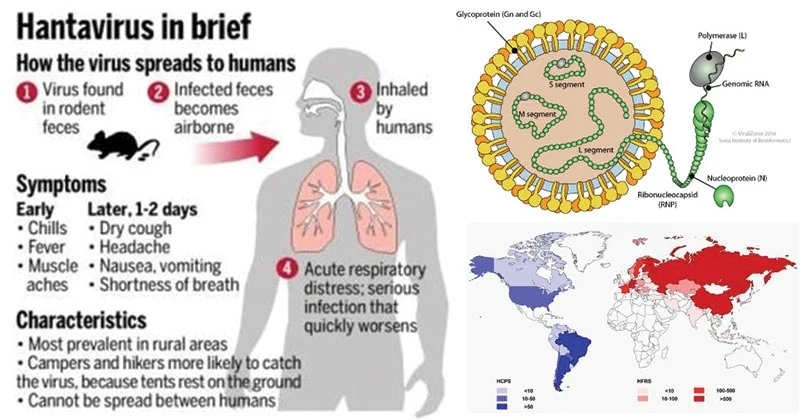
Image Source: Microbe Notes – Sagar Aryal, PhD
Why Hantavirus Can Be Dangerous
Hantavirus can affect the lungs and, in some cases, the kidneys. One of the most serious forms is called hantavirus pulmonary syndrome, which causes fluid to build up in the lungs and makes breathing very difficult. Because symptoms can escalate quickly, early medical care is important. There is no specific cure, but supportive treatment in the hospital can improve outcomes significantly.



Is Hantavirus Common in South Africa?
Hantavirus is considered rare in South Africa and cases are not frequently reported. However, rodents are common in both urban and rural areas, so awareness is still important, especially when cleaning storage spaces, farms, outbuildings or holiday homes that have been closed for a while.
How to Reduce Your Risk at Home
The best protection is preventing contact with rodents and their droppings. Simple precautions can make a big difference. When dealing with areas where rodents may have been, avoid sweeping or vacuuming dry droppings. This can release contaminated dust into the air.
Instead:
• Open windows and air out the space for at least 30 minutes
• Wear gloves and, if possible, a mask
• Spray droppings with a disinfectant before cleaning
• Use paper towels to remove waste and dispose of it safely
• Wash hands thoroughly after cleaning
Keeping your home clean and sealed also helps prevent rodents from entering.
When Should You Worry?
Most people will never come into contact with hantavirus, but it is important to take symptoms seriously if there has been possible exposure to rodents.
You should seek medical advice if:
• You have flu-like symptoms after cleaning a rodent-infested area
• You develop breathing difficulty suddenly
• You feel worse rather than better after a few days
Trust your instincts. Early care matters.
Disclaimer: This article provides general information only and does not replace medical advice. If you suspect exposure to hantavirus or develop concerning symptoms, consult a healthcare professional or visit your nearest clinic or hospital.
