







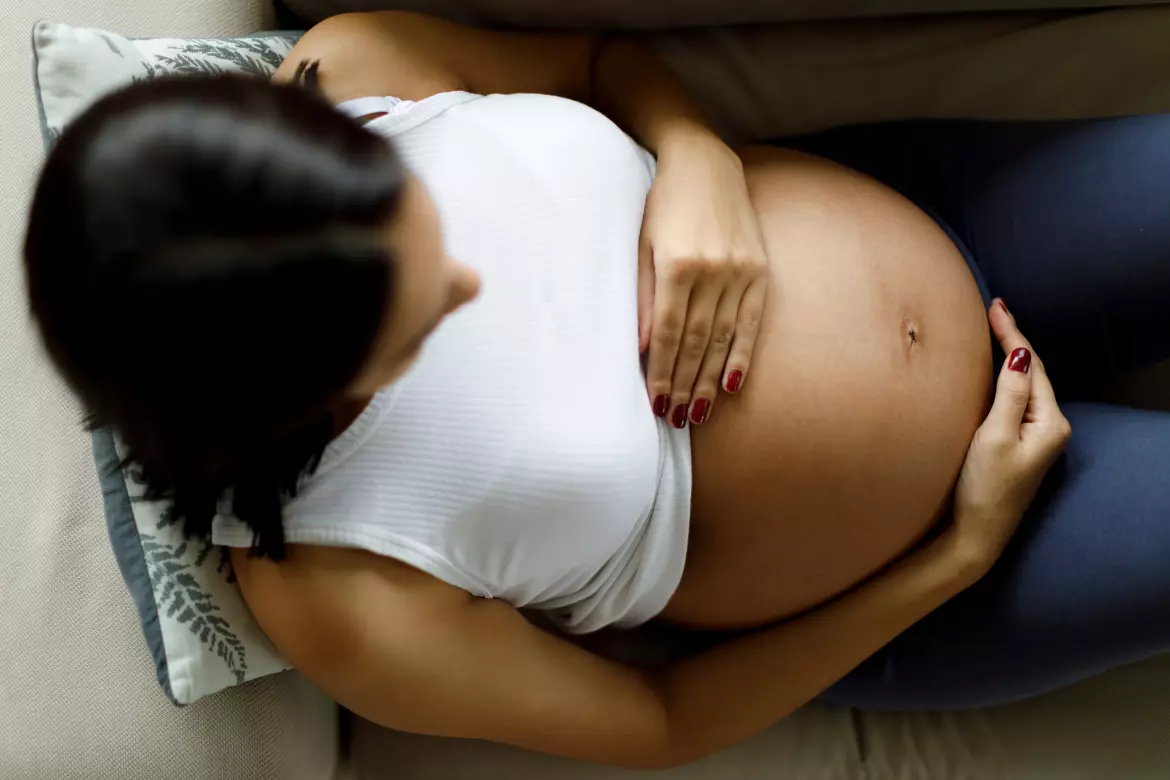
Living life on the run is something most of us can relate to; however, taking time out to thank your body and celebrate its incredible power both anatomically and physiologically is so much more important than we can ever imagine and something we often don’t do until it is too late.
Taking this time out when you’re trying to start a family, are in the midst of a pregnancy, or have given birth a while ago, is non-negotiable when it comes to your mental, physical and emotional health, not to mention the health of your baby.
As a Pilates instructor and therapeutic reflexologist, I look at the importance of posture and relaxation before, during (in particular) and after pregnancy.
At the same time, I hope to in a tiny way illustrate the interconnectedness of your body and its systems by linking the benefits of Pilates and reflexology.
“Pilates is not only a wonderful form of exercise; it is also relaxing because of the focus on breath, which in itself is so beneficial for the unborn baby as well as being calming and centring for you.”
Pilates is not only a wonderful form of exercise; it’s also relaxing because of the focus on breath, which in itself is so beneficial for the unborn baby as well as being calming and centring for you.
Part of your postural health is also the health and well-being of your feet. Here, reflexology makes a great partner to Pilates during and after pregnancy.
It is also fantastic where infertility is an issue because by creating balance and helping the body to heal, optimal conditions for conception are created.
ALSO READ: Exercise During Pregnancy: Benefits, Safety & What to Avoid



How Pilates and reflexology work together
The focus of Pilates on posture is paramount in avoiding back, hip, neck and knee pain among a host of other niggles pregnant mommies-to-be often complain about.
Any thorough preggie Pilates class (as well as a normal one) will dedicate some time to doing footwork. Footwork is so important because, with the increase in weight and change in posture, many expectant women end up with their feet growing in size and becoming flat-footed.
The arches may drop with the additional kilograms and since our feet are the foundation of our bodies, dropped arches can lead to other complaints such as ankle and knee pain, which can then lead to hip, lower back and even neck pain.
With 33 joints, 26 bones and a network of over 100 muscles, tendons and ligaments, and about 7 000 nerve endings in each foot, our feet are remarkable structures and deserve mega doses of TLC.
There are 250 000 sweat glands in the feet producing perspiration when active. Movement of the feet stimulates lymphatic vessels which follow the veins, stimulating lymph drainage.
Swollen feet and ankles are common maladies of pregnancy and taking care of these masterpieces of engineering with Pilates and reflexology will benefit the entire body.
When we look at the condition of the feet, cracked heels are an unsightly, often painful, and very difficult symptom to get rid of. Despite numerous visits to beauty salons for pedicures, the cracks reappear within days, much to everyone’s despair.
The reasons for these are many. Kidneys filter waste products and other toxins from the body. Poor diet, genetics and lifestyle choices can lead to a buildup of waste products.



The kidney meridian also runs to the baby toes. Here, reflexology is wonderful for balancing the body’s systems and assisting in detoxing.
Another cause – and one where Pilates comes to the rescue – is a lower back imbalance. Strengthening the lower back while training the pelvis to maintain optimal alignment with the growing belly will keep this condition in check.
Let’s not forget stress levels. Any pregnant woman has some form of stress, from financial worries to fears of doing all the right things for her baby, as well as being pulled in a million different directions.
Reflexology, with its powerful relaxation benefits, is top of the charts to help ease stress. Babies born to moms who enjoyed reflexology during pregnancy are known to be less fretful, sleep better and be much more relaxed themselves.
Incidentally, reflexology is brilliant for aiding breast milk production – another incredibly important reason to take a load off your feet and treat yourself to a session.
Another common foot issue is plantar fasciitis, which is the tightening of the ligament running along the arch of the foot. This tightening can be due to tight calf muscles or shortened lower back muscles.
From an emotional perspective, for a new mother suddenly needing to become the support system for her new baby and in many cases the rest of the family, this pressure can be an aggravating factor for plantar fasciitis. Never underestimate the link between emotions, thoughts and what is presented in the body.
Bruce Lipton, Louise Hay and Deb Shapiro are all experts in this field and well worth looking up when there is a physical symptom that will not resolve itself, despite all other interventions.
So many of the aches associated with pregnancy can be alleviated by using the body’s natural posture to support the numerous changes to the body.
Here Pilates comes into its own as a fantastic exercise modality and preventative measure. As the tummy grows, the typical backwards-leaning pregnancy stance can impact the internal organs that are already being crowded by the growing foetus, thus causing all sorts of problems such as indigestion and constipation, shortness of breath and in turn fatigue.
A pregnant woman can call on her inherent skeletal alignment and deep core support to assist in holding her in a comfortable way that relieves many of the common complaints during the most challenging late months of pregnancy.
With correct postural alignment, the core muscles function like a hammock, cradling the baby from below and holding baby and tummy in place. Knowing how to sit, stand and bend is important for all human beings but even more so for a woman who is doing the same for two.
“… any exercises done during pregnancy must emphasise natural alignment as well as the core.”
These same core muscles are integral during the actual birth process too, helping to move the baby through a correctly aligned birth canal.
A posture that is malaligned will activate all the wrong muscles, which will then interfere with the ability of the core muscles to push the baby out. It is for this reason that any exercises done during pregnancy must emphasise natural alignment as well as the core.
Combining the posture-enhancing and relaxation benefits of Pilates with the deeply relaxing and balancing effects of reflexology will make for a mom who is not overcome by back pain, heartburn, fatigue, swollen ankles, plantar fasciitis, anxiety…the list goes on. Instead, your baby will be born to a happy, chilled mom who, despite living life on the run, knows to make herself a priority to give her all to those she loves and adores more than anything in this world.
TAKE A LOOK AT: When Pregnancy Triggers Body Image Issues You Thought Were Gone
