








On 16 June each year, South Africa pauses to remember a moment that reshaped its future. Youth Day is rooted in the events of 1976, when students in Soweto took to the streets in protest against an education system that denied them dignity, language and opportunity. What began as a demonstration became a turning point, exposing the brutality of apartheid to the world and placing young people at the centre of South Africa’s struggle for freedom.
In 2026, nearly three decades into democracy, Youth Day carries a layered meaning. It is both a commemoration of courage and a reflection of present realities. Most importantly, it is a question about the future. What does youth power look like now and where is it heading?
Then: A Generation That Refused Silence
The youth of 1976 were not passive participants in history. They were its catalysts. At a time when political expression was heavily restricted, students organised, mobilised and spoke out against the imposition of Afrikaans as a medium of instruction. Their protest was not only about language. It was about access, identity and the right to shape their own futures.
The consequences were immediate and devastating. Lives were lost. Communities were shaken. Yet the uprising ignited a global response and intensified resistance within South Africa. It demonstrated that young people were not merely affected by policy decisions. They were capable of challenging them.
That legacy still defines Youth Day. It reminds us that change has often begun with those who were told to wait their turn and chose not to.
Now: A Generation Facing a Different Set of Barriers
Today’s youth in South Africa inherit the freedoms that previous generations fought for, but they also face challenges that are less visible yet equally complex. The barriers are no longer enforced through legislation in the same way, yet inequality, unemployment and uneven access to education continue to shape outcomes.
Youth unemployment remains one of the most pressing issues in the country, limiting economic participation and creating a sense of uncertainty about the future. At the same time, access to quality education varies significantly depending on geography and resources, reinforcing cycles that are difficult to break.
Beyond economics, there is also a growing conversation around mental health, identity and belonging. Young people are navigating a world that is more connected than ever, yet often more demanding. Expectations are high and opportunities exist, but not always equally.
The contrast between then and now is striking. The fight is no longer against a single oppressive system, but against a web of structural challenges that require different forms of engagement.
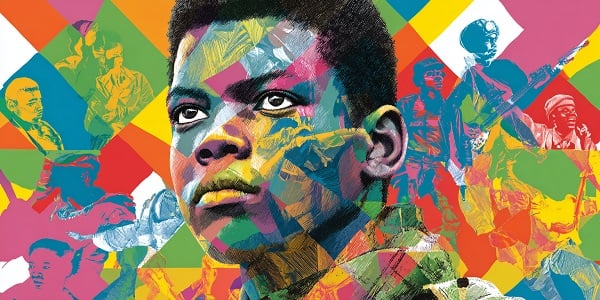
The Shift from Protest to Participation
While the youth of 1976 expressed their resistance through protest, today’s generation operates within a framework that allows for participation in multiple forms. Voting, entrepreneurship, digital activism and community initiatives have become key avenues through which young people shape society.



Social media has amplified youth voices, creating platforms where issues can be raised and discussed in real time. Movements gain traction quickly. Conversations reach wider audiences. Yet this visibility also comes with complexity. Engagement can be immediate, but sustained change still requires organisation, strategy and persistence.
Youth Day 2026 highlights this shift. The question is no longer only how young people resist, but how they build.
ALSO READ: Neurodiversity and Its Impact on Youth Today: 10 Empowering Ways to Support Your Child
What’s Next: Redefining Opportunity and Impact
Looking ahead, the role of young people in South Africa will depend largely on how current challenges are addressed and how opportunities are created. Skills development, access to technology and support for entrepreneurship will play a critical role in shaping future pathways.
There is also a growing recognition that innovation does not only come from formal structures. Young South Africans are already creating solutions within their communities, whether through small businesses, creative industries or social initiatives. These efforts may not always make headlines, but they contribute to long-term change.
The future of Youth Day lies in this balance between remembering and reimagining. Honouring the past while actively shaping what comes next.
Why Youth Day 2026 Still Matters
Youth Day remains relevant because it connects history with present responsibility. It is not only about remembering what happened in 1976, but about asking whether the conditions young people face today reflect the vision that was fought for.
Commemoration without reflection risks becoming routine. Reflection without action risks becoming passive. Youth Day sits between the two, reminding South Africa that its future continues to be shaped by its youth.



Frequently Asked Questions
When is Youth Day South Africa 2026 observed?
Youth Day is observed on 16 June 2026 and is a public holiday.
What is the historical significance of Youth Day?
It commemorates the 1976 Soweto Uprising, when students protested against the apartheid education system.
What challenges do South African youth face today?
Youth unemployment, unequal access to education and mental health pressures are among the key challenges.
How are young people shaping South Africa today?
Through entrepreneurship, digital engagement, community initiatives and participation in democratic processes.
Why is Youth Day still important in 2026?
It links past struggles to present realities and encourages ongoing engagement in shaping the country’s future.
Conclusion: A Legacy Still in Motion
Youth Day South Africa 2026 is not a static remembrance. It is a living narrative that continues to evolve with each generation. The courage of 1976 set a foundation. The responsibility of today’s youth is to build on it, not by repeating the past, but by responding to the present with equal determination. The question is not whether young people will shape the future. It is how.
