
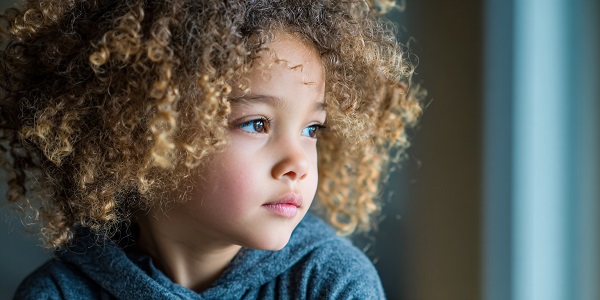
The typical cold, tummy bug or seasonal flu is all part and parcel of childhood. We expect these in young children, while their immune systems are developing. Generally, these acute illnesses pass without too much fuss. Your child will be well and happy within a few days. Unfortunately, about 20% of children worldwide suffer from what we call chronic illnesses. These are illnesses which need long-term medical treatment to keep the child healthy and to ensure the child’s quality of life is maintained. Such illnesses impact these children on a physical level but also emotionally and socially.
Why is this?
When my daughter was in grade one, her class was going on an outing to the fire station. Each child was asked to bring a “Bar One” chocolate for the fireman. Fabulous advertising for the 25-hour day of firefighters, but it caused me and my daughter some trauma. I couldn’t find a Bar One in the hospital vending machine, so I bought a chocolate pretty similar. My daughter was devastated. She no longer wanted to go on the outing. In fact, she cried all the way to school. Her chocolate was different to all the other children. She wanted to be the same as her peers.
As her teacher explained, being like her classmates was part of her desire to fit in, to be accepted and to avoid feeling awkward. My extremely shy child was trying her best to blend in, which was all part of normal social development. The different chocolates certainly didn’t support this need.
I use this as a simple example to demonstrate the effect that being different has on a child. Imagine the child with a chronic illness like asthma. This child may not be able to participate in sports during a flare-up. The diabetic child has to have a strict diet and regular injections. The child with eczema may have a nasty rash or even areas that bleed. Other children may ask questions about the child’s differences out of curiosity, empathy or teasing. Not only are these sufferers coping with difficult physical challenges, but they may also suffer emotionally and socially as a result of being different.
Let’s take a look at some of the common chronic illnesses we are referring to and how they impact these children:
We can all imagine the effects that one of the “big” chronic illnesses, like heart disease or a kidney disorder, has on children. These are devastating for the sufferer and make normal life very different to that of a healthy child. There are some chronic illnesses that affect children deeply but may go under the radar since we don’t recognise the severity of their impact on a child’s overall well-being. These include:
- Allergies – Allergies to food, grass, bees, medicines, hay fever and so on are very common these days. These children may suffer from sneezing, runny eyes, rashes, diarrhoea, and in severe cases, even anaphylaxis. Allergy sufferers spend many days feeling unwell and tired, which impacts their concentration at school. These children may be affected physically since their sleep is often disrupted, nutrition may not be optimal, and their ability to participate in physical activities may be limited. Over and above this, children with allergies often have anxiety about getting ill or being exposed to an allergen. Unfortunately, children who have allergies often become the subject of bullying because they are different. This leads to social isolation and difficulty with friendships.
- Asthma – This is a respiratory condition that affects a child’s breathing. These children have episodes of wheezing, coughing and shortness of breath. It is usually triggered by allergies but may also be a result of infection, exercise or exposure to irritants like smoke. To manage asthma, these children require medication and lifestyle modifications. They often suffer anxiety, depression and social isolation. They are often fearful of everyday activities that may trigger an attack. A child who may not participate fully in sports or outdoor activities may develop poor self-esteem due to their limitations. Even if asthma is one of the most common chronic illnesses in children and treatment has dramatically improved their lifestyle, we need to be aware of the impacts on the child.
- ADHD (Attention-Deficit/Hyperactivity Disorder) – This disorder affects a child’s ability to concentrate, to control impulses, to complete tasks, manage time and to prioritise. Since these children don’t appear “sick”, the condition often leads to them being labelled as naughty, disruptive and undisciplined. Children with ADHD are often sidelined by their peers because of their behaviour. The condition makes it difficult to manage their emotions, and they often experience intense reactions to situations. This makes it hard on peers as well. School work and staying put in a chair are really tough for these children, and over the long term, these children develop poor self-esteem as a result of the complexity of the disorder. Feelings of inadequacy and depression often stem from poor self-esteem. Medication, educational support and behavioural therapy are really important to manage the effects of the disorder.
- Obesity – I mention this here as childhood obesity is one of the biggest challenges facing our children worldwide. Obesity is not just the cute little child who reminds us of the cherubs with angel wings and plump thighs. It is a serious health issue that leads to an increased risk of diabetes, heart disease and other chronic diseases. Obese children can’t play and run, and climb like other children. They find themselves isolated on the playground and are soft targets for bullies. All of these factors place the obese child at risk for increased mental disorders like anxiety and depression. The thing with obesity is that it can be managed. It isn’t easy to change bad eating habits and inactivity. If we acknowledge the effects of the associated chronic illnesses on these children, then the efforts of treating obesity far outweigh a life of disease.
There are other chronic illnesses, including diabetes, cystic fibrosis, epilepsy, arthritis, cancer and HIV, to name but a few. These illnesses mean that sufferers undergo years of medical intervention to manage their health challenges. I am not going to explain each one of these in depth, as the point of this blog is to make us all aware that these health challenges affect more than the child’s physical wellbeing. The emotional and social effects are just as significant. From the illnesses mentioned above, there is a common thread that runs through each one. While the diseases may be completely different, their effect on the child’s self-worth and sense of belonging remains constant.
CHECK OUT: Printable Baby Illness Logbook for Doctor Visits Made Simple

Conclusion
One of the major reasons for wanting to be a paediatrician before anything else was due to my utmost respect for children and their tenacity. Despite being very ill and subjected to ongoing medical interventions, they bounce back, smile, race around the ward pulling a drip stand behind them and give the adults in their worlds a reason to get up each day.
Having said this, we can’t ignore the fact that these children may have been traumatised by the medical treatments and the social effects of being different.
A case in point is a cystic fibrosis sufferer. Currently, a person with cystic fibrosis has a life expectancy of 30 years. This used to be 5 years. Yes, these ill children are growing up and making it into the adult world. We are so grateful to modern medicine for making it so. The survival of these individuals has also brought with it a better understanding of how these illnesses may affect children as they progress through teenage years and into adult life. It gives us great opportunities to support these children as they navigate life’s choices. An individual with a severe chronic illness may have less independence or have to choose a career that is less physically demanding. These limitations may have consequences on the individual, not only in childhood but for many years to come.
If you have a child with any kind of ongoing medical issue, then it is important that you put measures in place to support your child as they pass through each phase of growing up. Make it your goal to enlighten those around you. The school can help with the education of peers to ensure that the community is supportive, and you can seek the guidance of professionals trained in the psychosocial needs of children with chronic illnesses. This way we can support these brave individuals on all levels – physically, emotionally and socially.




References
- https://linkprimarycare.com/common-pediatric-chronic-illnesses/
- https://pmc.ncbi.nlm.nih.gov/articles/PMC2169505/
- https://stateofchildhealth.rcpch.ac.uk/evidence/long-term-conditions/
- https://www.gosh.nhs.uk/press-releases/two-thirds-children-who-die-have-chronic-condition-finds-new-study
- https://www.msdmanuals.com/professional/pediatrics/caring-for-sick-children-and-their-families/children-and-youth-with-special-health-care-needs
- https://pm.amegroups.org/article/view/6142/html
