







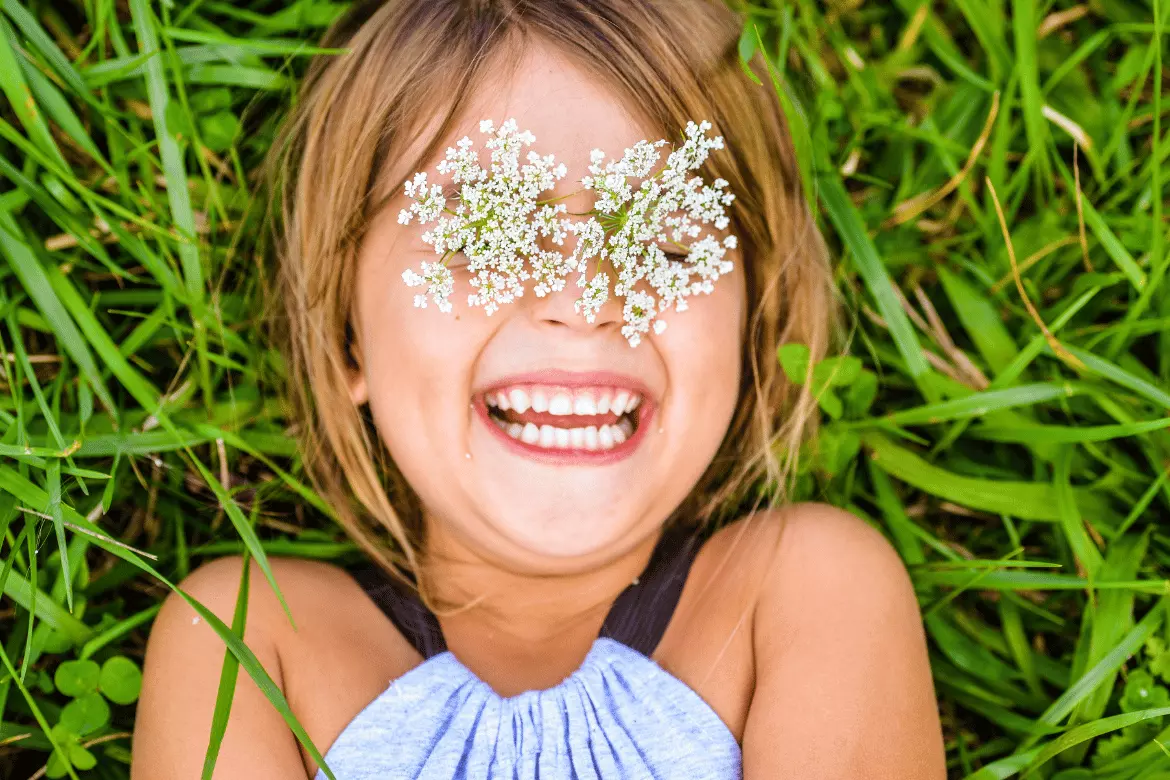
Yes, being kind to nature can be as simple as being mindful of the products that you buy and showing your children how to appreciate the natural world around them.
Replacing existing habits with healthier ones requires time and patience, so here are a few simple family activities to get you started during the holidays. And if going green seems like a daunting task, you’ll be happy to know that these activities are kind on nature and kind on parents.
- De-clutter and donate: The winter holidays are the perfect time to de-clutter and reorganise clothing cupboards, so why not involve the whole family? Create a pile of unwanted clothing items you can donate to some local charities. Certain clothing items can take hundreds of years to biodegrade, and by donating them, you are teaching your children how to give back to the planet and to those who are less fortunate.
- Upcycle and get crafting: During the winter months, children spend more time indoors. Crafting with upcycled items is a fun and creative activity that teaches your children about sustainability. If you are not already in the habit of recycling, simply add additional bins to your refuse area and label them accordingly.
- Here are three easy upcycle crafting ideas:
- Egg containers. Empty egg containers can be used as disposable painting pallets in water-restricted areas. By using them as pallets, you are saving water and giving them an additional purpose before they go in the recycling bin.
- Toilet and paper towel rolls. Toilet rolls are great items to use for making home-made rain sticks. Simply cover the bottom, insert some dry rice, cover the top and paint fun patterns on it.
- Bottle-tops. These can be used as fantasy food items and/or in craft projects. Why not use them to make a necklace or combine them with a toilet roll to make a motorcar?
- Here are three easy upcycle crafting ideas:
- Grow a herb garden: Growing a small herb garden will give your child a sense of ownership and responsibility, while teaching them about gardening, food production and the natural resources that it requires. Herbs are often packaged in plastic containers and growing your own herb garden will save you money while saving the planet.
5. Eat more greens: One way to be kind to the earth is to get your kids to eat healthier foods. Here is a great article to get you started!
6. Collect shells and plastic: If you are spending some time near a beach this holiday, a simple beach stroll can be a great opportunity to have fun as a family while collecting plastic and shells.
7. Visit educational centres: If you want to get out of the house this holiday, try visiting some local environmental centres or parks. For example, plan a family trip to the Two Oceans Aquarium, Monkey World or Reptile Park. These centres often have interactive exhibitions on display, providing a fun opportunity for children to learn about the environment.
8. Plant a tree: Tree planting will never go out of fashion and is a great way to teach your children how to leave a ‘greener’ legacy for future generations.
9. Empower and encourage: When it comes to discussing climate change with your children, it’s best to introduce the topic in a way that is positive, solution-driven and age-appropriate. Children need to feel empowered in the area of environmental protection and it is important that they believe that their efforts can make a difference.
One small step – one giant leap!
 The simplest way to introduce new habits is to start small and it’s best to avoid those lofty ideals of transforming your home into an eco-friendly oasis overnight. If every family were to make a few ‘greener’ lifestyle changes, we would be one step closer to helping our planet.
The original version of this article can be found on the Munchkins website.
FAQs: Fun Ways to Inspire Growing Little Gardeners
Why is gardening good for children?
Gardening helps children connect with nature, build patience and develop responsibility. It also supports fine motor skills, problem-solving and an understanding of where food comes from.
At what age can children start gardening?
Children can start as toddlers with simple tasks such as watering plants or digging in soil. As they grow, they can take on more responsibility like planting seeds and caring for small garden beds.



What are easy plants for beginner gardeners?
Fast-growing plants such as sunflowers, beans, cherry tomatoes and herbs are ideal. They grow quickly, which keeps children engaged and motivated.
How can I make gardening more fun for kids?
Turn gardening into a game. Create themed planting days, decorate pots, build a fairy garden or track plant growth with a colourful chart. Hands-on creativity keeps children interested.
How does gardening support learning?
Gardening naturally introduces science concepts like life cycles, weather and soil health. It also strengthens maths skills through measuring, counting and tracking growth.
What if I do not have a big garden?
You do not need much space. Window boxes, balcony pots or small containers can work just as well. Even growing herbs indoors can spark curiosity and responsibility.
How can gardening teach responsibility?
When children care for their own plant, they learn that living things need regular attention. Watching a plant thrive because of their effort builds confidence and accountability.
Can gardening help with healthy eating habits?
Yes. Children are often more willing to try fruits and vegetables they have grown themselves. Harvesting and tasting their own produce makes healthy eating exciting.
How do I keep children interested long term?
Let them choose what to grow and involve them in decisions. Celebrate milestones such as the first sprout or first harvest to keep enthusiasm high.
What if my child loses interest quickly?
Keep tasks short and age-appropriate. Focus on the fun rather than perfection. Even small gardening activities can plant seeds of curiosity for the future.



Is gardening safe for young children?
Gardening is generally safe with supervision. Use child-friendly tools, teach safe handling and ensure children wash their hands after working with soil.
How can schools or communities support young gardeners?
Schools and community groups can create shared garden spaces, run planting workshops and encourage outdoor learning. These experiences build teamwork and environmental awareness.
Medical Disclaimer: This information is provided for general educational purposes only and is not a substitute for professional medical advice. If your child has allergies, skin sensitivities or health conditions that may be affected by outdoor activities, consult a qualified healthcare provider for personalised guidance.
