






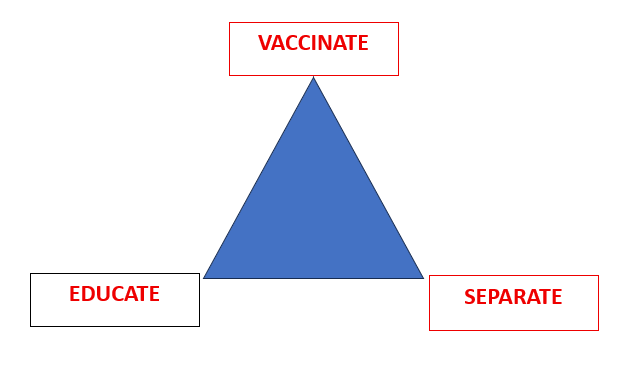
Vaccinate: South Africa has a wonderful vaccination program. Our children are protected against a huge number of illnesses as a result of these efforts. There are additional vaccinations which parents can opt for. The flu vaccine is one such vaccine. Each year, the likely strains are included in the vaccine. A child can receive this vaccine annually from six months of age. Over time, your child will be protected against a number of strains, reducing the number of times he or she gets ill.
Educate– You can educate a very young child to protect themselves against illnesses. Teach them to:
- Wash hands- Soap and water are very effective in getting rid of bugs. Wash hands before each meal, after going to the toilet and after spending time outdoors. Twenty seconds is a good rule.
- Keep their fingers out of their mouths, nose and eyes. They may have touched a surface or held another child’s hand and their fingers will transfer the bugs directly into their system. Nails also have bugs under them, so biting nails is a sure way to get bugs into their mouths. You can also help with this by keeping fingernails short.
- Avoid sharing- We generally teach children that “sharing is caring”, but make sure they know that this only refers to toys. They must not share bottles, cutlery or food, as these may transfer bugs from one child to another.
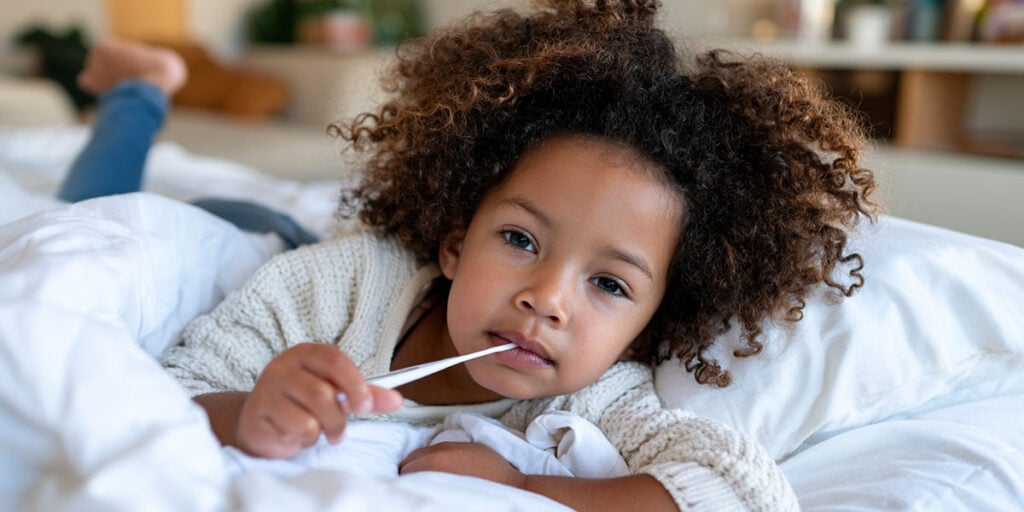
Separate– I am a strong advocate for keeping ill children at home. I know that this can be difficult for working parents, but the knock-on effects for others can be catastrophic. 0In a pre-school environment, mothers are often expecting a second or third child. Repeated illnesses are not good for her health. The infections carried by children can also be extremely dangerous for vulnerable grandparents.
Keep your ill child at home if they have a fever (anything above 37.5°C), a continuous cough, rash, diarrhoea or vomiting. Since children have the little toilets lined up close together, gastroenteritis can be spread very easily.
Discuss the school’s illness protocol before deciding on where your child will be going to school. It is really important that the school has protocols and enforces these rules.
I would recommend that children only return to school once they have been fever-free for 24 hours without the help of medication.
There are a few other tips for keeping your child healthy:
- Saline in the nose- You can purchase a variety of saline sprays or drops. These are safe to use from birth as they are drug-free and won’t cause the nose to block after prolonged use. Studies have shown that saline keeps the little hairs in the nose (cilia) moist and healthy so that they can sweep bugs out of the nose. Saline flushes away pathogens (viruses and bacteria) and this may help prevent the bugs from taking root. If your child already has thick mucus, then flushing with saline can help to thin the mucus out, making it more difficult for bugs to settle in the nose. Saline moisturises the nasal passages and helps prevent dryness and irritation, making it less likely for your little one to want to rub or pick.
- Healthy diet- We do stress the value of healthy food choices for children because they support gut health and boost immunity. These are two critical factors for keeping a child healthy. Focus on whole foods. Be sure to incorporate fibre-rich fruits, leafy greens, dairy (like yoghurt for gut-healthy probiotics), and omega-3s. Vitamin supplements are not necessary if your child is eating well.
- Get children outdoors- when children are cooped up together, illnesses spread more easily, so get them outside. Physical activity like running, climbing and jumping improves the body’s production of natural killer cells and T cells. If we allow children to do what they love, it will also strengthen immunity. Vitamin D from sunlight plays a direct role in regulating immunity and fighting off infections. We live in a country where sunshine is abundant, so take advantage of this natural weapon against colds. And then there is the benefit of playing on the grass, in the sand and with mud. A child who is allowed to get dirty is exposed to many different microbes and this teaches the immune system to know the difference between good and bad bugs. It’s bootcamp training for immunity.
Conclusion
Illness is part and parcel of the parenting journey. It is tiring and feels like an endless cycle. Putting in place practices that build immunity and protect your child from unnecessary infection is essential if we want to avoid “creche syndrome”. Here, a child gets locked into a cycle of illnesses like colds and other respiratory infections. This does have an impact on the family. Sleepless nights, endless doctor’s visits, time off work and illness spreading to other members of the family take their toll. Be wary if your child appears to get sick way more often than other children or if he or she struggles to get over the common cold and instead ends up with secondary infections like tonsillitis, ear infections or gastroenteritis. Some children do have immune issues which need to be identified and dealt with. Ultimately, we want a happy, healthy pre-school child.

References
https://pediatricsauthority.com/frequent-illness-when-concerning
https://www.webmd.com/allergies/saline-spray
https://www.medicalnewstoday.com/articles/cold-prevention-nose-spray
https://www.cdc.gov/early-care/prevention/protecting-against-infections.html
https://www.communitychoicepeds.com/exploring-nature-the-benefits-of-outdoor-play-for-kids/