







Our modern society and the advances in medicine ensure that children have a much better chance of survival when faced with a dreaded disease or an aggressive infection. On the flipside, however, there has been a dramatic increase in the number of children developing asthma, eczema, Crohn’s disease, leukaemia, autoimmune diseases and food allergies.
We live in a world where most children live in cities, are exposed to pollution and eat processed or genetically modified food. These factors all play a role in the long-term health of your child and are certainly contributors to the list of modern diseases that plague our youth.
That said, there are certainly things that parents and caregivers can do to slow the tide and conquer the odds of this phenomenon.
A lot of people have probably heard of the “hygiene hypothesis”, but for those who are not familiar with it, let me give a brief description.
What is the hygiene hypothesis?
Our immune system begins to work the moment we are born. Its function is to recognise germs that are harmful to us and that lead to disease. In order for the immune system to develop such a skill, it needs to be exposed to a variety of antigens living in our environment.
The hygiene hypothesis, therefore, suggests that avoiding environments which challenge the immune system from an early age actually contributes to immune illnesses such as asthma.
If a child is not exposed to antigens, their immune system will not know how to react when it comes into contact with germs (bacteria, viruses, parasites or fungi) or environmental particles (pollen, grass, mould, animal hair or animal saliva).
A child raised in a highly sanitised home, where all kinds of antibacterial cleaning products have been used, may have an extreme response to healthy antigens simply because their immune system doesn’t know how to respond appropriately.
The hygiene hypothesis, therefore, suggests that avoiding environments which challenge the immune system from an early age actually contributes to immune illnesses such as asthma. The same goes for food allergies.
In the past, it was suggested that parents avoid giving babies certain foods for fear of allergic reactions. Recent studies have shown that by avoiding certain foods, we are actually making the food allergy situation worse.
ALSO READ: Good Handwashing Habits Are Essential to Your Hygiene

What can parents do to encourage a strong immune system and a healthier child?
- Breastfeeding is the first step a parent can take to prime their child’s immunity. Good microbes are passed from mom to baby through the milk and through skin-to-skin contact.
- It is not necessary to over-sterilise. Between 17 and 26 weeks, a baby begins eating solids and often puts objects into their mouth. At this stage, it is acceptable to rinse a fallen dummy in some clean water rather than leaving it to soak for hours in a sterilising solution.
- Washing hands with soap and water remains essential for good health. The overuse of hand sanitiser is unnecessary. Antibacterial products also affect good bacteria that are needed for a healthy immune system.
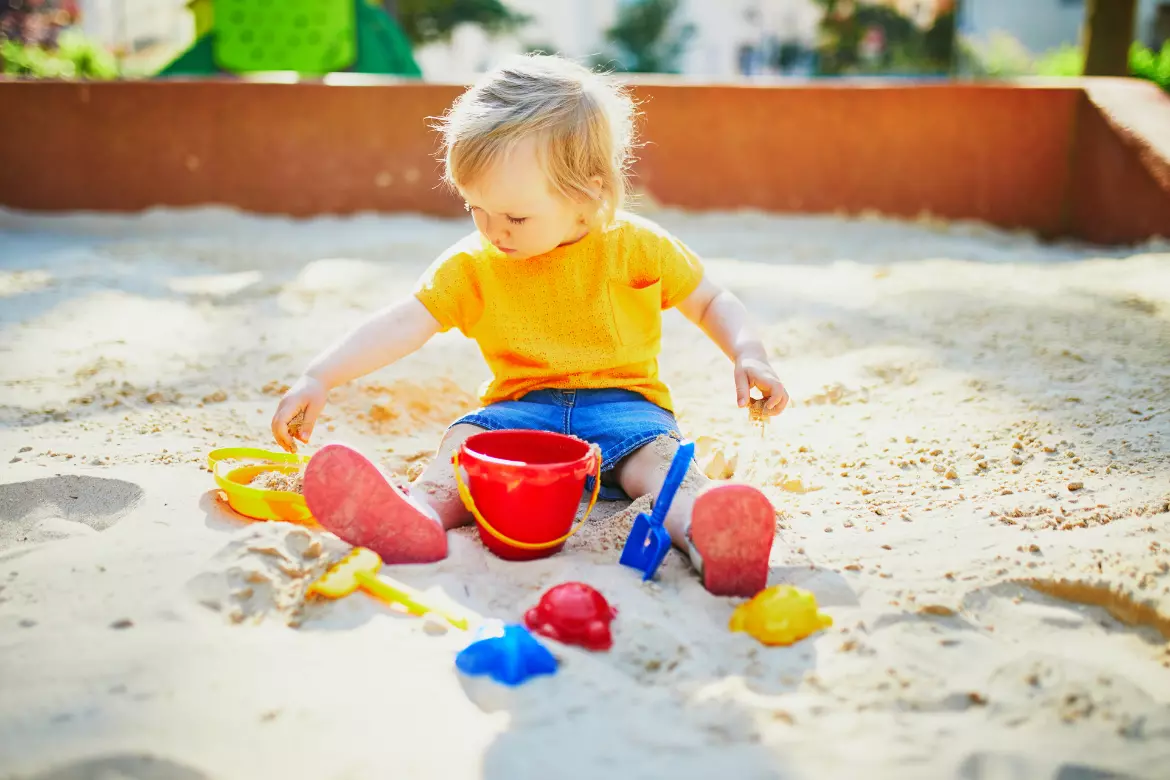
- Allow your child to play outside. Getting dirty is such fun and is certainly a vital part of learning and experiencing the world. Over and above this, the organisms found in good soil and vegetation expose your child to healthy microbes and stimulate the immune system. Besides immunity, outdoor play increases a child’s fitness levels and is a wonderful way for your child to receive vitamin D, which is vital for healthy bones and general wellness.
 Having pets and allowing your child to interact with the furry family member will also introduce a variety of microbes. Ensuring your pet is dewormed and parasite-free is, of course, essential, but pets introduce additional stimuli for the immune system.
 Having
 Even better is to take weekend breaks to working farms where your child can experience farm life first-hand and be exposed to some healthy microbes. There is a very interesting study that looked at asthma in Amish children. These children live very traditional lives, interacting with farm animals and playing outdoors. Of the 30 children studied, not a single child had asthma.
- Ensure that your child experiences a wide variety of foods. Babies begin eating solid food around the age of 17 weeks. Colour, texture and all the food groups will ensure that your child receives all the nutrients required for a healthy immunity and prevents food allergies.
 Ensure that your child experiences a wide variety of foods. Babies begin eating solid food around the age of 17 weeks. Colour, texture and all the food groups will ensure that your child receives all the nutrients required for a healthy immunity and prevents food allergies.
Exercise caution if there is a known allergy to certain foods in the family. There are guidelines to follow for the introduction of foods that commonly cause allergies, but foods should not be avoided unless indicated.
CHECK OUT: The Truth About Food Allergies in Kids
There is an ever-increasing number of children on treatment for asthma, ADHD, diabetes, depression and a host of other illnesses. We live in a very fast-paced world and children are often spending less than 30 minutes a day playing freely in the outdoors. Indoor time in front of some form of electronic device is often as high as six hours a day and it has consequences for our children’s health.
While no medical person would suggest living in a dirty environment or not taking necessary precautions to guard against sources of infection, it is safe to say that if we want to stimulate immunity and reduce the incidence of chronic diseases, then we, as parents, can take steps to do so.
A happy medium which allows children to play, explore and experience the world around may be the key to happier, healthier children. So, kick off your shoes and take your child outside.