

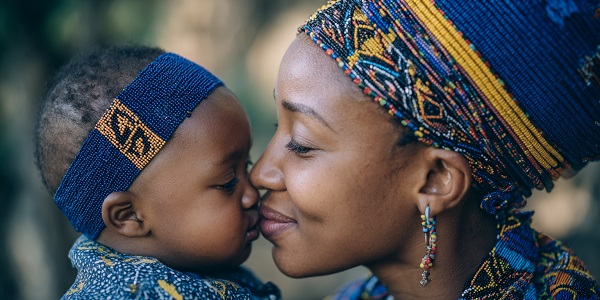
In Zulu culture, a baby’s name is far more than a label; it is a gift that carries ancestral wisdom, generational hopes and a deep connection to family and tradition. For South Africa’s largest ethnic group, names are living stories: they reflect family history, mark the circumstances of a birth and embody virtues like love, strength, or gratitude. A name isn’t just chosen, it’s felt, remembered and passed down as part of a child’s identity and destiny. It’s a way of saying, “You belong,” not only to a family, but to a lineage, a community, and a spiritual legacy. Names are how the past speaks into the present and how the present shapes the future.
This meaning comes alive in the names themselves. A child born during rainy weather or a rainy season might be called Nomvula, which means “mother of rain,” honouring nature’s life-giving force and the African belief that rain is a blessing. A long-awaited baby girl may be named Silindile, meaning “we have waited,” which could signify patience for parents who have been trying for a girl child. Names can also record historical events, family triumphs, or community challenges, making each one a thread in the larger tapestry of Zulu heritage. Naming is both an art and a responsibility, often guided by elders who understand the weight and rhythm of tradition. It’s a moment of storytelling, of reflection, and of hope. In every name, there is a message: a prayer, a memory, a dream for what the child might become.
Beyond their immediate meaning, Zulu names are woven into the fabric of identity. They influence how a person is perceived in society, how they are addressed in praise poetry (izibongo), and how they carry forward family legacies. In modern South Africa, parents continue to embrace this tradition, blending classic names with contemporary choices that honour cultural heritage while reflecting modern life.
During Heritage Month, celebrating Zulu baby names is a way for families to connect deeply with ancestry and culture. Giving a baby a meaningful name is not only a gift for the child but also a celebration of South Africa’s vibrant heritage, language, and traditions. Understanding Zulu names is more than memorising meanings; it’s appreciating the stories, values and pride embedded in each one.
Traditional Zulu Baby Names
Boys:
- Sipho – Gift; a long-awaited blessing.
- Sibusiso – Blessing; parents’ gratitude embodied in a name.
- Bongani – Be thankful; encouraging appreciation and humility.
- Themba – Hope or trust; a name that inspires faith in the child’s future.
- Jabulani – Rejoice; celebrating joy at the baby’s arrival.
- Mduduzi – Comforter; reflecting a nurturing nature.
- Nkosi – King or chief; symbolising strength and leadership.
- Lungelo – Right or privilege; celebrating justice or inheritance.
- Sandile – We have extended in number; signifies completion or fulfilment.
- Sifiso – Wish or desire; representing parents’ hopes for the child.
- Senzo – Deed or action; celebrating purpose and achievement.
- Njabulo – Happiness; reflecting joy for the child’s presence.
- Siyabonga – We are grateful; appreciation from the ancestors and or God for new life
Girls:
- Nandi – Sweet or pleasant; charm and grace for the little one.
- Thandeka – Beloved; a name full of affection.
- Nomvula – Mother of rain or She who brings blessings; celebrating renewal and life.
- Hlengiwe – Redeemed; a name of spiritual significance.
- Zanele – They are enough; representing abundance and fulfilment.
- Nokuthula – Mother of peace or She who brings peace; calmness and serenity in one name.
- Nozipho – Mother of gifts; symbolising blessing and gratitude.
- Luthando – Love; warmth and affection in a single word.
- Gugulethu – Our treasure; reflecting family honour and joy.
- Nomcebo – Mother of wealth; hopes and desire for riches and good fortune.
- Zinhle – They are beautiful; usually short for Ntombizinhle, which means “our girls are beautiful”.
- Thandiwe – Beloved or She is loved; declaration of affection or adoration
Something to note, in the Zulu language, names that begin with “No” are exclusively given to girls. Some of these names also have male equivalents that carry the same meaning or sentiment. For example, a girl named Nombuso (“she who rules” or “the ruler”) has a male counterpart in Mbuso. Similarly, Nonhlanhla (“mother of luck”) has a male equivalent in Nhlanhla, which still conveys the desire for luck and good fortune.
Unisex:
- Sphesihle – Beautiful gift; given to celebrate a child as a precious arrival, especially after a long wait, hardship, or answered prayer.
- Snethemba – We have hope; a communal expression of optimism.
- Ayanda – They are increasing; symbolises growth, abundance and expansion, whether in family, blessings, or personal development.
- Siphiwe – We are given; reflects gratitude and divine blessing, often chosen to celebrate a child as a precious gift from God or the ancestors.
- Andile – They have increased; often given to celebrate growth, abundance and new beginnings.
For some, these names are timeless, carrying deep cultural significance and connecting babies to their heritage from the first moment.
Modern Zulu Baby Names
Boys:
- Melokuhle – Stand for what is good, or right; a name of integrity.
- Onke – All of them; suggesting inclusivity and togetherness.
- Mqoqiwokuhle – Collector of all that is good; it suggests someone who attracts beauty, goodness and blessings into their life.
- Msebe – Ray of sunshine/ Sunray; the full name is “Msebeyelanga,” often symbolising someone who brings hope, clarity, or brilliance into the world.
- Lubanzi – A deep or vast love; from the sentence or statement “Uthando lukababa lubanzi,” often chosen to honour God’s love, ancestral blessings, or the profound emotional bond within a family.
- Nsikayesizwe – Pillar of the nation; sometimes also just “Nsika”.
- Sihlangu – Shield; symbolises defence, resilience and guardianship.
- Mqhele – Crown; evokes imagery of leadership, dignity and honour.
- Sisekelo – Foundation or support; represents reliability and the strength to uphold others.
Girls:
- Nkanyezi – Star; guiding light and hope.
- Uminathi – He is with us; reflects divine presence and protection.
- Nalenhle/Nala – Bountiful harvest or beautiful outcome; symbolises abundance, grace and reward after effort, like reaping something meaningful and good.
- Nkazimulo – Glory; reference to divine radiance or the shining presence of God
- Olwemihla – Daily love; short for uthando lwemihla, the name is a spiritual name to reflect on God’s love.
- Thingo – Rainbow; the full name is “Thingolwenkosazana,” which represents hope after hardship, much like the calm after a storm.
- Lisakhanya – It is still shining; hope and light for the child’s life and future.
Unisex:
- Enzokuhle – Do what is good; hope that the child will live a life of kindness, integrity and positive impact.
- Kwezi – Morning star; symbolising hope, brilliance, guidance and a bright future
- Langalethu – Our sun; represents shared light, hope and warmth.
- Singethwe – Supported or Anchored; reflects a sense of divine or ancestral shielding, suggesting that the bearer is surrounded by safety, grace, or spiritual favour.
- Culolethu/Hubolethu – Our song/hymn; reflects how a child brings harmony to a family or community.
- Hubo – Hymn; often includes a clan name, e.g if the child’s surname is Ngcobo, their parents may choose to name them Hubolamafuze, as Fuze is a Ngcobo clan name.
- Sithakaso – Joy; reflects that the bearer is celebrated and cherished.
- Anothe – May he/she be wealthy; hope and prophecy over the financial, spiritual and or mental aspects of a child’s life.
- Lumiphakade – Everlasting love; reflects divine constancy, suggesting a love or presence that endures beyond time.
- Qophelo – Of high standard and prestige; hope to reflect excellence, integrity and trustworthiness.
- Owenkosi – Belonging to God; reflects divine ownership, suggesting the bearer is cherished and protected by a higher power.
Deeper Royal Family Context
The Zulu royal family carries a lineage that spans centuries, and their names are steeped in meaning, symbolism, and history. Names within the royal household often reflect leadership qualities, divine blessing, or the destiny of the nation. They are more than identifiers; they are a statement of legacy and authority.
Zulu Kings
- Shaka kaSenzangakhona (c. 1787–1828) – Founder of the Zulu Kingdom; the real meaning behind the name “Shaka” is said to reflect his mother, Queen Nandi’s defiance and strength. When Queen Nandi announced her pregnancy, a tribal elder dismissed it as a beetle-induced illness, ishaka, in isiZulu. But fate proved otherwise, as she was indeed pregnant. She named her son Shaka, a pointed rebuke to Senzangakhona, his doubtful father. Although Shaka is the most widely recognised name, the late Zulu King’s original name was “Sigidi,” meaning “one thousand”.
- Senzangakhona kaJama (c. 1762–1816) – Father of Shaka; “Senzangakhona” means “we have done accordingly.” The name refers to the act of fulfilling what was expected, after King Shaka’s aunt, Princess Mkabayi, successfully courted Queen Mthaniya for her ageing father, King Jama, leading to the birth of Senzangakhona, who became King Jama’s successor.
- Mpande kaSenzangakhona (c. 1798–1872) – Half-brother of Shaka; Mpande’s reign marked consolidation and expansion. His name, which means “root, source or origin,” is often linked to the strength of a family or a people.
- King Goodwill Zwelithini kaBhekuzulu (1948–2021) – Ruled for over 50 years and became a cultural symbol for modern Zulu identity. “Zwelithini” means “what does the country or nation have to say?” signifying the sentiment of seeking input or considering the opinions of the broader community.
- King Misuzulu Sinqobile kaZwelithini (b. 1974) – Current king, “Misuzulu” means “support the Zulu nation,” representing the continuity of the people’s legacy. His second name, Sinqobile, means “we have conquered,” which is a unisex name.
- Cyprian Bhekuzulu Nyangayezizwe kaSolomon (c. 1924 –1968) – King Goodwill Zwelithini’s father and grandfather to King Misuzulu. “Bhekuzulu” means “look after the Zulu nation”.
Royal names often extend to princes and princesses, and each child’s name carries ancestral significance or a declaration of expectation for their future role. Names are also used in praise poetry (izibongo) and ceremonial life, ensuring that both the individual and their lineage are honoured publicly.
Through these names, the royal family maintains not just a lineage but a living connection to the past, honouring ancestors while shaping the future. The meaning embedded in each name reflects not only personal identity but also the weight of history, responsibility, and cultural pride.
Conclusion
Zulu baby names are living legacies, carrying meaning, history, and cultural pride. From traditional favourites like Njabulo, Nandi, and Siphesihle, to modern names like Lubanzi, Melokuhle, and Lisakhanya, each choice is a celebration of identity. Royal names and literary examples enrich these options, giving parents meaningful ways to honour heritage.



Giving your baby a Zulu name is more than a decision; it is a gift of identity, a blessing and a celebration of South Africa’s rich cultural tapestry.
ALSO TAKE A LOOK AT: Trending Now: The Top Baby Names in South Africa
