




The Five Love Languages and Neurodivergent Children
Dr. Gary Chapman describes five ways people express and receive love:
- Words of Affirmation – Kind words, encouragement, and praise.
- Acts of Service – Feeling loved when others help or support them.
- Receiving Gifts – Meaningful items or surprises.
- Quality Time – Focused, uninterrupted time together.
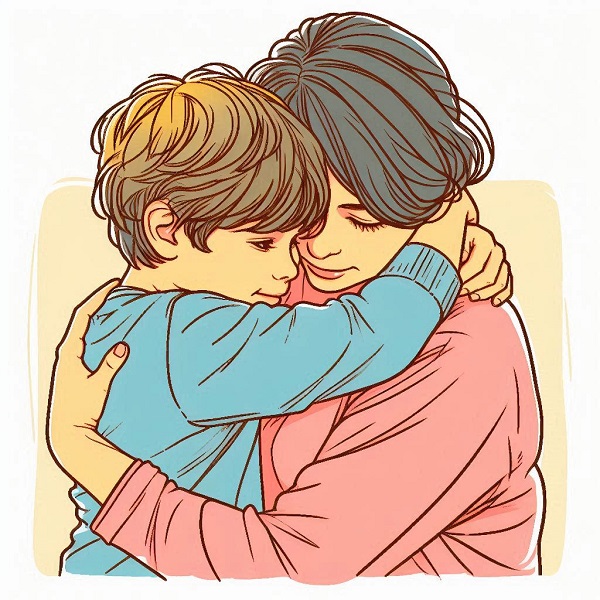
- Physical Touch – Hugs, cuddles, and physical closeness.
While these love languages apply to all children, neurodivergent children may interpret and respond to them in unique ways based on their sensory needs, emotional regulation abilities, and communication styles.
Identifying Your Child’s Love Language
Since some neurodivergent children may struggle to express emotions, observing their behaviour can help parents identify their love language.
- Notice their actions – Do they bring small gifts, seek hugs, or ask for help?
- Listen to their requests – Do they often seek reassurance, ask for one-on-one time, or enjoy receiving little surprises?
- Experiment with different expressions of love – Praise them for a week, spend extra quality time, offer small gifts, or provide comforting touch to see what resonates.
Understanding your child’s preferences is key. For example, a child with sensory sensitivities may not like physical touch but might love verbal reassurance. Another child might struggle with verbal communication but deeply appreciate small, meaningful gifts.
Using Love Languages for Emotional Connection and Cooperation
Once you’ve identified your child’s love language, you can use it to strengthen your connection, promote cooperation, and improve daily routines.
- Words of Affirmation
Some children feel most loved through words. If your child lights up when praised or frequently seeks verbal reassurance, this may be their love language.
- Use specific praise: “You worked so hard on that!”
- Offer written notes or positive affirmations.
- Provide encouragement during challenging moments: “I believe in you.”
For neurodivergent children: Some may struggle with direct praise due to rejection sensitivity or anxiety. Instead of statements like “You’re the best,” try neutral, effort-based praise: “I saw you trying hard today. That’s great.”
- Acts of Service
Some children feel loved when they receive support, whether it’s help with a task or small, thoughtful actions that make life easier.
- Offer gentle assistance when they feel overwhelmed.
- Create predictable routines to provide comfort and stability.
- Help with executive function struggles, such as organising their school bag or workspace.
For neurodivergent children: Be mindful of autonomy—help when needed, but avoid taking over tasks. Instead, guide them and let them feel in control of their choices.
- Receiving Gifts
Children who love receiving gifts may appreciate small tokens that show they are valued. Gifts don’t have to be expensive to be meaningful.
- Offer small sensory-friendly rewards like stickers or fidget toys.
- Give visual tokens of love, such as a bracelet, a note, or a drawing.
- Use a simple reward system to reinforce positive behaviours.
For neurodivergent children: Consider their unique interests. Some children develop deep fascinations with certain topics—offering a book, toy, or item related to their interest can be an excellent way to connect with them.
- Quality Time
For children who crave one-on-one time, giving them your undivided attention can help them feel secure and connected.





- Dedicate undistracted time to an activity they enjoy.
- Use parallel play or quiet time for children who prefer lower social demands.
- Provide extra time together before transitions to reduce anxiety.
For neurodivergent children: Be flexible in what “quality time” looks like. Some children may prefer doing a puzzle side-by-side without talking, while others enjoy storytelling or engaging in interactive play.
- Physical Touch
For children who feel most connected through physical closeness, physical reassurance can be deeply meaningful.
- Offer hugs, high-fives, or deep-pressure squeezes for comfort.
- Adapt to sensory needs—some children prefer firm touch over light touch.
- If physical contact is overwhelming, try alternatives like weighted blankets.
For neurodivergent children: Some children may dislike touch due to sensory sensitivities. Instead of hugs, try fist bumps, firm hand squeezes, or even a sensory tool like a weighted toy to provide comfort.
Using Love Languages to Improve Behaviour and Compliance
Love languages can also be used to encourage cooperation and positive behaviour.
- If your child values Words of Affirmation, praise them when they follow through on a request.
- If they prefer Acts of Service, help them with difficult tasks to make transitions easier.
- For a child who appreciates Quality Time, give them dedicated attention before asking them to complete a chore.
- For those who love Receiving Gifts, use small incentives to reinforce positive behaviours.
- If Physical Touch is important, a reassuring hand on the shoulder can help them feel supported during transitions.
Final Thoughts: A Parenting Tool for Connection
Understanding your child’s love language can:
- Build emotional security.
- Improve cooperation and communication.
- Help with emotional regulation and self-esteem.
- Strengthen family relationships by ensuring your child feels understood and valued.
Every child is unique, so flexibility is key. By recognising and responding to their individual needs, parents can create a deeper, more meaningful connection that fosters both love and understanding.
References
Chapman, G. D. (1992). The five love languages: How to express heartfelt commitment to your mate. Northfield Publishing.
Verywell Mind. (2023, July 15). What are the 5 neurodivergent love languages? Retrieved from https://www.verywellmind.com/the-5-neurodivergent-love-languages-8682618
Parents. (2024, October 10). Here are your child’s five love languages. Retrieved from https://www.parents.com/5-love-languages-of-children-8729048
TAKE A LOOK AT: How Sensory Processing Affects Kids’ Behaviour Every Day
