







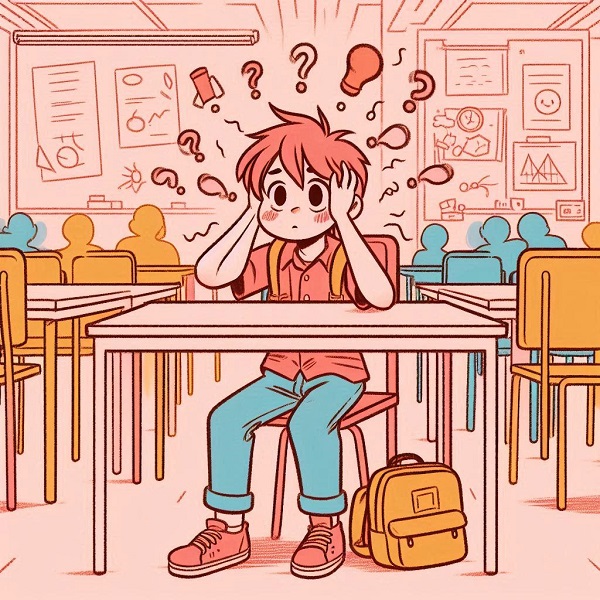

Two key policies that guide inclusive education are White Paper 6 and the SIAS Policy (Screening, Identification, Assessment, and Support). This article explains what these policies mean for your child and how they help ensure access to the support they need.
White Paper 6: A Framework for Inclusive Education
Published in 2001, White Paper 6 sets out the government’s approach to inclusive education. The aim is to integrate children with disabilities and learning barriers into mainstream schools wherever possible, rather than placing them in specialised schools by default.
Key Aspects of White Paper 6:
- Inclusion in Mainstream Schools
Schools are expected to accommodate children with learning differences wherever possible, with reasonable adjustments made to help them succeed in a general classroom setting. - Tailored Support Through Individualised Education Plans (IEPs)
Schools must provide individualised learning support plans, ensuring teaching strategies align with the unique needs of neurodivergent learners. - Levels of Support Differentiation
White Paper 6 outlines three levels of support based on individual needs:- Low-intensity support for minor accommodations.
- Moderate-intensity support requiring additional teaching support.
- High-intensity support where specialised interventions or schools may be needed.
- Teacher Training and Awareness
Educators are encouraged to develop the skills necessary to identify and assist students with learning barriers, ensuring neurodivergent children receive appropriate classroom support.
Parental Rights Under White Paper 6:
- Equal Access – Schools cannot deny admission based on disability or neurodivergence.
- Participation in Decision-Making – Parents have a right to be involved in developing their child’s education plan and requesting support where needed.
- Accommodations and Adjustments – Your child is entitled to necessary learning accommodations to support their success.
White Paper 6 provides the broad vision for inclusive education, but the SIAS Policy establishes the process for identifying and assisting learners with additional needs.
SIAS Policy: Ensuring Your Child Gets the Right Support
The Screening, Identification, Assessment, and Support (SIAS) Policy, introduced in 2014, provides a structured approach for schools to identify learners who require additional assistance and determine the best way to support them.
How the SIAS Process Works:
- Screening:
Teachers monitor and identify students who may be struggling with learning, behaviour, or developmental challenges. This step ensures that potential learning barriers are addressed as early as possible. - Identification:
If a child is consistently struggling, the teacher formally recognises the challenges and initiates further investigation. This stage helps identify neurodivergent traits such as autism, ADHD, or learning disabilities. - Assessment:
A multi-disciplinary team—including psychologists, occupational therapists, or speech therapists—assesses the child’s needs to determine what interventions will best support their learning journey. - Support Implementation:
Schools develop an Individualised Education Plan (IEP), which outlines strategies, accommodations, and resources that will help the child succeed. This may include exam accommodations, therapy referrals, or classroom adaptations.
How SIAS Empowers Parents:
- Active Involvement – Parents have a right to be involved in the assessment and decision-making process.
- Regular Monitoring – Schools must track progress and adjust support strategies as needed.
- Advocacy Rights – If support is inadequate, parents can request further assessments or plan modifications.
Together, White Paper 6 and the SIAS Policy ensure that schools take active steps to identify and support neurodivergent learners.
How These Policies Work Together
White Paper 6 sets the vision for inclusive education, while SIAS provides the framework for implementation. Schools must:
- Identify students with learning barriers.
- Conduct assessments and involve specialists where necessary.
- Develop structured support strategies to ensure each child’s educational needs are met.
These policies provide a legal basis for inclusive education, meaning schools must make reasonable adjustments to accommodate learners with additional needs.
Challenges in Implementation
Despite these policies, some schools struggle with full implementation due to resource constraints, lack of trained staff, or resistance to inclusive practices. However, knowing your child’s rights allows you to ensure their school is making the necessary provisions.




How to Advocate for Your Child
Educate Yourself – Understand your child’s rights under White Paper 6 and SIAS. This knowledge enables you to navigate school systems with confidence.
Engage with Educators – Attend IEP meetings, maintain open communication with teachers, and ensure follow-ups on your child’s progress.
Request Additional Support – If your child’s needs are not being met, advocate for adjustments by consulting specialists and involving the relevant education authorities if necessary.
By staying informed and actively participating in your child’s education, you can help ensure they receive the resources, support, and accommodations needed to succeed.
YOU MUST READ: What Is Neurodiversity? 7 Things Every Parent Should Know
Conclusion
Both White Paper 6 and the SIAS Policy are crucial in shaping an inclusive education system that caters to neurodivergent learners. While implementation challenges exist, understanding these policies equips parents with the tools to advocate for their child’s educational needs. By working collaboratively with schools and specialists, you can help create a supportive learning environment where your child can thrive.
Resources for Parents
- Inclusive Education South Africa – Information and support for navigating inclusive education policies. https://www.included.org.za
- Autism South Africa – Advocacy and resources for parents of autistic children. https://aut2know.co.za
- Department of Basic Education – Special Needs and Inclusive Education – Government resources and official policy documents. https://www.education.gov.za
References
- Department of Education. (2001). White Paper 6: Special Needs Education: Building an Inclusive Education and Training System. Pretoria: Government Printer.
- Inclusive Education South Africa. (n.d.). Understanding inclusive education. Retrieved from https://www.included.org.za
- Autism South Africa. (n.d.). Supporting children on the spectrum. Retrieved from https://aut2know.co.za
ALSO CHECK OUT: Homework Made Easy: Tips to Motivate Your Child