


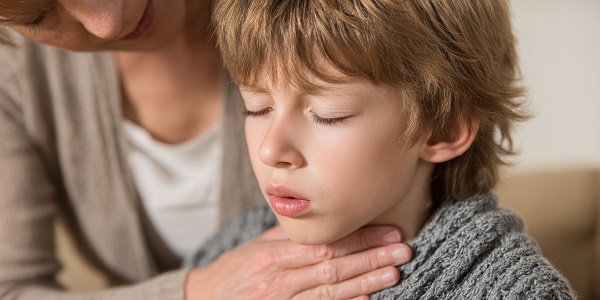
All it takes is one bite, one sting, one unknown trigger and your child could be in the midst of a frightening, fast-moving allergic emergency. As a parent in South Africa, would you know what to do?
From school tuck shops to weekend braais, allergens can lurk in everyday moments. When the unexpected strikes, staying calm and acting fast could save your child’s life. Here’s your step-by-step survival guide for handling anaphylaxis and severe allergic reactions.
Understanding Allergies in Children
What is an allergy?
An allergy is the immune system’s overreaction to something that’s normally harmless, like peanuts, dust, or pet dander. When your child’s body thinks a trigger is dangerous, it releases chemicals like histamine to fight it off. That reaction causes symptoms from mild (runny nose, itchy eyes) to extreme (swelling, difficulty breathing).
Common childhood allergens
Food, environmental and insect-related triggers
In South Africa, the most common culprits for severe allergic reactions include:
- Peanuts, eggs, and dairy
- Bee stings or wasp stings
- Dust mites, pollen and mould
- Shellfish and fish
- Sesame and soya
- Latex and certain antibiotics
Medication and latex allergies
Antibiotics like penicillin can cause severe reactions. Latex balloons and gloves also pose risks for sensitive children, especially in hospital or dental settings.
What is Anaphylaxis?
The difference between an allergic reaction and anaphylaxis
Anaphylaxis is not just a bad allergy. It’s a full-body, life-threatening emergency. While a normal allergic reaction might involve hives or sneezing, anaphylaxis quickly affects breathing, blood pressure and consciousness.
Why is it life-threatening?
If left untreated, anaphylaxis can cause shock, suffocation, or cardiac arrest in minutes. Without adrenaline, the airway may close or the heart may fail due to the rapid drop in blood pressure.
Warning Signs of Anaphylaxis in Kids
Skin symptoms – rash, swelling, hives
Red, itchy hives or facial swelling are often early signs. If lips or tongue swell, this could block the airway fast.
Breathing problems – wheezing, shortness of breath
Look for wheezing, a tight chest or a hoarse voice. Children may clutch their chest or gasp.
Digestive distress – vomiting, cramps
Nausea, stomach cramps or vomiting after eating something can be a red flag, especially when paired with other symptoms.
Neurological symptoms – confusion, fainting
Pale skin, dizziness, sudden collapse or confusion may indicate anaphylactic shock as blood pressure drops.





Immediate First Steps to Take
Stay calm – your reaction matters
Your child will look to you, so stay focused. Panicking wastes precious seconds.
Administer adrenaline (EpiPen or similar)
This is the first-line treatment. Use the auto-injector as soon as symptoms start – don’t wait.
Call emergency services immediately (Dial 112 in SA)
Even if the adrenaline works, they still need urgent care. Call 112 or 10177 immediately after injection.
Ally shares with us
When my son went into Anaphylactic Shock after taking antibiotics with no prior history of allergies, it was the most terrifying experience. His body and face went red, and then his lips and nails went blue as his airway closed up. We administered Prednisone and called emergency services straight away to assist us. Thankfully, they arrived quickly to give him adrenaline and oxygen, which saved his life.
How to Use an Adrenaline Auto-Injector
Step-by-step instructions
Where to inject
Mid-thigh is best, even through clothes.
How long to hold it in
Push firmly and hold for 3–5 seconds (check your device’s specific timing).
When to repeat the dose
If there’s no improvement after 5–10 minutes, give a second injector if available.
What to Do While Waiting for Help
Lie them down – unless they’re struggling to breathe
If they’re faint, lie flat with legs raised. If vomiting or breathing is difficult, sit slightly upright.
Loosen tight clothing
Remove anything that might restrict airflow or circulation.
Monitor breathing and pulse
If they collapse, be ready to start cardiopulmonary resuscitation (CPR) while waiting for the ambulance.
Reassure your child
Stay close and keep your voice calm and soothing. Panic can make symptoms worse.
After Emergency Care
Hospital monitoring and observation
Even if they seem okay after treatment, they need to be monitored in the hospital for at least 4–6 hours.
Second wave reactions (biphasic anaphylaxis)
Symptoms may return hours later, even without another exposure. That’s why observation is essential.
Getting a Diagnosis and Action Plan
Allergy testing and specialists
Your paediatrician may refer you to an allergist for skin tests or blood tests. Knowing the exact trigger is key.
Personalised anaphylaxis action plan
This includes your child’s triggers, symptoms, treatment steps and who to contact. Keep a printed copy in school bags and with caregivers.
SA medical aids and referrals
Some South African medical aids cover allergy testing, EpiPens and ongoing treatment, so check your benefits.

Prevention Is Power
Learn your child’s triggers
Keep a food and symptom diary. If in doubt, avoid it until tested.
Label reading and allergy-safe food
Get into the habit of checking every label, every time, even familiar products can change ingredients.
Managing allergies at school or daycare
Meet with teachers and staff. Provide an action plan and two EpiPens. Request that your child’s condition be clearly noted.
Informing caregivers, teachers, and friends
Anyone who looks after your child should know what signs to look for and how to use an injector.
Living With Severe Allergies in South Africa
EpiPen availability and cost
Adrenaline auto-injectors can be pricey in SA, and not all pharmacies stock them. Ask your GP (general practitioner) about prescriptions and keep one on hand.
School policy and allergy awareness
Public awareness is growing, but many schools don’t have standard allergy protocols. Be proactive.
Hidden allergens in local foods
Watch out for allergens in boerewors, chakalaka, or takeaway meals. Cross-contamination is a risk.
Emotional Impact on Kids and Parents
Fear and anxiety after an incident
A bad reaction can cause post-traumatic stress in both the child and parent. Watch for avoidance behaviours or nightmares.
How to talk to your child about their allergy
Use simple language. Avoid making them feel “different” and rather empower them with knowledge and skills.
Support groups and counselling in SA
Organisations like Allergy Foundation South Africa offer support, resources, and referrals to counselling.
Packing an Allergy Emergency Kit
What to include
- 2 x Adrenaline auto-injectors
- Antihistamine syrup or tablets
- Personalised action plan
- Emergency contact card
Keeping one in your handbag, schoolbag, or car
You should never be more than a few metres away from your child’s allergy kit.
Travel and Outings With an Allergic Child
What to do before going out to eat
Call ahead and ask about food prep and ingredients. Avoid buffet-style or shared kitchens.
Holiday packing checklist
Bring more than you need, like meds, snacks, and safe meal options. If flying, carry meds in hand luggage with a doctor’s note.
Talking to waitstaff and hotels
Be polite but firm. Use clear language and double-check everything even sauces or drinks.

When Your Child Is Not With You
Allergy bracelets and medical IDs
Wearable IDs are lifesavers when you’re not nearby. Some even have QR codes linking to digital action plans.
Empowering your child to speak up
Teach them to say: “I’m allergic to nuts. Please don’t give me anything with nuts.”
South African Resources for Parents
Allergy Foundation South Africa
Website: www.allergyfoundation.co.za
They provide up-to-date medical info, news, and allergy-friendly certifications for products and restaurants.
Support groups and emergency apps
Search Facebook for SA allergy parent groups or try apps like AllergyPal or MedSmart.
Where to get more help
Start with your GP or paediatrician, and ask about referrals to allergists and dietitians.
Conclusion
A severe allergic reaction is terrifying, but with the right knowledge and preparation, it doesn’t have to be fatal. As a parent, you’re your child’s first and most important line of defence. From understanding the symptoms to packing the right kit and empowering your child to speak up, every step matters. In the end, it’s not just about reacting fast; it’s about living with confidence.
FAQs
What if I don’t have an EpiPen during a reaction?
Call emergency services immediately. Give an antihistamine if available and lie your child down while waiting.
Can children outgrow allergies?
Yes, some food allergies (like eggs or milk) may fade over time. Others, like nuts or shellfish, are more likely to persist.
How do I store an EpiPen in hot weather?
Keep it at room temperature, away from sunlight or heat. Don’t refrigerate. Consider insulated pouches during SA summers.
Is it safe to give antihistamines before an EpiPen?
No. Antihistamines treat mild reactions. Always give adrenaline first if anaphylaxis is suspected.
Do schools in South Africa keep emergency medication?
Most don’t. Parents must supply EpiPens and action plans. Ask your school to create an allergy policy.
