






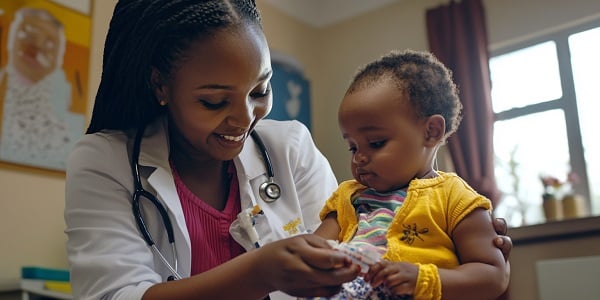
Navigating the 2025 South African childhood vaccination schedules can be challenging for parents aiming to ensure optimal health for their children. Understanding the distinctions between public and private immunisation programmes is crucial in making informed healthcare decisions. The public sector offers a comprehensive schedule covering essential vaccines free of charge, while the private sector provides additional immunisations not included in the public programme. Being aware of these differences empowers parents to choose the best path for their child's well-being.
*This article is for information sharing – parents and caregivers should always seek medical advice from medical professionals to ensure the correct steps are taken for your child and their wellbeing.*
Vaccinations are like secret superheroes working quietly behind the scenes. You don’t see their effects immediately, but they’re protecting your child every single day. Whether you’re popping down to your local government clinic or taking your little one to a paediatrician in private practice, the goal is the same – building strong immunity from the very start.
In South Africa, parents can choose between the public immunisation schedule or the more comprehensive private one. But how different are they really? And what should you expect in 2025 when it comes to protecting your child from preventable diseases?
Let’s unpack both sides and help you decide what’s best for your family.
What’s the big difference between public and private vaccinations?
Here’s the lowdown. South Africa’s public vaccination programme is called the Expanded Programme on Immunisation (EPI). It’s completely free and available at public clinics across the country. It covers all the essential vaccines to guard against life-threatening childhood diseases. Think polio, measles, TB, diphtheria, tetanus and more.
Private healthcare offers all those same vaccines, plus a few extras you won’t find at a government clinic. These include protection against chickenpox, hepatitis A, mumps and meningococcal disease. Most medical aids cover them, but if you’re paying out of pocket, the costs can add up.
So essentially, both schedules give your child a solid safety net – but the private route throws in a few extra cushions just in case.
Vaccines from Birth to 14 Weeks – The First Layer of Protection
Those early weeks are crucial. Babies are born with immature immune systems, so vaccines help fill in the gaps.
| Age | Public (EPI) | Private |
|---|---|---|
| Birth | BCG (TB), OPV 0. Hep B only if mum is Hep B positive | BCG, OPV 0. Optional Hep B for all newborns |
| 6 weeks | Hexavalent 1, PCV 1, Rotavirus 1, OPV 1 | Hexavalent 1 (e.g. Hexaxim), PCV13, Rotavirus 1 (Rotarix or RotaTeq), OPV 1 |
| 10 weeks | Hexavalent 2, Rotavirus 2 | Hexavalent 2, PCV 2, Rotavirus 2 (if using RotaTeq) |
| 14 weeks | Hexavalent 3, PCV 2 | Hexavalent 3, PCV 3, Rotavirus 3 (if using RotaTeq) |
In both systems, babies get multiple doses of combo vaccines that protect against diphtheria, tetanus, whooping cough, polio, hepatitis B and Haemophilus influenzae type B. You’ll also find pneumococcal and rotavirus vaccines.
The big difference? Private clinics usually use PCV13 instead of PCV10, which means three extra strains are covered. It’s a bit like upgrading from regular shampoo to one that does shampoo, conditioner and frizz control in one go. Also, the hexavalent vaccine in private care often has fewer side effects and fewer jabs overall.
Vaccines from 6 to 18 Months – Building Stronger Defences
Once your baby is halfway through their first year, the immune-building continues. Public and private schedules start to show some differences here.
| Age | Public (EPI) | Private |
|---|---|---|
| 6 months | Measles-Rubella (1st dose) | Flu vaccine (seasonal) |
| 9 months | PCV booster (final dose) | Meningococcal vaccine (MenACWY – dose 1) |
| 12 months | Measles-Rubella (2nd dose) | MMR (measles, mumps, rubella), Varicella, Hep A (dose 1), MenACWY (dose 2) |
| 18 months | Hexavalent booster | Hexavalent booster, Hep A (dose 2) |
The government schedule sticks to the essentials, like finishing the measles series and giving a booster for pneumococcus and the hexavalent vaccine. In private care, the menu gets a bit longer. You’re now looking at vaccines for chickenpox, mumps, hepatitis A and meningitis. There’s also an annual flu shot that many doctors recommend from six months onwards.
Think of public vaccination as the standard seatbelt – totally reliable. Private vaccination is the seatbelt, airbags and collision alert all rolled into one.
Preschool Boosters (5–6 Years) – Topping Up Before Big School
As your child gets ready to start school, it’s time for another immune system boost. You’d be surprised how much exposure happens once kids start mixing on the playground.
| Age | Public (EPI) | Private |
|---|---|---|
| 5–6 years | Tdap booster (tetanus, diphtheria, pertussis) | DTaP-IPV, MMR booster, Varicella booster |
Here’s where private care starts to widen the gap a bit. The public schedule boosts your child’s protection against tetanus, diphtheria and whooping cough. That’s important, no doubt. But the private route goes a step further, refreshing immunity against polio, mumps and chickenpox too. If your child only got the first varicella dose at 12 months, this is when they get the second.
In short, public gets the job done. Private adds an extra coat of polish.
Pre-Teen Vaccines (9–12 Years) – Long-Term Protection
Even though they’re growing up fast, older kids still need a helping hand when it comes to immunity.
| Age | Public (EPI) | Private |
|---|---|---|
| 9 years | HPV (girls only – Cervarix, single dose) | HPV (girls and boys – Gardasil or Gardasil 9, two doses) |
| 12 years | Tdap booster | Tdap or Tdap-IPV booster |
HPV vaccines are offered to girls through public school programmes. Boys? Not so much. In private care, both genders get vaccinated and you’ll usually get the Gardasil 9 version which protects against more strains of the virus. It’s a smart move for future health, especially with HPV being linked to various cancers.
Also, that Tdap booster at 12 years keeps immunity against tetanus, diphtheria and whooping cough going strong as your child heads into high school.
What Extra Vaccines Do You Get Privately?
Private vaccination covers everything in the public schedule, plus:
- Mumps (part of the MMR vaccine)
- Chickenpox (varicella)
- Hepatitis A
- Meningococcal disease (ACWY strain)
- Flu (recommended yearly from 6 months)
- Broader HPV coverage for both boys and girls
In many cases, combination vaccines used privately mean fewer jabs for the same level of protection. And let’s be honest, fewer jabs = happier kids.
Vaccines from Birth to 14 Weeks
| Age | Public (EPI) | Private |
|---|---|---|
| Birth | BCG (TB), OPV 0. Hep B only if mum is Hep B positive | BCG, OPV 0. Optional Hep B for all newborns |
| 6 weeks | Hexavalent 1, PCV 1, Rotavirus 1, OPV 1 | Hexavalent 1 (e.g. Hexaxim), PCV13, Rotavirus 1 (Rotarix or RotaTeq), OPV 1 |
| 10 weeks | Hexavalent 2, Rotavirus 2 | Hexavalent 2, PCV 2, Rotavirus 2 (if using RotaTeq) |
| 14 weeks | Hexavalent 3, PCV 2 | Hexavalent 3, PCV 3, Rotavirus 3 (if using RotaTeq) |
Vaccines from 6 to 18 Months
| Age | Public (EPI) | Private |
|---|---|---|
| 6 months | Measles-Rubella (1st dose) | Flu vaccine (seasonal) |
| 9 months | PCV booster (final dose) | Meningococcal vaccine (MenACWY – dose 1) |
| 12 months | Measles-Rubella (2nd dose) | MMR (measles, mumps, rubella), Varicella, Hep A (dose 1), MenACWY (dose 2) |
| 18 months | Hexavalent booster | Hexavalent booster, Hep A (dose 2) |
Preschool Boosters (5–6 Years)
| Age | Public (EPI) | Private |
|---|---|---|
| 5–6 years | Tdap booster (tetanus, diphtheria, pertussis) | DTaP-IPV, MMR booster, Varicella booster |
Pre-Teen Vaccines (9–12 Years)
| Age | Public (EPI) | Private |
|---|---|---|
| 9 years | HPV (girls only – Cervarix, single dose) | HPV (girls and boys – Gardasil or Gardasil 9, two doses) |
| 12 years | Tdap booster | Tdap or Tdap-IPV booster |
Should You Go Public, Private or a Mix?
If you’ve got access to public clinics and want to stick to the basics, you’ll still be giving your child excellent protection. The EPI is designed to fight off the most common and dangerous illnesses and it does the job well.
But if you’ve got medical aid or the budget for private care, adding those optional vaccines can be worth it. Diseases like chickenpox and hepatitis A might not be as common as measles, but they can still knock your child flat or cause complications.
Many South African families actually do a blend. They get the free essentials from the clinic and top up with private vaccines when they can. It’s like doing your weekly grocery shop at the supermarket, then grabbing a few gourmet treats from the deli.
Either way, the goal is the same – a healthy child with a strong immune system.
Vaccines don’t just protect your child – they protect everyone around them too. So whether you follow the public schedule, opt for private or do a bit of both, staying on track with vaccines is one of the best things you can do as a parent.
References
- South African National Department of Health – Expanded Programme on Immunisation (EPI) Schedule 2024/2025
- Amayeza Info Services. “Childhood Vaccine Schedule – South Africa 2025” – https://www.amayeza-info.co.za
- Health-e News. “SA adds rubella to measles vaccine for all children” – https://health-e.org.za
- Mediclinic Baby Programme. “Private Vaccination Options in South Africa” – https://www.mediclinic.co.za
- Discovery Health. “Vaccination Guidelines for Parents” – https://www.discovery.co.za
You may also like
Financial literacy is a problem in South Africa that isn’t given sufficient attention. Money management is a critical life skill required to achieve financial wellness …