






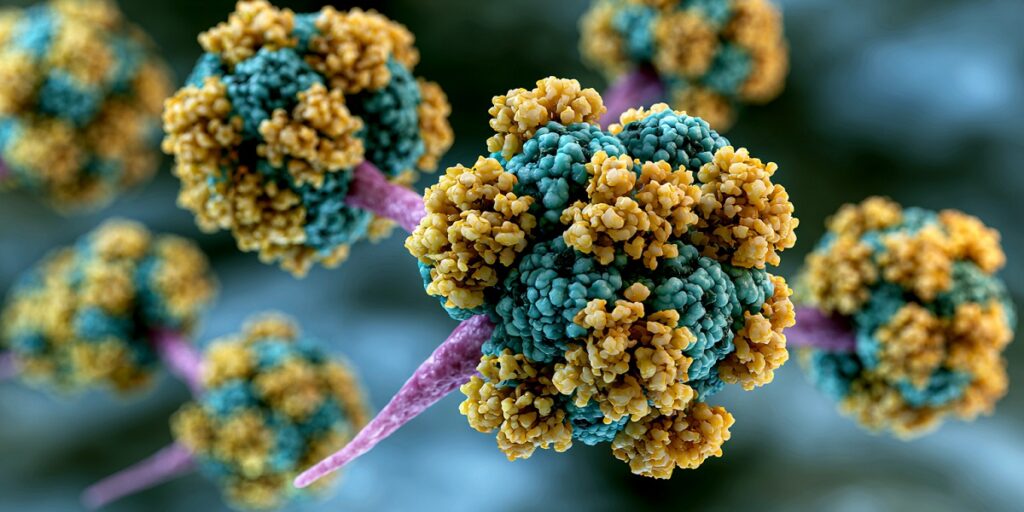
Every year, Cervical Cancer Awareness Month shines a spotlight on one of the most preventable forms of cancer affecting women. Despite advances in screening and vaccination, cervical cancer continues to impact thousands of women worldwide, often because it is detected too late.
The encouraging news is that cervical cancer is one of the few cancers that can often be prevented or treated successfully when found early. Understanding the risks, recognising the importance of regular screening and knowing how to protect yourself can make a life-changing difference.
Here are seven important facts every woman should know.
1. Cervical Cancer Is One of the Most Preventable Cancers
Unlike many other cancers, cervical cancer often develops slowly over several years. Before cancer forms, abnormal cells usually appear on the cervix, allowing healthcare providers to detect and treat these changes before they become cancerous. Regular cervical screening plays a vital role in identifying these early changes, often before any symptoms develop.
2. Human Papillomavirus (HPV) Causes Most Cases
Almost all cases of cervical cancer are linked to persistent infection with certain high-risk types of the human papillomavirus (HPV). HPV is extremely common and is spread through intimate skin-to-skin contact. Most HPV infections clear naturally without causing problems. However, when high-risk HPV remains in the body for many years, it can lead to changes in the cells of the cervix that may eventually develop into cancer.
3. Regular Screening Can Save Lives
Routine cervical screening is one of the most effective ways to prevent cervical cancer. Tests such as a Pap smear or HPV test can detect abnormal cells or high-risk HPV before cancer develops. Many women avoid screening because they feel healthy or are nervous about the procedure. However, cervical cancer often develops without noticeable symptoms in its early stages, making regular check-ups essential even when you feel perfectly well. Speak to your healthcare provider about when you should begin screening and how often it is recommended based on your age and medical history.
4. The HPV Vaccine Offers Powerful Protection
The HPV vaccine protects against the strains of HPV responsible for most cervical cancers. It is most effective when given before exposure to the virus, which is why it is commonly recommended for pre-teens and adolescents. However, vaccination does not replace regular cervical screening. Even vaccinated women should continue attending recommended screening appointments throughout adulthood.
5. Early Cervical Cancer Often Has No Symptoms
One of the biggest challenges with cervical cancer is that it may not cause symptoms during its earliest stages. As the disease progresses, symptoms may include:
- Unusual vaginal bleeding, especially after sex or between periods
- Bleeding after menopause
- Persistent pelvic pain
- Pain during sexual intercourse
- Unusual vaginal discharge
These symptoms do not always mean cancer is present, but they should never be ignored. Prompt medical advice is essential.
6. Early Detection Greatly Improves Treatment Outcomes
When cervical cancer is diagnosed early, treatment is often simpler and more successful. Depending on the stage of the disease, treatment may include surgery, radiotherapy, chemotherapy or a combination of these approaches. Early diagnosis can improve survival rates significantly and may allow for less extensive treatment than would be needed if the cancer is detected later.
7. Awareness Helps Save Lives
Talking openly about cervical health helps reduce stigma and encourages more women to attend regular screenings. Parents can also play an important role by learning about the HPV vaccine and discussing it with their children’s healthcare provider when appropriate. Education, awareness and access to preventive healthcare all contribute to reducing the number of women affected by cervical cancer.




Take Charge of Your Cervical Health
Cervical Cancer Awareness Month serves as an important reminder that prevention starts with knowledge and action. Keeping up with recommended screenings, understanding the role of HPV and seeking medical advice if something doesn’t feel right can all help protect your health. Whether you are booking your first cervical screening, encouraging a loved one to make an appointment or learning more about HPV vaccination, every step taken today could make a significant difference tomorrow.
ALSO READ: Why the HPV Vaccination Is a Must in Today’s World
Medical disclaimer: This article is for informational purposes only and should not replace professional medical advice, diagnosis or treatment. Always consult your healthcare provider about cervical screening, HPV vaccination or any symptoms that concern you.
