







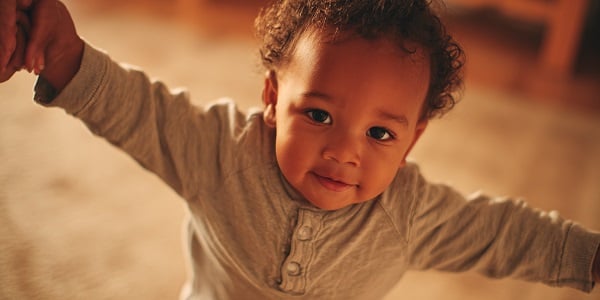
As part of a routine developmental check, I always take note of the position of a baby’s feet or the way a child walks. The walking pattern (gait) of a child is important when considering how the child is developing. Are there issues with the muscles or bones, or is there a neurological problem? Minor abnormalities, like in-toeing (pigeon-toed), out-toeing (duck walking) or walking on tiptoes, can lead to issues with knees and hips. Early intervention helps to prevent unnecessary pain; co-ordination difficulties and improves a child’s self-confidence.
Let’s take a look at these issues:
In-toeing (Pigeon- toed)
- This is a common finding in young children. In the first year of life, your baby’s feet may turn inwards at the midfoot. Between the ages of 1 and 3 years, parents may observe that their child appears to be bow-legged. This may be due to the shinbone turning inwards. From the age of 3 to 6 years, the in-toeing may be due to the thigh bone turning in. This comes from the hip and is usually genetic.
- 95% of cases correct themselves. If the problem still exists past the expected age of 6 years, is getting worse, or causing pain, then I prefer to refer the child for an assessment. Conservative treatments usually include things like orthotics as well as stretching and strengthening exercises for weak muscles. Surgery is unusual, unless it is affecting your child’s functioning.
Out-toeing (Duck walking)
- Toddlers commonly walk out-toed while they are gaining balance and becoming more stable. Most children outgrow this between the ages of 2 and 6 years. It is very cute to observe the wobble of a little one in the early days of walking, but as with anything, it should be assessed if your child is experiencing pain, is limping, is tripping often, if it affects one leg only or if it continues after the age of 3 years. A child with flat feet may also walk in this way.
- Intervention is often unnecessary, but if it is causing issues, then physiotherapy or shoe inserts may assist. If the problem persists at 10 years old, then intervention is recommended. With this unusual position of the feet, the knee joint can be put under stress, leading to other problems. It is critical that a child with out-toeing has proper weight management as obesity increases the risk of arthritis.
Toe-walking
- A child who is just learning to walk may walk on tiptoes or the balls of the feet. If a child keeps walking like this, they run the risk of the leg muscles getting shorter and tighter, leading to balance issues. Toe-walking is tiring and will cause pain after a lot of walking. Children who are toe-walking after the age of two often do it out of habit. Encourage your little one to drop the heels. As long as a child is developing normally in all other aspects, then this isn’t a major problem. If toe-walking is coupled with other concerns, assess earlier rather than later. Toe-walking is seen in children with autism spectrum disorder, cerebral palsy and illnesses like muscular dystrophy.
- Treatment begins conservatively. Physiotherapy involves stretching the calf and foot muscles. In more severe cases, a leg brace or splint may be required. Should this be unsuccessful, a series of casts could be used. Botox injections relax the calf muscle. As an absolute last resort, your child may need surgery to lengthen the muscles or tendons in the calf.
- Should toe-walking be related to autism, cerebral palsy or disease, then the toe- walking will not be treated in isolation.
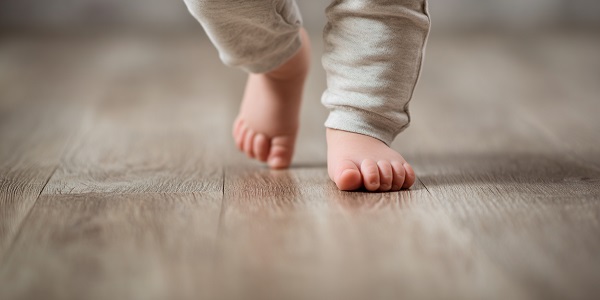
When should I be concerned?
In the conditions listed above, I have stressed that these differences usually resolve on their own. There are times, though, when parents should take action. This is particularly true if your child is not meeting the normal milestones associated with walking. There are red flags you can look out for.
By 12 Months:
- Not pulling up to stand
- Not attempting to cruise along furniture
- Stiff or floppy legs
15-18 Months:
- Not walking independently
- Walking on toes consistently without flat-footed steps
- Uneven movements, such as favouring one leg
- Frequent falling or lack of balance
2 Years:
- Still not walking, or only walking with support
- Difficulty standing up from the floor without assistance
- Unable to walk up or down stairs without holding on
3 Years and Beyond:
- Walking appears uncoordinated or unsteady
- Frequently tripping or falling, more than peers
- Difficulty running, jumping, or climbing stairs
Conclusion
Watching your little one take his or her first steps is such an exciting moment. The little wobble with arms outstretched is the beginning of the walking journey. As time goes by, your child’s muscles, bones and joints mature. Gross motor skills, coordination and confidence grow.
But what if walking seems delayed or different to other children? Thankfully, gait issues do usually resolve themselves, but if they haven’t corrected by the time your child is six to eight years old, then there could be lifelong consequences. Pain or worsening at any age must be addressed.
In-toeing causes the joints to wear early and unevenly in the hips, knees and ankles. Your child will be more at risk of tripping. Falling over your own feet can lead to injury, but it also opens the child to being teased and to avoiding physical exercise.



Out-toeing leads to joint issues and early onset of osteoarthritis. The foot structure is affected and deformities like bunions and hammertoes become a risk. Gross motor skills will be affected by weak calf and glute muscles. This affects balance and causes muscle strain and weakness.
Toe-walking can cause lasting changes to the structure of the foot. It shortens the muscles in the calf and increases a child’s risk of falling. It can also result in a social stigma and teasing. This is very damaging to a child’s self-confidence.
Walking properly is part and parcel of normal development. We can accept variances while a child is very young, but ultimately, we want the child to walk, run and jump like all their peers. Physical exercise, peer acceptance and self- confidence are all part of normal development and a child’s gait can have a significant impact on each of these areas.
References
- https://my.clevelandclinic.org/health/diseases/22186-pigeon-toes-intoeing
- https://pediatricfootankle.com/foot-conditions/out-toeing-femoral-retroversion/
- https://bestpractice.bmj.com/topics/en-gb/709
- https://raisingchildren.net.au/guides/a-z-health-reference/gait-disorders-pigeon-toe-out-toing-toewalking
- https://www.childrenshospital.org/conditions-treatments/walking-gait-abnormalities
