







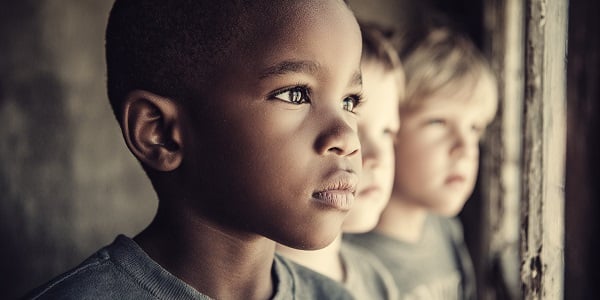
Raising boys is one of the most powerful responsibilities in any society. Boys grow into men who shape homes, workplaces, relationships, communities and entire generations. Yet the emotional worlds of boys are often overlooked, dismissed or misunderstood. The South African Child Gauge 2025 provides strong evidence that harmful patterns of male behaviour, especially violence, begin early in childhood and are shaped by what boys see, experience and learn.
The Child Gauge highlights that men who perpetrate intimate partner harm often report significant “childhood adversity” before the age of 15, showing that harmful masculinities are rooted in early experiences rather than adult choices alone. Boys who grow up witnessing violence learn to normalise it. Boys who grow up emotionally neglected learn to numb themselves. Boys who grow up without nurturing connections may seek power or control to manage internal pain.
This cycle is not inevitable. It can be interrupted, redirected and completely transformed when parents understand how boys internalise messages about masculinity, emotion and relationships. This article explores what the Child Gauge reveals about harmful masculinities, how boys learn violence and how parents can raise boys who are emotionally secure, empathetic and capable of healthy relationships.
How Childhood Shapes the Men Boys Become
The Child Gauge explains that violence against women and violence against children share common drivers. These include:
• Gender inequality
• Patriarchal norms
• Childhood trauma
• Emotional neglect
• Normalisation of violence in families
• Exposure to community violence
These drivers begin influencing boys at a young age.
Boys who grow up witnessing violence may learn:
• Men are supposed to dominate
• Control equals strength
• Emotions are a weakness
• Aggression is acceptable
• Fear must be hidden
• Vulnerability is dangerous
Without support or intervention, these early beliefs become the foundation for harmful adult behaviour. But when boys experience nurturing care, emotional validation and healthy role modelling, the cycle is broken.



Harmful Masculinities: What the Child Gauge Says
The Child Gauge emphasises that harmful masculinities are not biological. They are taught, modelled and reinforced by families, schools, communities and society.
These harmful beliefs include:
• Men must be tough
• Boys should not cry
• Emotions like sadness or fear are unacceptable
• Men must be dominant in relationships
• Anger is the only safe emotion
• Violence is a way to solve conflict
• Asking for help is a weakness
These beliefs limit boys’ emotional worlds and increase the risk of violence.
The document highlights that men who commit violence often report trauma and instability in childhood, including emotional neglect, abuse or exposure to violence in the home. These early experiences shape coping mechanisms that later emerge as harmful behaviour.
Why Boys Often Struggle More Than We Realise
Parents may assume boys are “stronger”, “less sensitive”, or “more confident” because of stereotypes. But research shows boys may struggle internally just as much as girls, if not more, because they are given fewer emotional tools.
Boys are often told to:
• “Man up”
• “Stop crying”
• “Be strong”
• “Don’t be soft”



This emotional restriction creates pressure that boys cannot express. When boys cannot express sadness, fear, hurt, or confusion, those emotions turn inward or outward.
Turning inward can lead to:
• Depression
• Anxiety
• Emotional withdrawal
• Shutdown
Turning outward can lead to:
• Aggression
• Defiance
• Bullying
• Intimidation
The way boys learn to express emotion directly affects how they behave in relationships later in life.
Why Fathers Matter
Fathers and male caregivers play a crucial role in shaping boys’ beliefs about masculinity and relationships. Boys learn gender roles by observing how fathers:
• Express emotion
• Communicate in conflict
• Treat their partners
• Show affection
• Handle stress
• Engage with their children
If fathers use aggression, boys learn that aggression is masculine. If fathers avoid emotion, boys learn that emotion is shameful. If fathers disrespect their partners, boys learn to internalise inequality.
But when fathers show empathy, care, gentleness and respect, boys learn that masculinity includes emotional intelligence, compassion and connection.
When Fathers Are Absent
Father absence is extremely common in South Africa. This does not mean all fatherless boys will struggle, but it does increase vulnerability to harmful patterns if not balanced by strong, nurturing relationships with other caregivers.
When fathers are absent, boys may learn:
• To suppress emotions
• To distrust men
• To fear abandonment
• To internalise anger
• To question their own identity
Strong male role models can be found in grandfathers, uncles, teachers, mentors or community members. What matters is that boys see examples of healthy masculinity.
The Role of Mothers in Raising Emotionally Healthy Boys
Mothers often provide boys with their first lessons in emotional expression. A mother’s relationship with her son influences:
• His emotional vocabulary
• His empathy
• His confidence
• His ability to communicate
• His understanding of healthy boundaries
• The way he treats women
Mothers can support healthy masculinity by:
• Allowing boys to cry
• Validating feelings
• Encouraging expression
• Talking about respect and empathy
• Modelling emotional warmth
• Challenging harmful gender stereotypes
• Protecting boys from violent environments
A strong, secure attachment with a mother protects boys from harmful influences.
How Boys Learn Violence Through Observation
Children learn more from what they see than from what they are told. When boys witness violence between caregivers, they internalise harmful lessons about relationships.
The Child Gauge emphasises that men who perpetrate intimate partner violence often experienced adversity in childhood, including exposure to violence at home before age 15. This shows that violence does not begin in adulthood. It begins with childhood observation.
Boys learn violence when they see:
• Shouting
• Threats
• Emotional intimidation
• Hitting
• Humiliation
• Silent tension
• Disrespect
These experiences become templates for adult behaviour unless replaced with healthier models.
How Trauma Affects Boys Differently
Boys and girls experience trauma differently. Boys often turn stress into:
• Aggression
• School behaviour problems
• Rule-breaking
• Emotional shutdown
• Oppositional behaviour
These reactions are not signs of a “naughty” or “difficult” child. They are signs of emotional overwhelm.
The Child Gauge explains that exposure to violence activates a child’s stress response system. If this happens repeatedly or without support, it can lead to long-term problems with emotional regulation and behaviour.
ALSO READ: How to Help Your Stressed or Anxious Child & When to Get Help

How Parents Can Break the Cycle
The cycle of harmful masculinity can be broken within one generation if parents take small, intentional steps.
1. Teach emotional language
Encourage boys to name their feelings: sad, scared, confused, frustrated, disappointed.
2. Validate emotion
Replace “stop crying” with “it’s okay to feel upset”.
3. Model non-violent conflict resolution
Let boys see adults handling conflict calmly.
4. Praise kindness and empathy
Reinforce gentle behaviour as strength.
5. Challenge harmful gender stereotypes
Correct statements like “boys don’t cry” or “that’s for girls”.
6. Create safe spaces for vulnerability
Let boys talk without judgement or shame.
7. Address exposure to violence
If violence exists at home, seek help early.
8. Encourage healthy male role models
Let boys learn from men who show respect, gentleness and emotional intelligence.
Community Influence on Masculinity
The Child Gauge shows that community norms play a major role in shaping behaviours. In communities where violence, inequality and patriarchal norms are common, boys grow up learning that aggression is normal.
Communities can support healthy masculinity by:
• Creating boys’ clubs focused on emotional literacy
• Encouraging mentorship programmes
• Offering parenting workshops
• Promoting gender-equality education
• Strengthening sports and cultural programmes that emphasise respect
• Training teachers in positive discipline
These community structures help counter harmful norms.
Supporting Boys Through Adolescence
Teenage boys often struggle with identity, peer pressure and emotional overwhelm. Adolescence is a critical time for shaping healthy masculinity.
Parents can support teenage boys by:
• Encouraging open conversations
• Teaching consent and respect
• Discussing healthy relationships
• Guiding them away from harmful peer influences
• Helping them understand emotions
• Maintaining connection even when they withdraw
• Providing safe outlets for stress
Teenage years are the moment when early patterns can be either cemented or transformed.
Final Thoughts
The Child Gauge 2025 shows clearly that harmful masculinities are not accidents. They are learned behaviours shaped by childhood experiences, emotional environments and social norms. But this also means they can be unlearned. They can be replaced with healthier beliefs, stronger emotional skills and nurturing models of manhood.
Parents, caregivers and communities have the power to raise boys who are emotionally intelligent, gentle, respectful and resilient. Boys who break the cycle rather than repeat it. Boys who become men who heal rather than harm.
Raising such boys is not only possible. It is essential for South Africa’s future.
