








Children can get many of the vitamins they need from a balanced diet that includes a variety of fruit, vegetables, dairy products, eggs, meat, fish, whole grains, nuts and seeds. So, which vitamins are important for children, and where can you find them? Here are six key vitamins to know about and the foods that can help provide them.
Vitamin A
Vitamin A is crucial for normal growth and a healthy immune system – if your child were to suffer from a Vitamin A deficiency, they may be prone to infections. It also plays a role in skin health and eyesight, helping to prevent night blindness.
Good dietary sources of Vitamin A
Yellow fruit and vegetables like carrots and mango, egg yolk, vegetable oil, butter, salmon and liver.
Vitamin B
Sometimes referred to as the ‘building blocks of a healthy body’, there are 8 different B vitamins and they all contribute towards ensuring the body’s cells function as they should. These vitamins are necessary for proper brain development in children, for creating the protein haemoglobin in red blood cells, which carries oxygen around the body, as well as the body’s neurotransmitters like serotonin. The most important B vitamins for children are B1 (thiamine), B6 (pyridoxine) and B12 (cobalamin).
Good dietary sources of Vitamin B
Cheese, milk, eggs, chicken, red meat, fish, citrus fruits, bananas, chickpeas, peanuts, fortified cereals and breads.
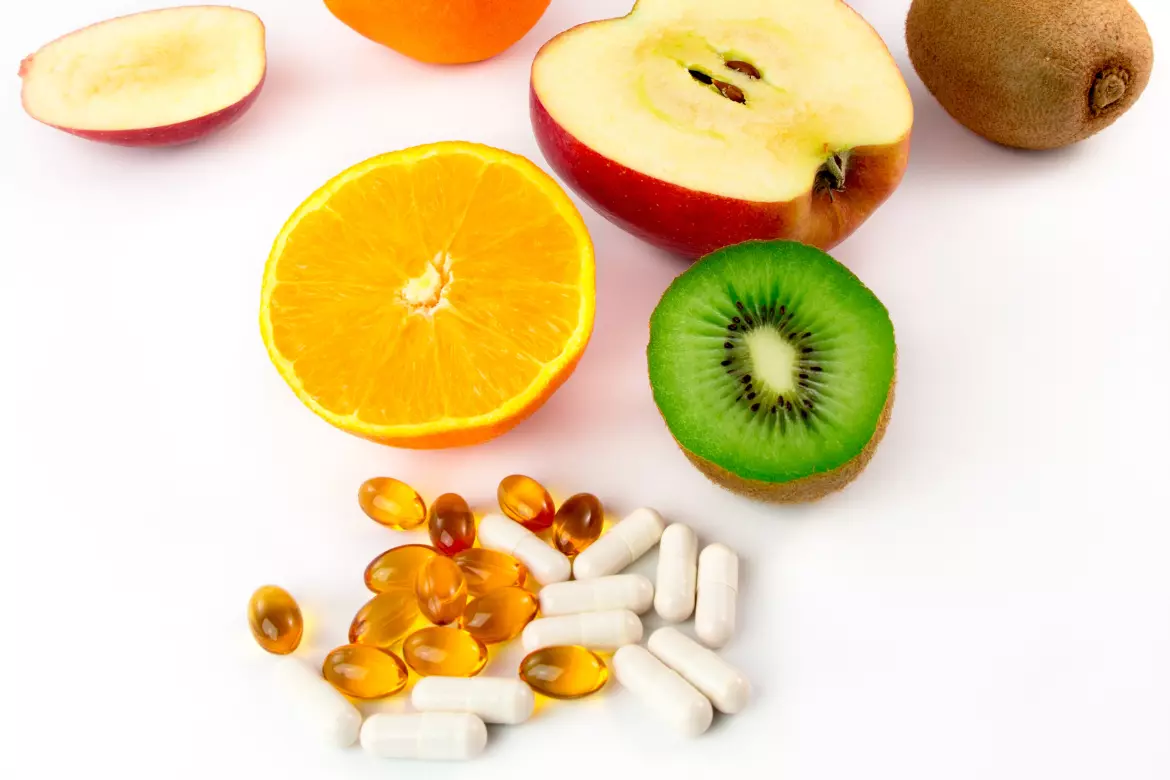
Vitamin C
Vitamin C plays a role in wound healing and helping your body fight off infection. It also aids in building muscle, collagen and cartilage, and keeps bones, teeth and gums healthy.
Good dietary sources of Vitamin C
Citrus fruits, apples, apricots, pineapple, potatoes, kiwi, strawberries, broccoli and peppers.
ALSO READ: Expert advice on how to deal with picky eaters
Vitamin D
If our skin receives enough direct sunlight, our bodies make most of the Vitamin D we need. Vitamin D is necessary to help you absorb calcium, which keeps bones strong – a deficiency can lead to diseases like rickets.
Good dietary sources of Vitamin D
Sunlight, fatty fish like salmon, mushrooms, egg yolk, tinned tuna, liver, spinach and margarine.
Vitamin E
Vitamin E is responsible for the development of healthy eyes and skin, and it boosts your immune system. It is a powerful antioxidant that protects cells from damage caused by free radicals and is considered particularly important for the health of babies born prematurely as it may help prevent some of the health problems associated with preterm deliveries, such as anaemia.
Good dietary sources of Vitamin E
Sunflower and canola oils, margarine, broccoli, spinach and nuts.




READ NEXT: Expert advice from a paediatrician on whether your child should take a multivitamin
Vitamin K
It is necessary for cardiovascular health, to build healthy bones and to allow your blood to clot. As very little Vitamin K passes through the placenta from mother to child, most babies are given a protective shot at birth. Signs of severe Vitamin K deficiency include easy bruising and excessive bleeding from wounds.
Good dietary sources of Vitamin K
Green leafy vegetables like kale, broccoli, cabbage and spinach, as well as pork, chicken, hard cheeses, avocado and prunes.
FAQs about vitamins for children
What vitamins are important for children?
Children need a range of vitamins, including vitamins A, B, C, D, E, and K. These vitamins support different areas of growth and development, including vision, bone health, normal immune function, and energy production.
Can children get enough vitamins from food?
A varied and balanced diet can provide many of the vitamins and nutrients children need. Offering a mix of foods from different food groups can help make sure they receive a wider range of nutrients.
Does my child need a multivitamin everyday?



Not every child needs a daily multivitamin. Whether a supplement is necessary can depend on your child’s age, diet and individual nutritional needs. Speak to your doctor, paediatrician or another qualified healthcare professional if you are unsure.
Which foods are good sources of vitamins for children?
Fruit, vegetables, eggs, dairy products, fish, meat, whole grains, nuts, seeds and fortified foods can all provide important vitamins. Different foods contain different nutrients, which is why variety matters.
Why is vitamin D important for children?
Vitamin D helps the body absorb calcium, which is important for healthy bones and teeth. Children can get vitamin D from sunlight, certain foods and when recommended, supplements
At what age should kids start taking vitamins?
Kids can start taking specific vitamins like vitamin D from birth if they are breastfed. Although real food still remains the recommended source of vitamins and nutrients.
What are the top 3 vitamins?
Most nutrition experts frequently highlight Vitamin D, Vitamin B12, and Vitamin C as three of the most vital and commonly supplemented vitamins for overall health.
