


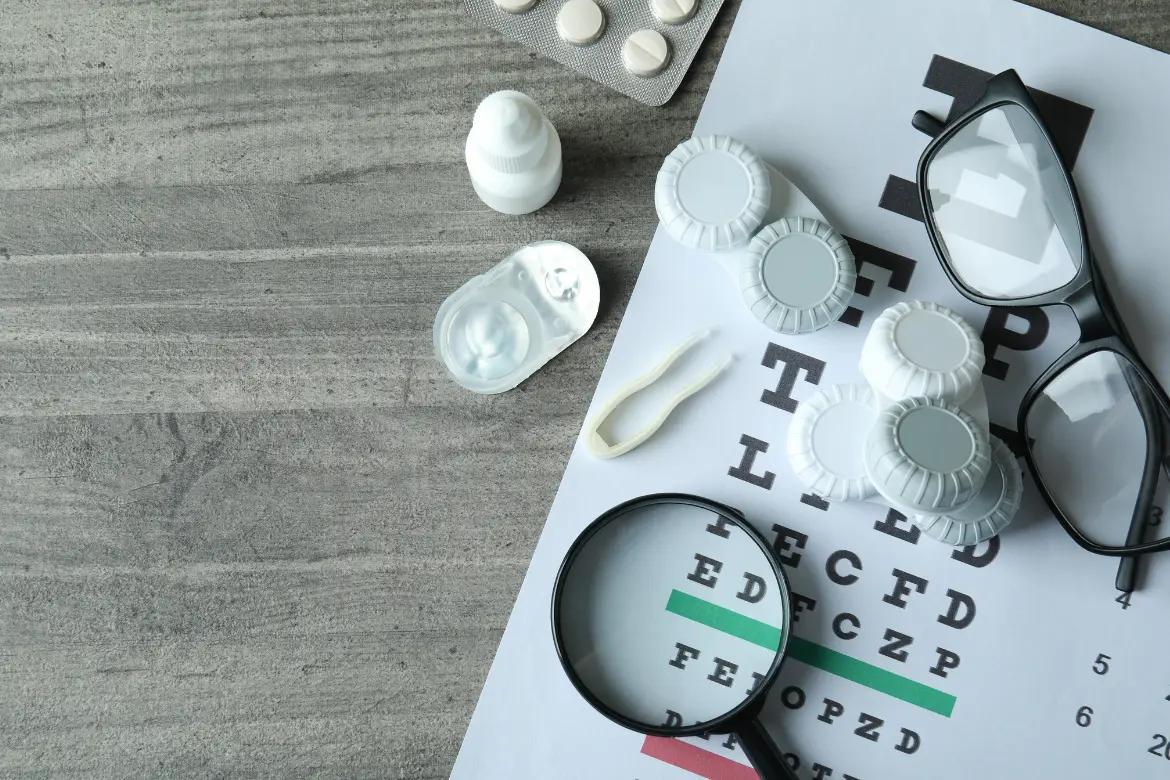
Many women are surprised to experience vision changes during pregnancy, especially when no one warned them that their eyes might join the list of shifting body symptoms. Blurred sight, dryness or light sensitivity can appear out of nowhere. These vision changes during pregnancy are usually harmless, caused by hormones, fluid shifts or fatigue, but some signs do need attention. Knowing the difference helps you stay calm, informed and confident throughout your pregnancy.
READ THIS ARTICLE FOR FREE!
Let’s be honest! Parenting isn’t all cuddles and cupcakes. It’s also chaos, coffee and Googling “is it normal if my toddler eats crayons?” at 2AM. That’s why we built a BabyYumYum Membership Subscription – your smart, supportive sidekick for the messy, magical ride of parenting.
When you join, you unlock:
🚀 Expert advice without the boring bits
💡 Real stories, real laughs, real connection
📘 Downloads, checklists & life-saving parenting tips
💝 Exclusive discounts and benefits for you and your family
Because raising tiny humans is hard work but with the right team (that’s us!), it gets a whole lot easier.
Complaints such as morning sickness and back pain are generally associated with pregnancy, but when pregnant women experience blurred vision and other eye problems, it is always a great concern.
New and expectant mothers go through various physical and hormonal changes, so it’s not unusual to experience vision changes. “Women who have any pre-existing eye conditions such as glaucoma, high blood pressure or diabetes, and women who have taken fertility treatments, should be extra vigilant with their eyesight, because these conditions may put you at greater risk for vision changes and permanent loss of vision,” she adds.
When to have your eyes tested during pregnancy
During pregnancy, the shape of the cornea changes, which may cause discomfort when wearing contact lenses. Many pregnant women might also visit their optometrist during pregnancy to check and possibly change their contact lens or spectacle lens prescription. Getting an entirely new prescription for spectacles probably won’t be necessary, unless you’re experiencing a significant change in your vision which bothers you, in which case you should see your optometrist as a precautionary measure.
It is important to see your optometrist immediately when experiencing any of the following abnormal eye changes during pregnancy:
- Double vision
- Extremely blurry vision for a prolonged time
- Extreme sensitivity to light
- Loss of vision
- Seeing spots or flashing lights
Refractive error, however, can be variable during pregnancy and breastfeeding, and the vision changes that you might experience during pregnancy will most likely only be minor. Fortunately, the shape of the cornea and your vision will return to normal soon after giving birth, although some women do still report blurry vision during breastfeeding stages.
A final prescription should, therefore, be determined following the first menstrual cycle after giving birth, or in the case of mothers who are breastfeeding, the first menstrual cycle after stopping breastfeeding. It is for this reason that most eye experts also advise against getting Laser-Assisted In Situ Keratomileusis (LASIK) surgery or being fitted for new contact lenses during pregnancy.
BabyYumYum FAQ’s: Why Vision Changes During Pregnancy Happen And When to Worry
Why does vision change during pregnancy?
Pregnancy affects hormones, blood flow and fluid retention, all of which can impact the eyes. These changes can cause blurriness, dryness or slight shifts in vision.
Are blurry or fluctuating vision changes normal?
Yes. Many people experience mild, temporary changes due to fluid shifts in the cornea or changes in tear production.
Why do my eyes feel dry during pregnancy?
Hormonal changes reduce tear quality and production, leading to dry, itchy or irritated eyes. This is especially common in hot South African summers.

Can pregnancy affect contact lens comfort?
Yes. Some people find lenses harder to tolerate because the cornea becomes slightly thicker or drier. Choosing glasses temporarily can help.
Are floaters or flashing lights normal?
No. Sudden floaters, flashing lights or dark spots may signal vision-threatening conditions and require urgent medical care.
Can pregnancy worsen existing eye conditions?
Conditions like diabetes or hypertension can affect the eyes more during pregnancy. Regular check-ups are essential if you have pre-existing health issues.
Should I change my prescription while pregnant?
It’s better to wait until after birth unless your vision changes significantly. Most prescription shifts return to normal after delivery, or once breastfeeding stabilises.
When should I worry about vision changes?
Seek immediate help if you notice:
- Severe headaches
- Sudden vision loss
- Light flashes or floaters
- Eye pain
These may indicate preeclampsia or retinal issues, which need urgent assessment.
Do vision changes continue after birth?
Some do, especially in the early weeks postpartum, but most resolve as hormones settle and fluid levels normalise.
Can breastfeeding affect vision?
Yes. Hormonal fluctuations during breastfeeding may prolong mild dryness or blurriness, but this is usually temporary.
Should I see an optometrist during pregnancy?
Yes, especially if you have diabetes, high blood pressure, sudden symptoms or significant visual discomfort. Annual eye checks remain safe during pregnancy.
How can I protect my eye health while pregnant?
Stay hydrated, rest your eyes often, wear sunglasses outdoors and use pregnancy-safe lubricating drops if recommended by your healthcare provider.
Disclaimer: This information is for general educational purposes and does not replace professional medical advice. For sudden or severe vision changes, seek immediate care from an optometrist, ophthalmologist or healthcare provider.
Get trusted, parent-approved advice at your fingertips. Premium Membership gives you expert guidance, real-world tips and member-only downloads. Try it out for unlimited access, exclusive content and helpful parenting tools.
YOU MAY ALSO LIKE
Amblyopia, or lazy eye, affects many children. Learn about the causes of amblyopia and the treatment options available to correct lazy eye in children.