


When you first hold your baby, you are filled with a mixture of awe, relief and love. You imagine their future, their smile and all the milestones ahead. However, what if that smile looks different from what you expected? Discovering that your baby has a cleft lip or cleft palate can feel overwhelming. Questions race through your mind: “Why did this happen?” “Will my child be okay?” “What comes next?”
Take a deep breath. You are not alone, and there are answers. With the right information, support and care, babies with a cleft lip or cleft palate can go on to thrive, smile beautifully and live full, happy lives.
What is a Cleft Lip or Cleft Palate?
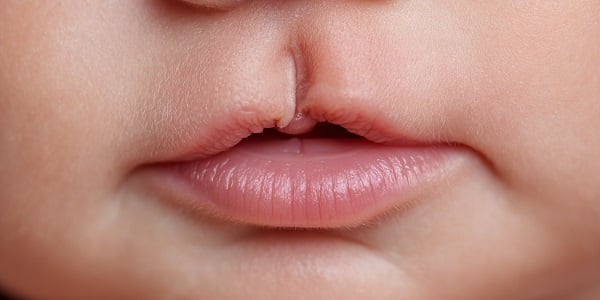
A cleft lip is when a baby is born with an opening or split in the upper lip. It may look like a small notch or extend all the way up towards the nose. A cleft palate is an opening in the roof of the mouth where the tissue did not fully join during pregnancy. Some babies have one or the other, and some have both. Think of it like a puzzle piece that has not quite connected, but with care, it can be completed.
How Common Are These Conditions?
You may feel isolated, but cleft conditions are more common than many parents realise. Globally, about 1 in every 700 babies is born with a cleft lip or cleft palate. In South Africa and many other countries, families and hospitals are well-prepared to manage it. Knowing you are part of a community of thousands of parents walking the same journey can be reassuring.
Why Do Cleft Lip or Cleft Palate Happen?
No single cause explains cleft conditions. Experts believe it is usually a mix of genetics and environmental factors.
Some possible influences include:
- Family history of cleft conditions
- Nutritional deficiencies in pregnancy
- Certain medications taken during pregnancy
- Smoking or alcohol use during pregnancy
Here is the key: parents should never blame themselves. Many cases happen without any clear reason.
Signs and Diagnosis Before and After Birth
Sometimes clefts can be spotted during a routine ultrasound before your baby is born, especially a cleft lip. A cleft palate, however, is often only discovered after birth when doctors examine the baby’s mouth. Early diagnosis allows doctors to prepare you with information, connect you with specialists and ensure your baby has the best care from day one.
Everyday Challenges for Parents
It is normal to feel anxious when your baby has a cleft lip or cleft palate. Feeding may be tricky, surgeries may feel daunting, and emotions can run high, but remember that every challenge has a solution. With guidance and the right tools, you can navigate the daily hurdles.





Feeding a Baby with a Cleft Lip or Cleft Palate
Feeding is one of the first challenges parents face. Babies may struggle with breastfeeding or bottle feeding because the opening in the lip or palate affects suction. Special bottles and teats are designed to help, and lactation consultants can guide you. Sometimes feeding takes longer, but with patience, your baby will get the nourishment they need. Tip: Hold your baby upright during feeding to help prevent milk from entering the nose.
Medical Treatments and Surgery Options
The good news is that cleft conditions are treatable with surgery.
- Cleft lip surgery usually takes place between three to six months of age
- Cleft palate surgery is often performed a bit later, between 9 to 18 months
These surgeries not only repair appearance but also improve feeding, speech and overall development. Sometimes additional procedures are needed as the child grows, but each step brings positive progress.
The Role of Speech and Hearing Development
Children with cleft palate may experience speech difficulties or fluid build-up in the ears. Speech therapy and regular hearing checks are part of the treatment journey. Think of speech therapists as your child’s coaches, guiding them to use their new voices with confidence.
Emotional Impact on Parents and Families
When your baby is born with a cleft lip or cleft palate, emotions can swing between love, worry and even guilt. Parents often ask: “Did I do something wrong?” The answer is no. It is important to acknowledge your feelings. Talking to other parents or professionals can lighten the emotional load. Remember, your baby’s worth is not defined by their cleft. Their smile will shine in its own unique way.
Support Networks and Community Resources
From online forums to local support groups, many organisations are ready to walk alongside you. Cleft charities often provide advice, funding for surgeries and emotional support. Leaning on a community can make the journey less lonely. Hearing stories from parents who have been there can bring comfort and hope.
Caring for Your Baby at Home
Practical care includes gentle cleaning of the lip or mouth, careful feeding routines and keeping medical appointments. Over time, these routines become second nature. You may also create small rituals, perhaps whispering prayers or blessings before hospital visits, that help you feel grounded.
Myths and Misconceptions About Cleft Lip or Cleft Palate
Sadly, some myths still exist, such as:
- “It is caused by something the mother ate”
- “It cannot be fixed”
- “The child will never speak properly”
None of these is true. Modern medicine, therapy and family support ensure children with cleft conditions can thrive just like their peers.
Stories of Hope: Real Families, Real Journeys
Across the world, countless children have had successful cleft surgeries. Their smiles radiate confidence, and many parents say the experience strengthened their family bond. Hearing “before and after” stories is like seeing a rainbow after a storm, a reminder that brighter days are ahead.
Looking Ahead: Life After Surgery
After surgery and therapy, most children go on to eat, speak and smile without limitations. Some may need dental care or additional procedures as they grow, but with medical guidance, their quality of life is excellent. Your child’s journey may take a slightly different path, but every step is filled with love and progress.
Final Thoughts: Finding Strength as a Parent
Parenthood is never a straight road. A cleft lip or cleft palate may seem like a detour, but it is one that leads to resilience, deeper love and a community of support. Remember, you are not walking this journey alone. With information, medical care and your unwavering love, your baby’s future is full of promise.
FAQs About Cleft Lip or Cleft Palate
Can a cleft lip or cleft palate be detected during pregnancy?
Yes, a cleft lip is often detected on an ultrasound, but a cleft palate is usually confirmed after birth.
Will my baby need more than one surgery?
Sometimes, yes. Many children need follow-up surgeries for function and appearance as they grow.
Can my baby still breastfeed with a cleft palate?
Breastfeeding may be challenging, but special bottles or expressed milk can ensure your baby gets the nutrition they need.
Will my child’s speech be affected?
Some children may need speech therapy, but with surgery and support, they can develop clear communication skills.
Is it my fault that my baby was born with a cleft lip or cleft palate?
No. Cleft conditions happen for reasons outside your control. Parents should never carry blame.
YOU MUST TAKE A LOOK AT: 5 Beautiful Prayers for a Newborn Baby + Personalised Baby Prayer Generator
