







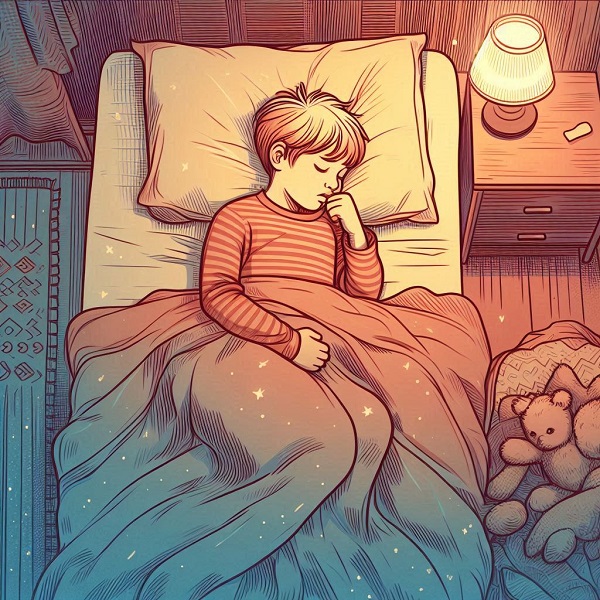

Sleep difficulties are extremely common among neurodivergent children, including autistic children and those with ADHD. For many families, bedtime becomes a nightly source of stress, frustration and exhaustion. These challenges are not a result of poor parenting or a child “not trying hard enough,” but rather reflect genuine differences in brain development, sensory processing and nervous system regulation.
Sleep plays a critical role in learning, emotional regulation, physical health and mental wellbeing. When sleep is disrupted, the effects ripple into daytime functioning, often intensifying challenges with attention, mood, flexibility and coping. Understanding why sleep can be difficult for neurodivergent children is the first step toward offering meaningful, compassionate support.
Common Sleep Differences in Neurodivergent Children
Neurodivergent children may experience a wide range of sleep-related differences, including:
- Difficulty falling asleep (sleep-onset insomnia)
- Frequent night waking or early morning waking
- Circadian rhythm differences (being naturally more alert late at night)
- Restless sleep or frequent movement
- Sleep-disordered breathing
- Restless legs or periodic limb movement
- Differences in melatonin production and regulation
Many children require more total sleep time to feel rested, yet paradoxically experience poorer-quality sleep. This mismatch often results in daytime fatigue, irritability, reduced concentration and heightened sensory sensitivity.
Research suggests that autistic children, in particular, may experience differences in REM sleep, which plays a role in emotional processing and memory consolidation. Reduced or fragmented REM sleep can mean children need longer sleep durations to gain the same restorative benefit.
Children with ADHD are also significantly more likely to experience sleep challenges, particularly delayed sleep phase syndrome, where the body’s internal clock runs later than socially expected. These differences are neurological in origin and not a matter of discipline or routine alone.
Understanding the Underlying Contributors
Sleep challenges in neurodivergent children rarely have a single cause. Instead, they emerge from a complex interaction of biological, sensory, emotional, and environmental factors.
- Nervous system regulation
Many neurodivergent children spend much of their day in a heightened state of alert. Their nervous systems may struggle to downshift into a calm, restful state, making sleep initiation difficult.
- Sensory processing differences
Sounds, textures, light, temperature or even internal bodily sensations can interfere with sleep. A seam in pyjamas, a faint hum of electricity, or awareness of one’s heartbeat can be enough to prevent settling.
- Anxiety and cognitive activity
Racing thoughts, anticipatory anxiety or difficulty transitioning from activity to rest can significantly delay sleep. Bedtime can amplify worries that are easier to ignore during the day.
- Biological and genetic factors
Differences in melatonin secretion, circadian rhythm regulation, and sleep–wake cycles have been documented in both autism and ADHD. These differences are physiological, not behavioural.




Recognising these contributors helps shift the focus away from “fixing” the child and toward supporting their individual sleep needs.
Supporting Sleep Through a Neuro-Affirming Lens
Improving sleep for neurodivergent children is not about enforcing strict rules or eliminating all nighttime wakefulness. Instead, it involves creating conditions that help the nervous system feel safe, regulated and supported.
Below are evidence-informed, practical strategies that many families find helpful.
- Support Movement and Nutrition During the Day
Regular physical activity can help regulate sleep–wake cycles and support nervous system balance. Movement does not need to be structured sport, like walking, climbing, swimming or free play all count.
Nutrition also plays a role. Limiting caffeine and being mindful of foods that may increase arousal or discomfort in the evening can support better sleep. Some children are particularly sensitive to sugar or additives later in the day.
- Create Predictable, Calming Evening Rhythms
Consistency supports regulation. A predictable evening rhythm helps signal to the brain that rest is approaching. This does not require a rigid schedule, but rather a familiar sequence of calming activities.
Examples include:
- Dimming lights
- Bathing or washing
- Reading or listening to audiobooks
- Quiet play or drawing
Transitions are often harder than the activities themselves, so gentle warnings before bedtime can reduce stress.



- Use Cues Rather Than Control
Instead of insisting “it’s time for bed,” some families find success using external cues that feel less confrontational. A soft alarm, visual timer or favourite song can mark the transition to bedtime without creating a power struggle.
This approach supports autonomy and reduces the sense that sleep is being imposed.
- Reduce Sensory Disruption in the Sleep Environment
The sleep environment can either support or undermine regulation. Consider experimenting with:
- White noise or low, consistent background sound
- Blackout curtains to block early morning or evening light
- Temperature adjustments
- Soft, familiar textures
Small sensory changes can have a disproportionately large impact.
- Explore Calming Sensory Inputs
Some children benefit from calming sensory input before or during sleep. Gentle proprioceptive input, such as deep pressure, can help signal safety to the nervous system.
Weighted blankets, compression sheets, or weighted soft toys can be soothing for some children, though they should always be used according to safety guidelines and individual preference.
- Address Anxiety With Compassion
Bedtime anxiety is common, especially when the day has been overwhelming. Rather than trying to eliminate anxious thoughts, it can be helpful to acknowledge them.
Strategies may include:
- Writing worries down before bed
- Listening to calming stories or guided relaxation
- Practising breathing or grounding exercises together
Co-regulation, being emotionally present and reassuring, often matters more than techniques alone.
- Consider Aromatherapy With Caution
Some families find gentle scents such as lavender or chamomile calming. However, sensory preferences vary widely, and strong smells can be overstimulating for some children. Introduce cautiously and observe responses.
- Melatonin as a Supportive Option
When environmental and behavioural strategies are insufficient, melatonin may be considered under medical guidance. Melatonin does not sedate; it helps signal the brain that it is time to sleep.
Its effectiveness varies, and it should be viewed as a support rather than a standalone solution. Ongoing consultation with a healthcare professional is essential.
ALSO READ: Melatonin for Kids: What Parents Need to Know
A Compassionate Perspective on Sleep
Sleep challenges in neurodivergent children are not failures to be corrected but differences to be understood. Progress is often gradual and non-linear. Some nights will still be difficult and that is not a reflection of poor parenting or inadequate effort.
A neuro-affirming approach emphasises:
- Safety over compliance
- Regulation over routines alone
- Understanding over judgement
When children feel safe and supported, their nervous systems are more likely to move toward rest over time.
References
Cortese, S., Faraone, S. V., Konofal, E., & Lecendreux, M. (2009). Sleep in children with attention-deficit/hyperactivity disorder: Meta-analysis of subjective and objective studies. Journal of the American Academy of Child & Adolescent Psychiatry, 48(9), 894–908.
Elrod, M. G., & Hood, B. S. (2015). Sleep differences among children with autism spectrum disorders and typically developing peers: A meta-analysis. Journal of Developmental & Behavioral Pediatrics, 36(3), 166–177.
Malow, B. A., Byars, K., Johnson, K., Weiss, S., Bernal, P., Goldman, S. E., Panzer, R., Coury, D. L., & Glaze, D. G. (2012). A practice pathway for the identification, evaluation, and management of insomnia in children and adolescents with autism spectrum disorders. Pediatrics, 130(Suppl. 2), S106–S124.
Owens, J. A., Weiss, M. R., & Insana, S. P. (2019). Neurodevelopmental disorders and sleep in children. Pediatric Clinics of North America, 66(3), 543–558.
Porges, S. W. (2011). The polyvagal theory: Neurophysiological foundations of emotions, attachment, communication, and self-regulation. W. W. Norton & Company.
van der Kolk, B. A. (2014). The body keeps the score. Viking.
