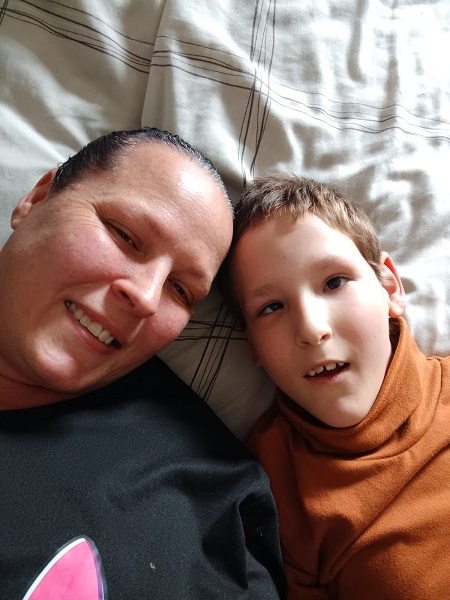



Every November, Prematurity Awareness Month reminds us of the fragile beginnings of so many babies born too soon. It is a time to shine a light on the realities of neonatal intensive care units (NICUs), and more importantly, on the mothers who carry the weight of those early days long after their babies leave the hospital. Prematurity is not just a medical condition; it is an emotional, practical and deeply human experience that reshapes families forever.
For mothers, the NICU is often the first chapter of parenthood. It is a chapter filled with uncertainty, fear and resilience. To support moms whose children are born prematurely, we need to understand what that journey feels like, what helps and what hurts. Tanya’s story offers a window into the lived reality of NICU life and the lessons we can all take forward.
ALSO READ: ‘Her Timing Wasn’t Premature’: A Mum’s Story Of Prematurity, NICU and Connection
A Journey Measured in Heartbeats and Sanitiser
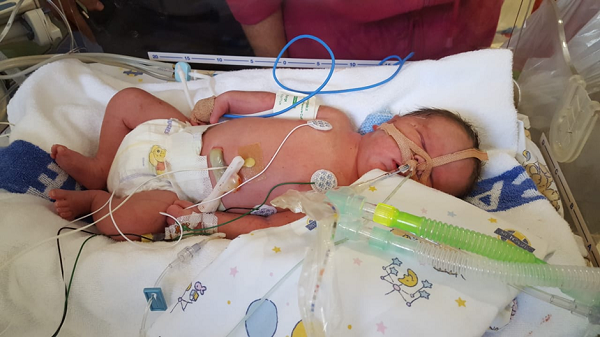
On 23 April 2018, Tanya’s son, Dean, was born at 31 weeks. She recalls the day vividly: the theatre lights, the epidural, the laughter when her husband fainted twice, and then the silence when her baby was taken aside. For long moments, there was no sound, no reassurance, only the terrifying question of whether her child was alive.
When Dean finally cried, and when his mother held him for those fleeting seconds before he was whisked away to the NICU, she knew her life had changed. Dean weighed 2.9 kilograms, but his fight was only beginning. He spent two months in the NICU, while his parents spent six to seven hours each day sitting beside him, watching, praying and breathing in the sharp scent of sanitiser that still lingers in memory.
Those weeks were the longest and toughest of their lives. The NICU is not just a place of machines and monitors; it is a place where parents like Tanya learn to live in suspended time, where every gram gained and every wire removed feels monumental. It is a place where hope and fear coexist and where love is measured in patience and presence.
The Power of Showing Up
For Dean’s parents, support came in many forms. Family and friends cooked meals, offered rides to the hospital and managed updates through a group chat. This allowed the couple to focus on their baby without being overwhelmed by constant messages.
One gesture stands out for Tanya: loved ones waiting at the hospital, even though they could not enter the NICU. Their presence, quiet and steadfast, meant everything. Sometimes support is not about words or solutions; it is about showing up, holding space and reminding parents that they are not alone.
This kind of support is both practical and deeply emotional. It acknowledges the exhaustion of NICU parents, who are often too drained to ask for help. It respects their need for focus and privacy, while still offering tangible care.





When Words Miss the Mark
However, not all support feels supportive. Well‑meaning advice from those outside the medical team often added stress for the Eglintons, rather than comfort. Parents in the NICU are already navigating complex medical decisions and living with constant uncertainty. Extra opinions, even when offered with kindness, can feel overwhelming or dismissive.
According to Tanya, one phrase in particular stands out as unhelpful: “Everything will be ok.” For parents watching their baby fight for survival, this reassurance can ring hollow. It ignores the reality that outcomes are uncertain, and it risks silencing the depth of their fear.
What helps, instead, is honesty paired with presence. Tanya shares that saying, “We are here for you in whatever you need”, acknowledges the unknown while offering solidarity. It shifts the focus from predicting the future to supporting the present.
ALSO READ: Are Artificial Sweeteners Linked to Premature Puberty in Children?

What People Often Don’t See
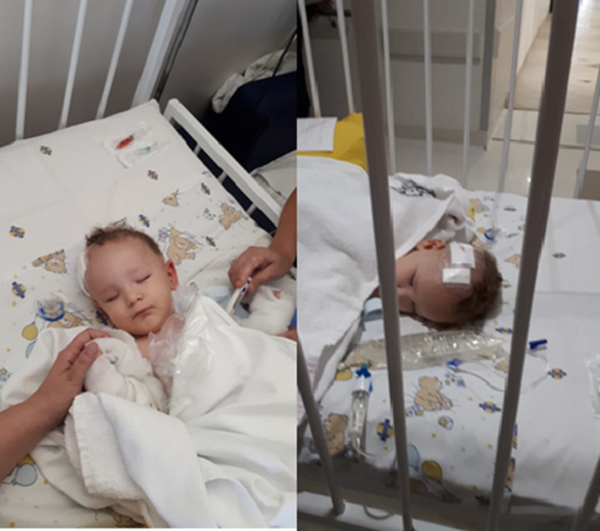
The NICU journey does not end when a baby is discharged. Parents carry the emotional scars long after monitors are unplugged and wires removed. They live with hyper‑awareness, remembering every fragile milestone and every moment of uncertainty.
Others may see a healthy child, but parents remember the fragility of those beginnings. They know that prematurity reshapes parenting, instilling a quiet strength and a deep gratitude for every milestone, no matter how small.
This is why supporting NICU moms requires more than short‑term gestures. It requires long‑term understanding, patience and respect for the invisible weight they carry.
Practical Ways to Support NICU Moms
- Offer practical help: Cook meals, provide rides to the hospital, help with childcare for siblings, or drop off groceries.
- Be emotionally present: Show up at the hospital even if you cannot enter the NICU. Your quiet presence matters.
- Communicate with care: Avoid empty reassurances like “everything will be ok.” Instead, say, “We are here for you in whatever you need.”
- Respect boundaries: Keep updates streamlined through one channel, and don’t overwhelm parents with constant questions or advice.
- Send thoughtful messages: A simple “thinking of you, no need to reply” can ease the emotional load without demanding energy.
- Acknowledge the long journey: Remember that NICU experiences shape families long after discharge. Offer ongoing support, not just during hospital days.
These gestures may seem simple, but they meet parents where they are: exhausted, overwhelmed and often unable to articulate their needs. They show care without demanding energy in return.
Support is not about fixing the situation; it is about easing the load, even just a little.