


It can be worrying when your newborn’s nappies don’t look quite as you expect. New parents often find themselves asking: “Is this normal, or should I call the doctor?” One of the most common concerns is diarrhoea. Since babies’ stools can vary a lot in colour, texture, and frequency, it can be hard to know what’s typical and what signals a problem. This guide explains newborn diarrhoea – causes, when it’s nothing to worry about, and when it’s a sign you should seek medical help.
What Does Normal Baby Poo Look Like?
Newborn poo changes quickly in the first weeks of life.
- Meconium: Thick, sticky, dark green or black stools passed in the first few days.
- Breastfed babies: Yellow, mustard-like stools that are soft or runny and can appear seedy.
- Formula-fed babies: Firmer, tan or brown stools that may smell stronger.
Normal baby stool can be loose without being diarrhoea. The key is to notice sudden changes or patterns that don’t fit your baby’s usual routine.
What Counts as Newborn Diarrhoea?
Diarrhoea in newborns usually means:
- Frequent, watery stools that are looser than usual.
- An increase in the number of nappies filled per day.
- Stool that leaks through nappies or soaks clothing.
Unlike normal loose stools in breastfed babies, diarrhoea tends to be watery, explosive and more frequent.
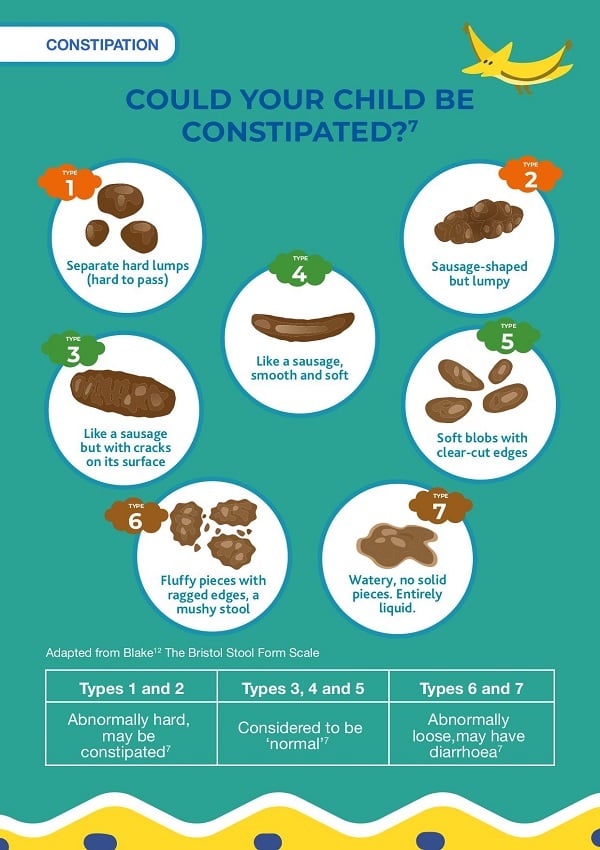
ALSO READ: It’s Time To Talk Poop: How To Help Your Child With Constipation
Common Causes of Newborn Diarrhoea
Infections
Viral or bacterial infections can cause diarrhoea. Symptoms may include fever, irritability or vomiting alongside watery stools.
Feeding changes
Switching from breast to formula, changing formula brands, or introducing new foods (for older infants) can upset your baby’s tummy.
Allergies and intolerances
Some babies react to cow’s milk protein, lactose, or other ingredients in formula. Breastfed babies may react to something in mum’s diet.
Antibiotics
If your baby is prescribed antibiotics, it may disrupt the balance of gut bacteria, causing looser stools.




Teething (older babies)
Teething doesn’t directly cause diarrhoea, but increased saliva swallowed can sometimes make stools looser.
When to Worry About Newborn Diarrhoea
Call your doctor or health visitor if you notice:
- Signs of dehydration: dry mouth, sunken eyes, fewer wet nappies, drowsiness.
- Blood or mucus in stools.
- High fever or repeated vomiting.
- Diarrhoea lasting more than a day or two.
- A sudden change in stool colour (for example, very pale or red).
Newborns can become dehydrated quickly, so it’s always best to get medical advice early if you’re concerned.
How to Care for a Newborn with Diarrhoea
- Keep them hydrated: Continue breastfeeding or formula feeding as normal. Offer feeds more often if possible.
- Monitor nappies: Count wet nappies to track hydration.
- Watch for rashes: Frequent diarrhoea can cause nappy rash, so change nappies quickly and use barrier cream.
- Seek advice early: Even if symptoms seem mild, checking with your GP or midwife is sensible for young babies.
Preventing Diarrhoea in Newborns
- Practise good hygiene: wash hands before and after nappy changes and before feeding.
- Ensure bottles and teats are sterilised properly.
- If breastfeeding, be aware of foods in your own diet that may upset your baby.
- Avoid unnecessary changes in formula unless recommended by a healthcare professional.
Conclusion
Newborn diarrhoea can be unsettling, but often it’s temporary and linked to feeding changes or mild infections. Still, because babies are more vulnerable to dehydration, it’s important to recognise the warning signs. If you’re ever unsure, trust your instincts and reach out to your GP, midwife or health visitor. Prompt attention ensures your baby gets the care they need and gives you peace of mind.
CHECK OUT: Printable Baby Illness Logbook for Doctor Visits Made Simple
FAQs
Is loose poo always diarrhoea in newborns?
Not always. Breastfed babies often have runny, seedy stools that are perfectly normal. Diarrhoea is usually watery, frequent and sudden.
Can formula cause diarrhoea?
Some babies may react to a change in formula or to ingredients such as cow’s milk protein, leading to looser stools.
How can I tell if my baby is dehydrated?
Look for fewer wet nappies, dry mouth, drowsiness or sunken soft spots on the head. If you notice these signs, seek help immediately.
Should I stop breastfeeding if my baby has diarrhoea?
No. Breastfeeding helps keep your baby hydrated and supports recovery. Continue feeding as often as your baby wants.
When should I call a doctor about newborn diarrhoea?
Call your doctor if diarrhoea is persistent, severe, or accompanied by fever, vomiting, dehydration or blood in the stools.
