




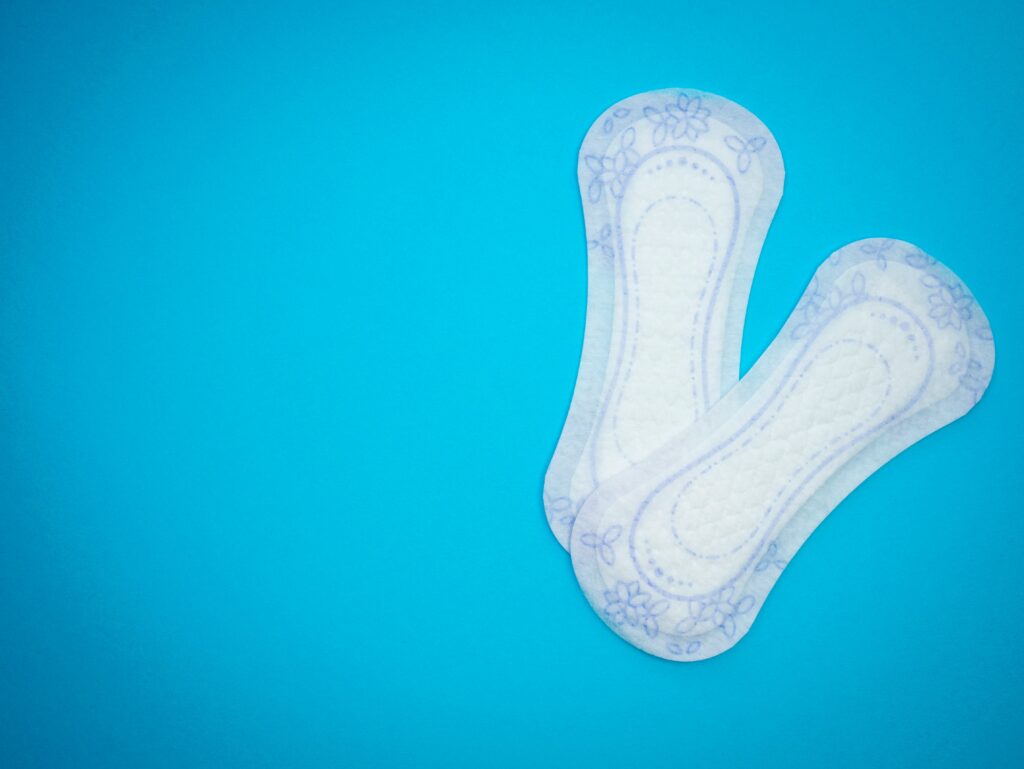
Conducted by researchers at UFS, the study analysed widely available menstrual products purchased from South African retailers to determine whether everyday use could expose consumers to endocrine-disrupting chemicals.
What the Study Found About Chemicals Found in Sanitary Products
Researchers tested 16 brands of sanitary pads and eight types of pantyliners commonly sold in South Africa. According to the official UFS research release, every product analysed contained at least two endocrine-disrupting chemicals.
The research focused on three major chemical groups: bisphenols, parabens and phthalates. Detection rates showed widespread presence across products:
- Bisphenols were detected in 100% of sanitary pads and 75% of pantyliners
- Parabens were found in more than 81% of sanitary pads and 75% of pantyliners
- Phthalates were present in all pantyliners and 50% of sanitary pads tested
Researchers explained that these chemicals are not always intentionally added ingredients but may migrate into products from plastics, adhesives or heat used during manufacturing.
Professor Deon Visser, head of chemistry at the University of the Free State, noted that marketing claims do not always reflect chemical presence, stating that many sanitary pads and liners contain hormone-disrupting chemicals even when marketed as free from harmful substances.
ALSO READ: What is endometriosis and how does it affect fertility?
Why Scientists are Studying Chemicals Found in Sanitary Products
Endocrine-disrupting chemicals can interfere with hormone systems by mimicking natural hormones or disrupting biological signalling. In an interview with eNCA, Visser explained that these chemicals “look very similar to the hormones in the endocrine system and they mimic them”.
The UFS study describes menstrual products as “a significant but overlooked source of toxic exposure”, highlighting concerns linked to repeated contact with sensitive tissue over many years of use. Researchers emphasised that the issue relates to cumulative exposure rather than immediate harm from a single product.
Calls for Greater Transparency and Regulation
The findings also point to regulatory gaps. In South Africa, menstrual products are primarily assessed for hygiene and absorbency rather than chemical composition, and manufacturers are not required to disclose full ingredient lists.
Researchers say clearer labelling standards and stronger oversight could help consumers better understand the chemicals found in sanitary products and make informed purchasing decisions.
ALSO READ: What is Premenstrual Syndrome (PMS) and How to Ease the Symptoms




What the Findings Mean for Consumers
Researchers have not advised consumers to stop using sanitary pads. Instead, the study highlights chemicals found in sanitary products as an area requiring further scientific investigation, improved regulation and greater transparency from manufacturers.
The research adds locally generated evidence to a growing global discussion about everyday chemical exposure, shifting attention toward how essential personal care products are tested, labelled and regulated.
Image credit: Unsplash – Reproductive Health Supplies Coalition
