



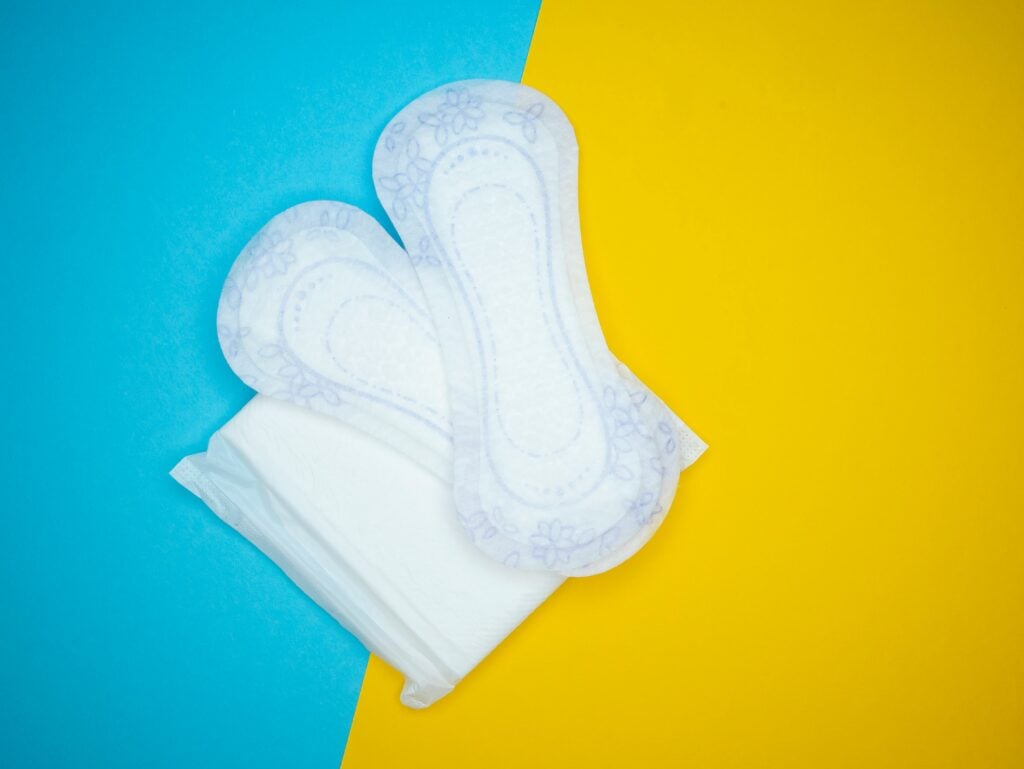
The research, released in February 2026, identified small amounts of endocrine-disrupting chemicals (EDCs) in some sanitary pads and pantyliners, raising questions about potential long‑term exposure risks. In response, experts and authorities have clarified what the findings mean for consumers and emphasised that the products do not pose proven harm.
Health Minister Dr Aaron Motsoaledi led a joint media briefing on Sunday, 8 March, aimed at explaining the implications of the research and addressing public concerns about product safety.
ALSO READ: Hormone-Disrupting Chemicals Found in Sanitary Products, New UFS Study Reveals
Department of Health Highlights Safety and Context
During the briefing, Motsoaledi explained that traces of chemicals do not automatically translate into health risk and that menstrual products remain safe to use under current conditions.
The minister noted that EDCs are pervasive in everyday life, found in food, household items and personal care products.
“Concentrations of EDCs in menstrual products are very low. The findings of EDCs in sanitary pads do not automatically translate into harm in the human body,” he said.
Motsoaledi explained that the study did not establish a causal link between the detected chemicals and adverse health outcomes and reiterated that none of the products tested warrant removal from the market.
“Most important is that this or any other study has not established a causal relationship between the detected chemicals and adverse health outcomes in women or girls,” he continued.
He also pointed out that menstrual products like sanitary pads are classified as low‑risk and exempt from stringent medical device regulation, although manufacturers are still expected to meet global standards.
“South African Health Products Regulatory Authority (SAHPRA) tells us that sanitary pads, while falling in this category that aids physiological function, have been exempted by SAHPRA from regulation due to what they regarded as very low risk. They did not pick up any risk, so they exempted them from being regulated like all the other medicines. You are aware SAHPRA regulates medicines by registering them, by monitoring side effects and recalling them if they pick up anything, but in this case, they exempted them,” Motsoaledi added.
ALSO READ: Women’s Health Education in South Africa: Why Understanding Your Body Changes Everything




Expert Health Bodies Weigh in on the Findings
At the same briefing, health authorities outlined input from a range of scientific and clinical institutions consulted by the Department of Health. These included the South African Medical Research Council (SAMRC), the South African Society of Obstetricians and Gynaecologists (SASOG), the South African Society of Reproductive Medicine and Gynaecological Endoscopy (SASREG), the National Health Laboratory Service (NHLS), the World Health Organization (WHO) and SAHPRA.
Experts emphasised that the incidental presence of EDCs does not, in itself, indicate a meaningful risk to human health.
Professor Ismail Bhorat, president of SASOG, explained that the chemicals only have “the potential to interfere with the actions of hormones”, but that presence alone does not demonstrate an established risk.
SAMRC president Professor Ntobeko Ntusi highlighted that decades of menstrual product use have not shown evidence of clinical harm from low‑level exposures:
“We also know that sanitary pads, pantyliners, and many hygiene products have been used for many years by women all over the world, and there’s been no signal of harm from their use following many decades,” Ntusi said.
In addition, representatives from the WHO also spoke at the briefing, noting that products such as sanitary pads are part of essential public health tools and should not be withdrawn without compelling evidence of harm.
Government Consultation and Expert Consensus
According to reporting on the government briefing, experts from multiple institutions assessed the UFS study and agreed that the evidence does not justify changing how sanitary products are currently used.
Officials also explained that establishing a direct link between EDC exposure from menstrual products and specific health conditions would require more extensive clinical research, which this study did not provide.
Women and girls have been reassured by the health department that while the research adds to scientific knowledge, there is currently no evidence indicating a direct health risk from using sanitary products available on the market.
As further scientific inquiry continues, regulatory bodies and health authorities say they will continue to monitor the situation and update recommendations if new evidence emerges.
Image credit: Unsplash/ Reproductive Health Supplies Coalition
