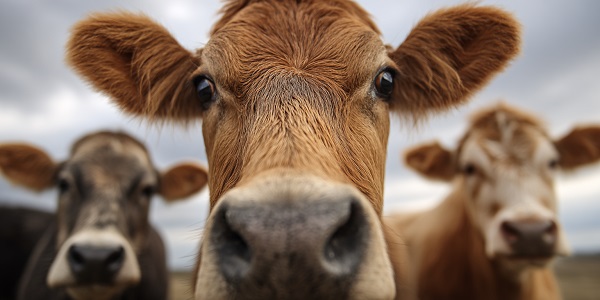





Following South Africa’s declaration of foot and mouth disease (FMD) as a national disaster in February 2026, there has been intensified public attention on the outbreak affecting livestock across parts of the country. There have been a number of South Africans who have confused this with the common childhood illness, ‘hand, foot and mouth’ disease, resulting in widespread panic and misinformation.
It’s important to note that the two diseases are not related, despite the similarity to one another and the current outbreak poses no public health risk to humans.
Dr Themba Hadebe, Clinical Executive at Bonitas Medical Fund, says understanding the distinction is key.
“When a disease affecting animals shares part of its name with a human illness, it is easy for people to assume the worst. The current foot and mouth disease outbreak affects livestock only and does not pose a risk to human health. Clarifying this helps families respond appropriately and prevents unnecessary worry or medical visits.”
ALSO READ: Hand, Foot, and Mouth Disease (HFMD): Symptoms, Causes, and Treatments (Essential Guide + 10 Facts)
The Difference Between the Two Diseases
Foot and mouth disease affects cloven-hoofed animals such as cattle, sheep and pigs. It is a highly contagious viral disease within animal populations and is managed through veterinary controls, movement restrictions and vaccination programmes. Its impact is agricultural and economic, not human.
Hand, foot and mouth disease, by contrast, is a viral infection that affects people, most often young children. Typically caused by coxsackievirus, it spreads through close contact in settings such as homes and schools. Symptoms may include mild fever, mouth sores and a rash on the hands and feet. Most cases are self-limiting and resolve with supportive care.
There is no crossover between the two viruses in this context and the livestock outbreak does not increase the risk of hand, foot and mouth disease in communities.
“Heightened media coverage has contributed a lot to the uncertainty, especially in an environment where information circulates rapidly across social platforms,” says Hadebe.
“Part of caring for our members is helping them interpret health developments accurately and this means providing access to clear, evidence-based information. This enables people to make appropriate decisions about when medical care is required and when reassurance is sufficient,” he continues.
When to Get Help
Parents and caregivers should seek medical advice if a child develops symptoms consistent with hand, foot and mouth disease, especially persistent fever, signs of dehydration or unusual lethargy. However, precautionary medical visits are not necessary in response to the livestock outbreak alone.





While the foot and mouth disease outbreak remains a serious issue for the agricultural sector and the broader economy, it does not constitute a human health emergency.