







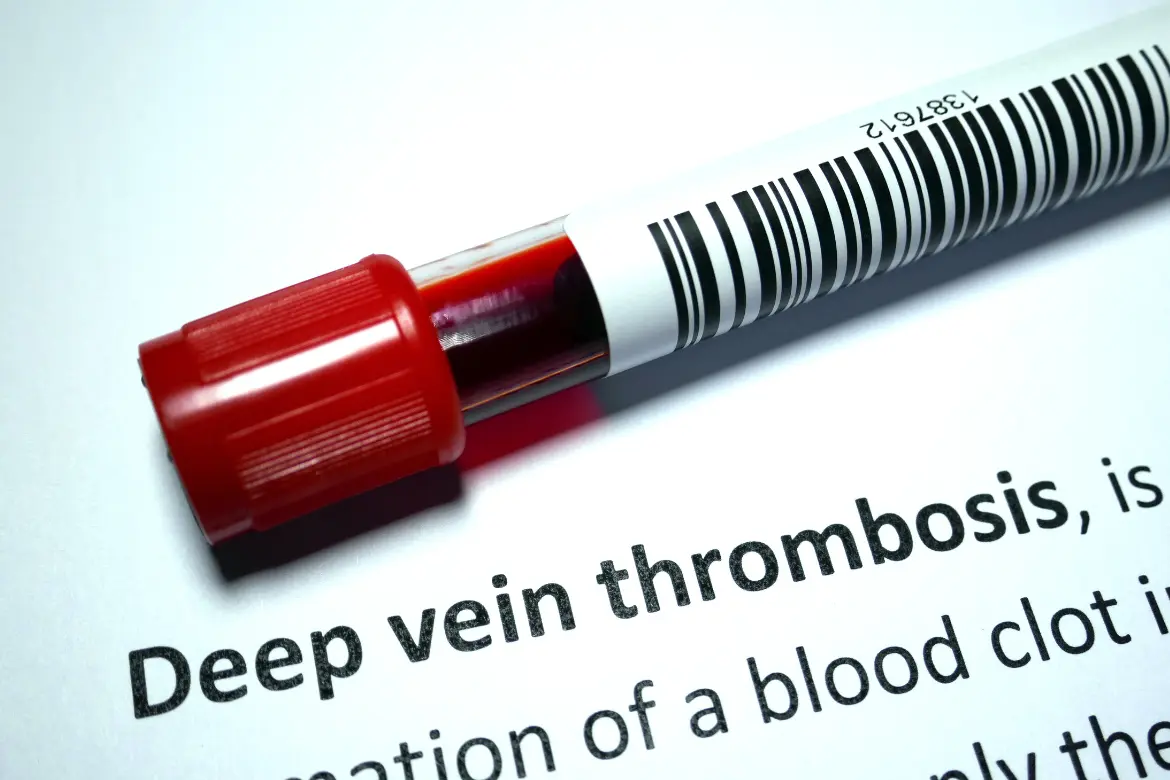
Long journeys are usually associated with boredom, stiff legs and sore backs. What most people do not realise is that sitting still for hours can increase the risk of serious blood clots. Deep vein thrombosis (also known as traveller’s thrombosis) causes and symptoms are often subtle at first and easy to brush off as normal travel discomfort. Knowing what your body is signalling can make the difference between harmless stiffness and something that needs urgent attention.
READ THIS ARTICLE FOR FREE!
Let’s be honest! Parenting isn’t all cuddles and cupcakes. It’s also chaos, coffee and Googling “is it normal if my toddler eats crayons?” at 2AM. That’s why we built a BabyYumYum Premium Membership – your smart, supportive sidekick for the messy, magical ride of parenting.
When you join, you unlock:
🚀 Expert advice without the boring bits
💡 Real stories, real laughs, real connection
📘 Downloads, checklists & life-saving parenting tips
💝 Exclusive discounts and benefits for you and your family
Because raising tiny humans is hard work but with the right team (that’s us!), it gets a whole lot easier.
Blood clots can form in the deep veins (veins below the surface that are not visible through the skin) of your legs while you are travelling because you are sitting still in a confined space for long periods of time. The longer you are immobile, the greater your risk of developing a blood clot.
Sometimes the blood clot will dissolve on its own. However, a serious health problem can occur when a part of the blood clot breaks off and travels to the lungs, causing a blockage. This is called a pulmonary embolism, and it may be fatal. Pulmonary embolism following air flight was first described in 1954 and was termed “economy class syndrome” in 1977. This term is not used today because we know that venous thromboembolism is not restricted to economy class passengers. In fact, it’s not only limited to long duration travel in an aircraft but also to any confinement in small spaces such as a car, bus or train travel.
With many of us heading across the country, or across the planet, for our winter holiday, it is important to understand who is at risk for getting a thrombosis (clot), ways to prevent getting one and how to recognise if you’ve developed one.
Risk factors for thrombosis in travellers:
- Past or family history of DVT (deep vein thrombosis)
- Poor veins in the legs, such as varicose veins or injured veins
- Coagulation (clotting) disorders
- Recent trauma or surgery, especially leg, hip or pelvis
- Medical predispositions such as obesity, smoking, older age, chronic disease and malignancy
- Pregnancy and the two months after giving birth, hormone replacement therapy (HRT) or oral contraceptive pill
- Cabin-related factors such as cramped position, immobilisation and dehydration
- Prolonged journeys
“Pulmonary embolism is not only limited to long duration travel in an aircraft but any confinement in small spaces such as car, bus or train travel.”
How do we reduce our risk of getting blood clots?
- Plan day or night stopovers to break trips up into shorter segments.
- Stand up and move around frequently.
- Request a bulkhead or aisle seat.
- Perform leg and calf stretching exercises every one to two hours.
- Maintain adequate fluid intake (at least two litres per 24 hours).
- Restrict alcohol and caffeine intake.
- Travellers who are at slightly higher risk should consider purchasing below-knee class I graduated compression stockings.
- High-risk patients should speak to their doctor about an injection of a blood-thinning medication before flying.
- It is important to note that aspirin has absolutely no evidence for preventing clotting in the venous system and will not prevent a DVT.
Symptoms of a DVT include:
- DVT usually (although not always) affects one leg
- Swelling in one (or both) legs
- Pain or tenderness in one or both legs, even if it’s just when you stand or walk
- A heavy ache in the affected area
- Warm skin on your leg
- Red or discoloured skin on your leg
If a DVT breaks loose and travels to the lungs, it causes a pulmonary embolus and can be deadly. Look out for the following (particularly following recent travel):
- Sudden coughing, which may bring up blood
- Sharp chest pain
- Rapid breathing or shortness of breath
- Severe light-headedness
You might have simply picked up an infection on your holiday, but rather be safe than sorry and call your doctor immediately.
Also read:
How to Survive Travelling Overseas with a Baby! Best You Have a Sense of Humour!
What to Know When Flying While Pregnant
BabyYumYum FAQ’s: Deep Vein Thrombosis (Traveller’s Thrombosis)
What is deep vein thrombosis (DVT)?
Deep vein thrombosis is a condition where a blood clot forms in a deep vein, most commonly in the leg. It can restrict blood flow and may become serious if the clot travels to the lungs.
What is traveller’s thrombosis?
Traveller’s thrombosis refers to DVT that develops after long periods of immobility, such as during long-haul flights, car journeys or train travel. Sitting still for extended periods can slow blood flow in the legs.

Why does long-distance travel increase the risk of DVT?
Remaining seated for long periods can cause blood to pool in the legs. Dehydration and reduced movement can further increase the risk of clot formation.
What are the common symptoms of DVT?
Symptoms may include swelling in one leg, pain or tenderness, warmth, redness or a heavy aching feeling in the affected area. Some people may have no symptoms at all.
Why is DVT considered dangerous?
A blood clot can break loose and travel to the lungs, causing a pulmonary embolism. This is a medical emergency that can be life-threatening if not treated promptly.
Who is more at risk of developing traveller’s thrombosis?
Risk factors include pregnancy, recent surgery, obesity, smoking, hormone therapy, certain medical conditions, previous blood clots and long periods of immobility.
Can pregnancy increase the risk of DVT while travelling?
Yes. Pregnancy naturally increases blood clotting as a protective mechanism. Combined with long periods of sitting, this can raise the risk of DVT during travel.
How long does travel need to be to increase DVT risk?
Journeys lasting longer than four hours may increase the risk, especially if there is limited movement. The risk rises further on flights or trips lasting eight hours or more.
How can DVT be prevented during travel?
Moving regularly, stretching legs, staying hydrated, wearing loose clothing and avoiding crossing legs can help. Compression stockings may be recommended for some people.
Are compression stockings effective for preventing DVT?
Compression stockings can help improve blood flow in the legs and may reduce the risk of clot formation, particularly for people at higher risk.

When should someone seek medical help for possible DVT?
Urgent medical attention is needed if there is unexplained leg swelling, pain, redness or warmth, especially after recent travel. Sudden chest pain, shortness of breath or coughing up blood requires emergency care.
Can traveller’s thrombosis be treated?
Yes. Treatment usually involves blood-thinning medication to prevent the clot from growing and to reduce the risk of further clots. Early diagnosis improves outcomes.
Medical Disclaimer: This information is provided for general educational purposes only and is not a substitute for professional medical advice, diagnosis or treatment. Deep vein thrombosis can be a serious medical condition. Always seek advice from a qualified healthcare provider if you have symptoms, concerns or risk factors for blood clots, or before travel if you are at increased risk.
Get trusted, parent-approved advice at your fingertips. Premium Membership gives you expert guidance, real-world tips and member-only downloads. Try it out for unlimited access, exclusive content and helpful parenting tools.
YOU MAY ALSO LIKE
Learn what a paediatrician includes in their first aid box to handle emergencies. From plasters to thermometers, here’s a complete checklist.