








While there’s nothing wrong with teaching children healthy skincare habits, dermatologists are increasingly warning that many of today’s viral skincare trends may be doing more harm than good. Products designed to treat wrinkles, pigmentation and ageing skin are finding their way into the hands of children whose skin doesn’t need them.
The concern isn’t just about wasted money. Experts say some of these routines could damage a child’s delicate skin barrier, increase the risk of allergic reactions, and create unrealistic beauty expectations at an age when children should be learning confidence, not chasing flawless skin.
A Growing Trend Driven by Social Media
Skincare has become one of the fastest-growing categories on platforms like TikTok, where “Get Ready With Me” videos routinely attract millions of views. What has surprised many parents is how young some of the content creators have become.
A landmark 2025 study published in Pediatrics examined 100 skincare videos recommended to accounts posing as 13-year-olds. Researchers found that girls between the ages of seven and 18 used an average of 6 skincare products in their daily routines, while some routines included more than 12 products. The authors concluded that these regimens offered “little to no benefit” for healthy young skin while exposing children to unnecessary risks.
Children’s Skin Isn’t the Same as Adult Skin
One of the biggest misconceptions behind the trend is that healthy skin requires lots of products. In reality, children’s skin is naturally different from adult skin. Before puberty, young skin produces less oil, has fewer signs of ageing, and generally has a healthy protective barrier that doesn’t require powerful active ingredients.
Many products trending online contain ingredients such as retinol, glycolic acid, salicylic acid, and other chemical exfoliants that were developed to treat adult skin concerns like wrinkles, acne scars, and pigmentation. While these ingredients can be appropriate for certain medical conditions under professional guidance, they are rarely necessary for children with healthy skin.
According to researchers from Northwestern Medicine, repeatedly exposing young skin to multiple active ingredients may increase the risk of irritation, sun sensitivity, and allergic contact dermatitis, a condition that can sometimes lead to lifelong allergies to skincare ingredients.
More Products Can Mean More Problems
Perhaps the most concerning finding from the study was not simply how many products children were using, but what those products contained. Researchers found that the most-viewed skincare routines contained an average of 11 potentially irritating active ingredients, with some routines exposing children to as many as 21 different active ingredients through repeated layering of multiple products.
Rather than improving skin health, using several active ingredients together can weaken the skin’s natural barrier. This may leave skin feeling dry, red, sensitive, and irritated. In some cases, children may unknowingly apply the same ingredient multiple times because it appears in different products within the same routine. For developing skin, more products do not necessarily mean healthier skin.
The Most Important Skincare Product Was Often Missing
Ironically, while many routines featured luxury cleansers, toners, serums, and masks, researchers found that one of the most important skincare products was frequently absent. Only 26% of daytime skincare routines included sunscreen, despite sunscreen being widely recognised as the single most effective skincare product for preventing sun damage and reducing future skin cancer risk. Dermatologists consistently recommend daily sunscreen for children spending time outdoors, yet many social media routines place far greater emphasis on cosmetic products than on sun protection.
The Cost May Surprise Parents
Beyond the potential skin risks, these routines can also be expensive. The Pediatrics study found that the average skincare routine promoted by young influencers costs approximately $168 per month (about R2700), while some routines exceeded $500 (about R8000). For families, this means spending significant amounts of money on products that experts say provide little benefit for healthy young skin.


The Emotional Impact Shouldn’t Be Ignored
Dermatologists say the conversation isn’t just about skincare ingredients. It’s also about the messages children receive. Many skincare videos encourage children to focus on preventing wrinkles, achieving “glass skin,” or correcting imperfections long before these concerns naturally exist. Researchers noted that this may contribute to unrealistic beauty standards and encourage children to equate healthy skin with perfection. When skincare becomes centred on appearance instead of health, children may begin worrying about flaws that don’t actually exist.
What Should Parents Do?
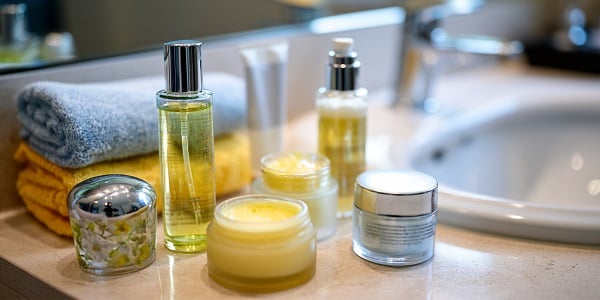
Experts agree that most children do not need elaborate skincare routines. For healthy skin, a gentle cleanser, a fragrance-free moisturiser if the skin feels dry, and a broad-spectrum sunscreen during the day are usually all that’s needed. If a child develops acne, eczema, or another skin condition, it’s best to seek advice from a healthcare professional rather than relying on social media recommendations. Parents can also help children understand that skincare should be about looking after their health, not chasing unrealistic beauty ideals promoted online.
The Bottom Line
There’s nothing wrong with teaching children to care for their skin, but skincare should remain simple, age-appropriate, and focused on health rather than trends. The growing popularity of adult skincare routines among tweens highlights the powerful influence of social media, but current research suggests these routines may expose children to unnecessary ingredients while offering little real benefit. Helping children build healthy habits now, including daily sunscreen use and gentle skincare, is likely to do far more for their skin than the latest viral serum ever could.
Medical Disclaimer: This article is for informational and educational purposes only and is not intended as medical advice. It should not replace consultation with a qualified healthcare professional. If your child develops persistent skin irritation, allergic reactions, eczema, acne, or any other skin concerns, consult a licensed doctor or dermatologist for an appropriate assessment and treatment plan. Never ignore professional medical advice or delay seeking treatment because of information you have read online.
