



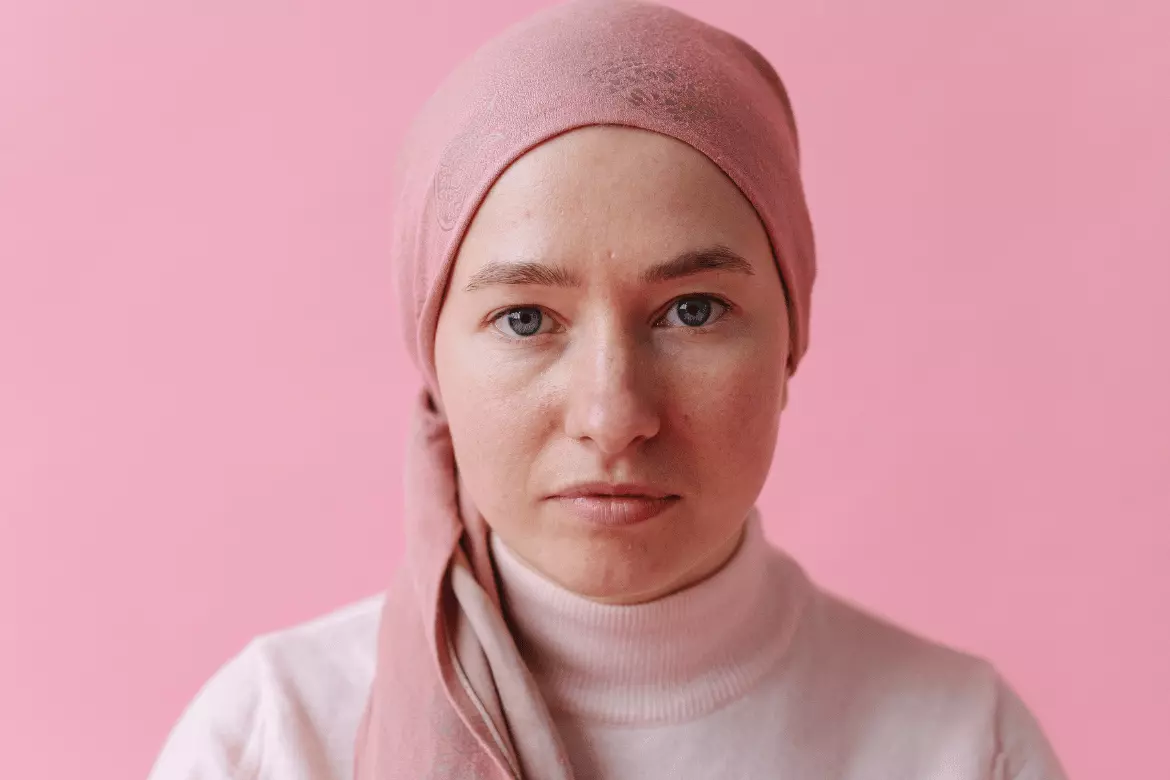
World Cancer Day was on 4 February. In South Africa, it is believed that at least one in four individuals are affected by some form of cancer, through their own diagnosis, or that of a family member or close friend. Cancers can develop in almost any part of the body and subsequently, many variations exist.
What is leukaemia?
There are four main types of leukaemia (two types are acute and two types are chronic). However, all leukaemia originates in the bone marrow where our bodies produce blood. Here is where all our blood (platelets, white and red blood cells) begin to take shape as immature cells that eventually progress into mature cells in healthy individuals.
In cases of acute leukaemia, the blood cells do not naturally progress into mature cells, leaving patients with immature blood cells that can wreak havoc on their normal bodily functions. Acute leukaemia therefore progresses fast, as the body is unable to create the healthy blood cells needed to thrive.
In cases of chronic leukaemia, mature blood cells do develop, but these may become compromised by abnormalities. Chronic leukaemia is therefore a slower-progressing cancer, as patients may still develop mature cells to help them partially maintain their immune systems.
In both acute and chronic cases, the abnormal or ‘unhealthy’ blood cells begin to take over the body and will travel through the bloodstream, affecting the overall well-being of the individual diagnosed.
Risk factors
Sadly, South Africa follows a global trend when it comes to cancer of the blood, with up to 24% of children with cancer, diagnosed with leukaemia. It is currently one of the leading childhood cancers globally.
That said, up to 90% of people diagnosed with leukaemia are actually adults. The majority are men over the age of 55, suggesting that age may be a risk factor in the development of leukaemia.
Other risk factors include exposure to high levels of radiation and chemotherapy for previous cancer treatment, and a strong family history of leukaemia. There are also additional factors that may raise a child’s chances of developing leukaemia, and this includes being exposed to X-rays prior to birth, having a sibling with leukaemia, or being diagnosed with a genetic condition such as Down syndrome.
Symptoms and diagnosis
Symptoms will vary according to the type of leukaemia and how far advanced it is. Typical symptoms include weakness and fatigue, weight loss, fevers, night sweats, bone pain and paleness.
Those diagnosed may also experience swollen or bleeding gums, headaches, swollen tonsils and an enlarged liver or spleen. Diagnosis typically takes place after a blood test is done which will detect any abnormal blood cells. Your doctor may also suggest that a bone marrow test be completed to determine leukaemia.
“Typical leukaemia treatment includes chemotherapy, radiation therapy and stem cell transplants which relies on the donation of bone marrow. Every healthy person between 18 and 45 can be a stem cell donor.”
Proper nutrition
Life with leukaemia is not easy. Chemotherapy, drug therapies and even radiation often bring their own complications and side effects.





Symptoms and treatments may take a heavy toll on the body and thus it is important to remain well-nourished. In leukaemia patients, there may be an increased need for proper nutrition, hydration and sustainable whole foods.
- Eating smaller meals with a variety of fresh fruits and vegetables are encouraged to help patients build up strength and immunity to fight against infection.
- Sufferers should aim to eat regular, small meals, up to six times per day to maintain their energy levels.
- High-calorie liquids such as soups, juices or smoothies are also great to boost the nutrition intake, especially if it becomes harder to digest solid foods.
- Staying hydrated is also vital. Drink plenty of water, especially while undergoing cancer treatment. Sipping even small amounts of water, or sucking ice, may help the body stay regulated in the fight against leukaemia.
Treatment and hope for the future
Typical leukaemia treatment includes chemotherapy, radiation therapy and stem cell transplants which relies on the donation of bone marrow. Every healthy person between 18 and 45 can be a stem cell donor. You can register with the South African Bone Marrow Registry and help to save a life!
Leukaemia treatment is not straightforward – it can take a few months or continue for years. Depending on the type and stage of the illness, a personalised treatment plan is needed per patient.
Thankfully, improved medical advancements are making huge strides in the treatment of leukaemia. According to recent statistics, it was found that the five-year survival rate for leukaemia has more than quadrupled since 1960, and treatment options are helping people live longer.
Source: Selfmed Medical Scheme
