







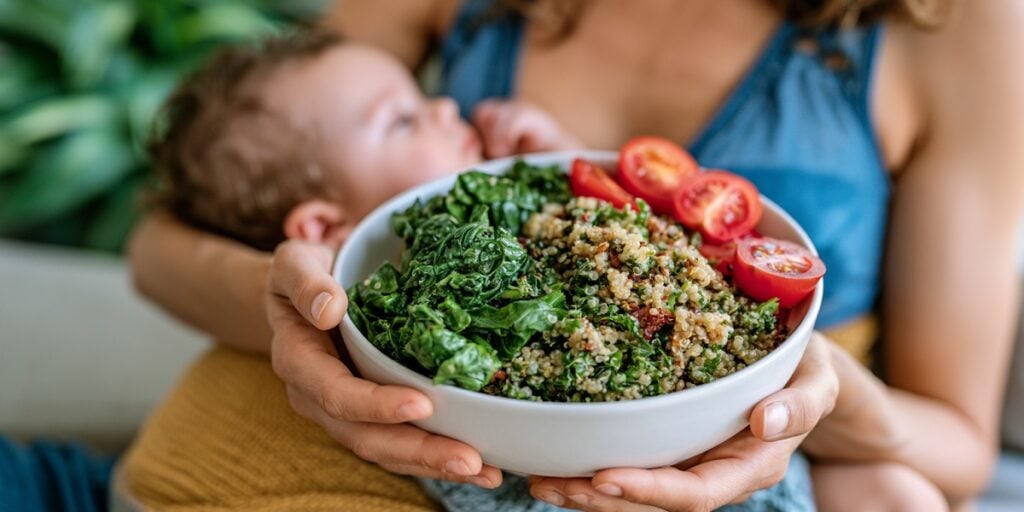
Having a baby is an exciting and life-changing experience. However, after birth, a mother’s body needs time to recover and heal. Whether a mother has had a vaginal birth or a caesarean section, the weeks after delivery place increased demands on her body.
During this time, many mothers focus all their energy on caring for their newborn while forgetting about their own nutritional needs. Good nutrition during the postpartum period can support wound healing, restore energy levels, improve overall wellbeing and help breastfeeding mothers meet their increased nutrient needs.
The good news is that healthy postpartum nutrition does not need to be expensive or complicated. Many nourishing foods are already found in South African homes and can support recovery after birth.
Why nutrition matters after birth
The postpartum period is a time of healing and adjustment. The body works hard to repair tissues, recover from blood loss and adapt to hormonal changes. At the same time, mothers may be dealing with sleep deprivation, fatigue and the challenges of caring for a newborn.
Eating balanced meals can help support:
- Wound healing
- Energy levels
- Immune function
- Breastfeeding
- Mental wellbeing
- Recovery after childbirth
Good nutrition is an important part of self-care during the postpartum period.
Protein helps the body heal
Protein is one of the most important nutrients for recovery after birth. It helps the body repair tissues and supports wound healing after a vaginal delivery or caesarean section. Protein-rich foods include:
- Eggs
- Chicken
- Fish
- Lean meat
- Beans
- Lentils
- Milk
- Maas
- Plain yoghurt
Try to include a source of protein with every meal.
Examples include:
- Eggs on toast
- Chicken and vegetable stew
- Samp and beans
- Plain yoghurt with fruit
Protein provides the building blocks needed for healing and recovery.
Iron helps restore energy
Many women lose blood during childbirth. This can affect iron stores and contribute to tiredness and fatigue.
Signs of low iron levels may include:




- Feeling tired all the time
- Low energy
- Difficulty concentrating
- Feeling weak
Iron-rich foods include:
- Lean red meat
- Chicken livers
- Beans
- Lentils
- Spinach
- Fortified breakfast cereals
To help your body absorb iron, include vitamin C-rich foods with meals, such as oranges, guavas, tomatoes and peppers.
Vitamin C supports wound healing
Vitamin C plays an important role in tissue repair and wound healing. It helps the body produce collagen, which is needed for healing after childbirth.
Good sources of vitamin C include:
- Oranges
- Naartjies
- Guavas
- Tomatoes
- Peppers
- Broccoli
Including fruits and vegetables every day can help support healing and recovery.
Healthy fats support brain health
The postpartum period can be emotionally challenging. While food is not a treatment for postpartum depression or anxiety, a nutritious diet supports overall wellbeing and brain health.
Healthy fats can be found in:
- Avocado
- Peanut butter
- Nuts and seeds
- Pilchards
- Sardines
- Salmon
These foods also provide important nutrients that support overall health.



Fibre helps prevent constipation
Constipation is common after birth, especially after a caesarean section or when pain medication has been used. Fibre helps keep the digestive system healthy and supports regular bowel movements.
Good sources of fibre include:
- Fruits
- Vegetables
- Oats
- Whole grains
- Beans
- Lentils
Remember to drink enough fluids throughout the day, as fibre works best when combined with adequate hydration.
Hydration is essential
Many mothers notice increased thirst after delivery, especially if they are breastfeeding.
Water is important for:
- Recovery
- Digestion
- General wellbeing
- Breastfeeding
Simple ways to stay hydrated include:
- Carrying a water bottle
- Drinking water with meals
- Drinking water during breastfeeding sessions
Water should be the main drink during the postpartum period.
Supporting breastfeeding mothers
Breastfeeding mothers have increased nutritional needs. Rather than focusing on losing weight quickly, mothers should focus on nourishing their bodies with balanced meals and regular snacks.
A balanced meal should include:
- Whole grains or starches
- Protein-rich foods
- Fruits and vegetables
- Healthy fats
Examples of affordable meals include:
- Oats with peanut butter and banana
- Eggs on toast with tomato
- Samp and beans
- Chicken and vegetable stew
- Pilchards with onions, pepper and pap
- Plain yoghurt with fruit
- Peanut butter sandwich and a piece of fruit
These meals provide nutrients needed for recovery and breastfeeding.
Looking after your mental wellbeing
Becoming a mother brings many emotional changes. Sleep deprivation, hormonal shifts and the demands of caring for a baby can affect how mothers feel. Although nutrition alone cannot prevent postpartum depression, regular meals and a balanced diet can support overall wellbeing and energy levels.
Mothers should try to:
- Eat regular meals
- Stay hydrated
- Include protein with meals
- Eat fruits and vegetables daily
- Accept support from family and friends when available
If feelings of sadness, anxiety or hopelessness persist, professional support should be sought.
Foods and drinks to limit
During the postpartum period, try to limit:
- Sugary drinks
- Excessive sweets and chocolates
- Highly processed foods
- Excessive alcohol intake
These foods often provide little nutritional value and may replace foods that support healing and recovery.
Conclusion
The postpartum period is a time of healing, recovery and adjustment. While mothers naturally focus on caring for their babies, it is equally important that they care for themselves.
Simple, affordable and nourishing foods can support wound healing, restore energy levels and promote overall wellbeing. Good nutrition is not about perfection. It is about providing the body with the nutrients it needs to recover, heal and thrive during this important stage of life.
Recovery takes time. Be patient with yourself, nourish your body and seek support when needed. Looking after your own health is one of the best ways to care for your baby, too.
References
- Postpartum Nutrition: Guidance for General Practitioners. Australian Journal of General Practice. 2022.
- Postpartum Care of the New Mother. StatPearls Publishing. National Center for Biotechnology Information (NCBI).
- Sultan P, Bampoe S, Shah R, Guo N, Estes J, Stave C. Current Concepts in Postpartum Anemia Management. 2024.
- Impact of Nutrition on Skin Wound Healing and Aesthetic Outcomes: A Comprehensive Narrative Review. 2024.