







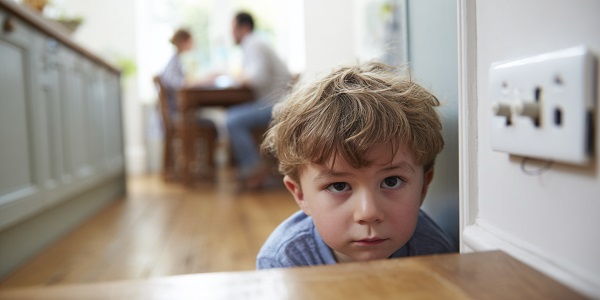
When most parents think about burn injuries, they imagine rare and dramatic events such as house fires or major electrical accidents. In reality, the majority of childhood burns occur during ordinary daily routines inside the home. These injuries are not usually caused by flames, but by hot liquids, overheated appliances, steam, bath water and heated surfaces that seem harmless in the moment.
In South Africa, scalds from hot drinks, bath water and cooking-related incidents account for a large percentage of paediatric burn cases treated in emergency departments. What makes these injuries particularly concerning is that they often happen in familiar spaces where parents feel relaxed and children feel comfortable exploring. The danger is not always obvious and that is precisely why it is so easy to overlook.
Understanding the hidden burn risks inside your home is one of the most effective ways to prevent serious injury.
Why Children Are More Vulnerable to Burn Injuries
Children’s skin is thinner than adult skin, which means heat penetrates more deeply and more quickly. A temperature that might cause mild redness in an adult can cause a deeper and more severe burn in a baby or toddler. In addition to this physical vulnerability, young children lack the cognitive awareness to recognise danger and the motor coordination to withdraw quickly from heat.
Developmental milestones significantly change risk levels. A baby who has just started crawling can suddenly access heaters and cords. A toddler who has learned to climb can reach kitchen counters that previously seemed safely out of reach. Preschoolers are naturally curious and may imitate adult behaviour, reaching toward kettles, irons or braais without understanding the consequences.
Burn prevention, therefore, requires parents to think ahead of their child’s developmental stage rather than reacting after an accident has occurred.
The Kitchen: The Primary Location for Household Burns
The kitchen remains the most common setting for childhood burn injuries. In many South African homes, hot beverages are consumed throughout the day and it only takes a second for a child to pull a cup down onto themselves. A mug placed near the edge of a table, or a handle positioned outward, creates an easy opportunity for a curious hand.
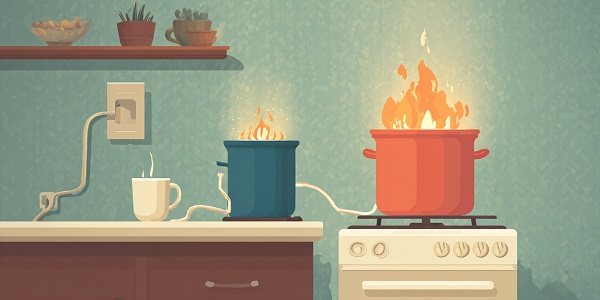
Pot handles extending beyond the stove edge present another serious risk. A child brushing past or reaching upward can pull boiling water, soup or hot oil directly onto their body. Even turning briefly to answer a phone call can create a moment of vulnerability.
Kettles are particularly hazardous when cords hang within reach. Electric kettles, pressure cookers and air fryers also remain hot long after use and parents may underestimate how long surfaces stay capable of causing injury.
Microwaved food can also be deceptive. Liquids often heat unevenly, which means a bottle that feels warm on the outside may contain dangerously hot contents inside. Without careful stirring and testing, scald injuries can occur quickly.
The kitchen does not need to be chaotic to be dangerous. It only needs a single overlooked detail.



Bathroom Hazards: Geysers and Scald Risks
Bathrooms are often associated with cleanliness and routine, yet they are a frequent source of serious scald injuries. In South Africa, geyser temperatures are sometimes set above recommended safety levels. Water above 60 degrees Celsius can cause significant burns within seconds, particularly in infants whose skin is extremely delicate.
Bath time accidents often occur when a tap is turned on without checking the temperature carefully. A sudden surge of hot water can cause immediate harm before a parent has time to react. It is recommended that geysers be set below 50 degrees Celsius to reduce this risk.
Hair styling appliances such as straighteners and curling irons introduce additional danger. These tools remain hot for several minutes after being switched off and may be left on low counters within reach of toddlers. Steam from showers or hot taps can also contribute to scald injuries in small children.
Because bathrooms feel contained and controlled, the risks may not receive the attention they deserve.
Heating, Load Shedding and Living Area Risks
During colder months, portable heaters, fireplaces and gas heaters are commonly used in South African homes. These devices can cause both contact burns and fire hazards if not positioned carefully. Children playing nearby may accidentally touch hot surfaces or stumble into heating elements.
Load shedding has introduced further risks through the use of candles and paraffin lamps. Candles placed on coffee tables or near curtains can easily be knocked over by children or pets. Paraffin appliances, if unstable, can spill and cause severe burns.
Electric blankets, especially older models, may malfunction or overheat. Young children may not communicate discomfort quickly enough to prevent injury.
These risks are often seen as temporary or seasonal, yet they contribute significantly to household burn incidents.



ALSO READ: Burns: how to treat them at home & what you should NEVER do
Outdoor Spaces and Braai Culture
Braais are a valued part of family life in South Africa, but they carry substantial burn risks for children. Hot coals remain dangerous long after cooking ends and metal surfaces retain heat for extended periods. Children running, playing or chasing a ball near a braai area may fall against or into hot surfaces before adults can intervene.
Unlike indoor cooking, braais often take place during social gatherings when attention is divided. This reduced supervision increases risk.
Establishing clear physical boundaries around braai areas and ensuring coals are completely extinguished are simple but critical safety measures.
Electrical and Hidden Everyday Hazards
Electrical burns may occur when children pull down appliances, chew cords, or insert objects into sockets. Overloaded extension cords increase the likelihood of both electrical shock and heat-related injury. Even when skin damage appears minor, internal injury may have occurred, making medical assessment essential.
Other everyday items are rarely considered hazardous but can cause injury. Irons left cooling on accessible surfaces, steam from ironing, leaking hot water bottles and even sun-heated metal car seat buckles can cause burns under the right conditions.
The common factor across these scenarios is not open flame, but exposure to excessive heat.
Creating a Safer Home Environment
Reducing the hidden burn risks inside your home requires consistent awareness rather than dramatic changes. Adjusting geyser temperatures, turning pot handles inward, keeping hot drinks away from edges, securing cords and supervising children near heat sources are small but powerful interventions.
One practical approach is to assess your home from your child’s physical height. Kneel and look around. What surfaces are reachable? What cords hang within grasp? What objects remain hot longer than expected?
Burn prevention is ultimately about anticipation. When parents learn to see their environment through a child’s perspective, many hidden dangers become visible.
When to Seek Medical Care
If a burn is larger than the child’s palm, involves the face, hands, feet or genital area, appears white or charred, or results from electricity or chemicals, immediate medical attention is required. In South Africa, emergency services can be contacted by calling 10177 or through local private emergency providers.
Prompt first aid and early medical assessment significantly improve outcomes and reduce long-term complications.
CHECK OUT: How to Handle Burns in Kids from First Aid to Recovery
Final Reflection
The hidden burn risks inside your home are rarely dramatic or obvious. They are woven into daily habits and familiar routines. A kettle is placed too close to the edge. A geyser is set slightly too high. A candle used during a power outage. A braai enjoyed with friends. By recognising these risks and making small, intentional adjustments, parents can significantly reduce the likelihood of injury while maintaining a warm and welcoming family environment.
