







Every year on 3 March, the world marks World Birth Defects Day. It is not a loud awareness day filled with celebrations and trending hashtags. Instead, it is quieter than that. It is more serious and urgent.
This day deserves attention because behind the statistics are families and children whose lives are shaped from the very beginning. However, many birth defects are preventable and can be detected early. Families simply need better information and support.
What Is World Birth Defects Day?
World Birth Defects Day is a global awareness campaign supported by organisations such as the World Health Organization and the Centers for Disease Control and Prevention. Its aim is simple but powerful: raise awareness, improve prevention and strengthen care.
Birth defects, also known as congenital anomalies, are structural or functional conditions that develop during pregnancy. Some are visible at birth and others are detected later through screening. They can affect the heart, brain, spine, limbs or other organs. They are more common than many people realise.
Why This Awareness Day Matters More Than You Think
Birth Defects Affect Millions of Families
Globally, hundreds of thousands of babies are born each year with serious congenital conditions. In many cases, families are unprepared. There is shock, fear and questions without immediate answers. World Birth Defects Day creates space for conversation, which, in turn, reduces stigma. When we speak openly about congenital conditions, we move away from blame and towards support.
Prevention Starts Before Pregnancy
Prevention does not begin at the first scan; it begins before conception. Folic acid supplementation before and during early pregnancy significantly reduces the risk of neural tube defects, while managing chronic conditions such as diabetes, avoiding alcohol and harmful substances and receiving proper vaccinations all play an important role. These are not complicated steps, but they require awareness. World Birth Defects Day reminds future parents that preparation matters.
Early Screening Saves Lives
Modern medicine has transformed prenatal screening. Ultrasound scans and genetic testing can detect certain conditions early, allowing families to prepare emotionally and medically. It is like checking the foundation before building a house: the earlier you identify a crack, the easier it is to reinforce. In countries where access to screening is limited, the risk of late detection remains high, which is why awareness continues to drive calls for better healthcare access and stronger maternal services.
The Emotional Impact on Families
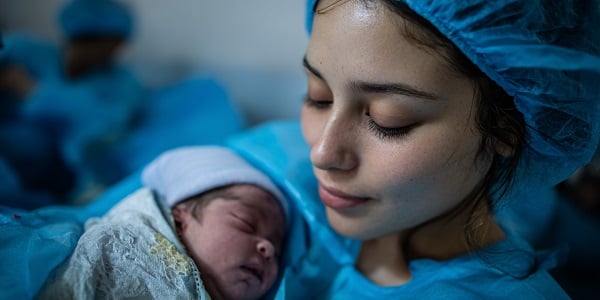
When a child is born with a congenital condition, life shifts instantly. There may be surgeries, ongoing therapies, hospital visits, financial pressure and emotional strain. However, there is also resilience, adaptation and deep love. World Birth Defects Day is not about fear; it is about acknowledging both the challenges and the strengths of families navigating them. Support networks, counselling and community resources make a profound difference. No parent should feel isolated.
Breaking the Stigma Around Congenital Conditions
In some communities, birth defects are still surrounded by myths and misunderstandings. Families may experience guilt or social judgement. Awareness replaces misinformation with science. Most congenital conditions are not caused by something a parent did wrong. Many occur due to complex genetic or environmental factors. Education reduces shame and encourages families to seek care without hesitation.
What Can You Do on 3 March 2026?
You might be wondering. How does this affect me? Even if you are not expecting a child, you can still help.



Share reliable information about prenatal health. Encourage friends planning a pregnancy to consult healthcare providers early. Support organisations working in maternal and child health. Talk openly about congenital conditions to reduce stigma. Small actions ripple outward.
Birth Defects and Public Health
Governments and healthcare systems play a crucial role in prevention and care. Policies that support maternal nutrition, vaccination programmes and accessible prenatal screening directly reduce risk. Public health campaigns are like road signs. They guide behaviour before danger appears. World Birth Defects Day shines a spotlight on the need for stronger healthcare systems and equal access to services.
Frequently Asked Questions
When is World Birth Defects Day 2026 observed?
World Birth Defects Day is observed on 3 March 2026.
What causes birth defects?
Birth defects can result from genetic factors, environmental exposures, infections during pregnancy or a combination of these. In many cases, the exact cause is unknown.
Can birth defects be prevented?
Some birth defects can be prevented through proper nutrition, folic acid supplementation, avoiding harmful substances and managing chronic conditions before and during pregnancy.
Why is folic acid important?
Folic acid helps prevent neural tube defects which affect the brain and spine. Taking it before and during early pregnancy significantly reduces risk.
How can families get support after diagnosis?
Families can seek support from healthcare professionals, specialised clinics, counselling services and community organisations focused on congenital conditions.
Conclusion: Awareness Is the First Step
Why World Birth Defects Day 2026 deserves attention this 3 March comes down to one thing. Knowledge changes outcomes. When families are informed, risks are reduced. When communities are educated, stigma fades. When healthcare systems prioritise prevention and early care, lives are strengthened. This 3 March, do not scroll past the conversation. Engage with it. Share it. Act on it. Because awareness today can shape healthier tomorrows.



ALSO READ: Childhood Illnesses Glossary: Over 100 Essential Terms and Definitions
