








Should You Limit Fruit for Kids? What Parents Need to Know

by The Conversation
Should You Limit Fruit for Kids? What Parents Need to Know

Many parents wonder whether they should limit fruit because of the sugar their children consume, especially with so many mixed messages about “good” and “bad” sugars. It’s easy to feel confused when fruit is both praised as a superfood and questioned for sweetness. The truth is more balanced - yes, fruit contains sugar, but it also offers fibre, vitamins and nutrients that growing kids genuinely need. The key isn’t to limit fruit harshly, but to understand how it fits into a healthy, varied diet writes Nick Fuller, University of Sydney.

READ THIS ARTICLE FOR FREE!

Let’s be honest! Parenting isn’t all cuddles and cupcakes. It’s also chaos, coffee and Googling “is it normal if my toddler eats crayons?” at 2AM. That’s why we built a BabyYumYum Membership Subscription – your smart, supportive sidekick for the messy, magical ride of parenting.

When you join, you unlock:
🚀 Expert advice without the boring bits
💡 Real stories, real laughs, real connection
📘 Downloads, checklists & life-saving parenting tips
💝 Exclusive discounts and benefits for you and your family

Because raising tiny humans is hard work but with the right team (that’s us!), it gets a whole lot easier.

Parents are often told fruit is “bad” because it contains sugar, prompting concerns about how much fruit they should allow their child to eat.

This message has been fuelled by the “sugar-free” movement, which demonises sugar with claims it’s fattening and causes diabetes. The movement promotes arbitrary lists of foods to avoid, which often include kids’ favourites such as bananas and berries.

But like many claims made by the diet industry, this one isn’t backed by evidence.

Naturally occurring versus added sugars

Sugar itself isn’t inherently harmful, but the type of sugar kids eat can be.

The good news is whole fruits contain naturally occurring sugars that are healthy and provide kids with energy. Whole fruits are packed with vitamins and minerals needed for good health. This includes vitamins A, C, E, magnesium, zinc and folic acid. All fruits are suitable – bananas, berries, mandarins, apples and mangoes, to name just a few.

The insoluble fibre in fruit skins also helps kids stay regular, and the soluble fibre in fruit flesh helps keep their cholesterol in a healthy range, absorbing “bad” cholesterol to reduce their long-term risk of stroke and heart disease.

Added sugars – which add calories but no nutritional value to kids’ diets – are the “bad” sugars and the ones to avoid. They’re found in processed and ultra-processed foods kids crave, such as lollies, chocolates, cakes and soft drinks.

Added sugars are often added to seemingly healthy packaged foods, such as muesli bars. They’re also hidden under 60-plus different names in ingredient lists, making them hard to spot.

Sugar, weight and diabetes risk

There’s no evidence backing claims that sugar directly causes diabetes.

The Lily Rose Collection
BYY Premium Bennetts Hamper Givaway
PregOmega Platinum Launch
The Lily Rose Collection
BabyYumYum Premium Membership

Type 1 diabetes is an autoimmune disease that can’t be prevented or cured and has no connection to sugar consumption. Type 2 diabetes is typically caused when we carry excess body weight, which stops the body from working efficiently, not sugar intake.

However, a diet high in added sugars – found in many processed, ultra-processed foods (for example, sweet and savoury packaged snacks) – can mean kids consume excess calories and gain unnecessary weight, which may increase their chance of developing type 2 diabetes as they get older.

On the other hand, research shows that kids who eat more fruit have less abdominal fat.

Research also shows fruit can reduce the risk of type 2 diabetes, with one study finding kids who ate 1.5 servings of fruit daily had a 36% lower risk of developing the disease.

Nutritional deficiencies

A diet high in added sugars can also result in nutritional deficiencies.

Many processed foods offer low-to-no nutrition, which is why dietary guidelines recommend limiting them.

Kids filling up on these foods are less likely to eat vegetables, fruits, whole grains and lean meats, producing a diet lacking in fibre and other key nutrients needed for growth and development.

But these “discretionary foods” make up one-third of Aussie kids’ daily energy intake.

BYY Premium Bennetts Hamper Givaway
BabyYumYum Premium Membership
The Lily Rose Collection
PregOmega Platinum Launch

My advice? Give kids fruit in abundance

There’s no need to limit how much whole fruit kids eat – it’s nutritious, filling and can protect their health. It’s also going to fill them up and reduce their desire to scream out for the processed, packet food that is low in nutrition, and calorie-rich.

Just go easy on juiced and dried fruits because juicing leaves the goodness (the fibre) behind in the juicer, and drying strips fruits of their water content, making them easy to overconsume.

The nutritional guidelines recommend just two serves of fruit a day for those nine years of age and older, 1.5 serves from 4-8, one serve from 2–3, and half a serve from 1–2 years. But these guidelines are dated and need to be changed.

We do need to reduce kids’ sugar consumption. But this needs to be achieved by reducing their intake of processed foods that contain added sugars, rather than fruit.

Added sugars aren’t always easy to spot, so we should focus on reducing kids’ consumption of processed and packet foods and teaching them to rely on fruit – “nature’s treats” – as a way to keep unhealthy sugars out of their diets.

Nick Fuller is the author of Healthy Parents, Healthy Kids – Six Steps to Total Family Wellness.The Conversation

Nick Fuller, Clinical Trials Director, Department of Endocrinology, RPA Hospital, University of Sydney

This article is republished from The Conversation under a Creative Commons license. Read the original article.
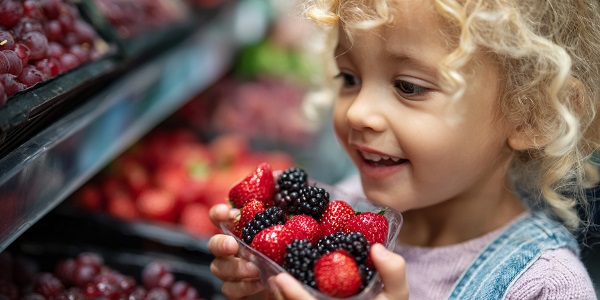

Should You Limit Fruit for Kids? What Parents Need to Know

BabyYumYum FAQ’s: Should You Limit Fruit for Kids

Is it healthy for kids to eat fruit every day?

Yes. Fruit is packed with vitamins, minerals, fibre, and antioxidants, all of which support healthy growth, digestion and immunity.

Can kids have too much fruit?

Yes, but it’s uncommon. Fruit contains natural sugars, so very large amounts may cause tummy discomfort, diarrhoea or contribute to excess sugar intake if eaten instead of balanced meals.

Is fruit juice the same as whole fruit?

No. Fruit juice is higher in sugar and lower in fibre. Whole fruit keeps kids full for longer and prevents sugar spikes. Limit juice to small occasional servings, preferably diluted.

Are some fruits healthier for kids than others?

All fruits offer benefits. Berries, apples, pears, oranges, and melons are great choices. Dried fruit is nutritious but concentrated in sugar, so serve it in small amounts.

Should I avoid fruit because of sugar?

No. The natural sugars in whole fruit come with fibre, vitamins and water, making them far healthier than added sugar found in snacks and drinks.

What if my child only wants fruit and nothing else?

Encourage balance by offering fruit after meals, not instead of meals. Pair fruit with protein or fat like yoghurt or nut butter to keep kids full.

Can too much fruit affect my child’s teeth?

Frequent fruit snacks, especially dried fruit or juice, can increase the risk of tooth decay. Encourage good brushing habits and offer fruit with meals rather than constant grazing.

Is it okay to give fruit as snacks?

Yes, fruit makes an excellent snack. Just avoid replacing every snack with fruit, mix it up with veggies, whole grains, dairy or protein foods.

What if my child refuses vegetables but loves fruit?

Use fruit as a bridge. Try combining veggies with fruit flavours, like spinach in smoothies or carrots with apples. Keep offering vegetables calmly and consistently.

Do children with diabetes need limited fruit?

They may need guidance on portions and lower-GI fruit, but fruit is still allowed. Always follow advice from your child’s doctor or dietitian.

How do I encourage a healthy relationship with fruit?

Keep fruit visible and accessible, model balanced eating, and avoid labelling foods as “good” or “bad.” Teach children that fruit is part of a varied, colourful diet.


Disclaimer: This information is for general guidance and does not replace personalised medical or dietary advice. If you have concerns about your child’s nutrition, please consult a paediatrician or registered dietitian.

Get trusted, parent-approved advice at your fingertips. Premium Membership gives you expert guidance, real-world tips and member-only downloads. Try it out for unlimited access, exclusive content and helpful parenting tools.

Premium Content Membership

You may select only one level from this group.

Level Price Action
Trial Premium Membership

R 1.00 now and then R 29.00 per Month.

Select
Monthly Premium Membership

R 29.00 per Month.

Select
Annual Premium Membership

R 300.00 per Year.

Select
Sign up now to the BabyYumYum Premium Membership

Related Articles

Leave a Comment