






Being a new parent is a very polarising experience. Many people don’t want to hear any of the gory details until they are well into the swing of parenthood, while others ponder why they weren’t told the candid facts sooner.
No matter what type of parent you are, though, you can probably agree that there is always something to be learned. From milestone to milestone and day to day, there is always a new learning opportunity around the corner. So, we thought we would share some exciting facts, fascinations and falsehoods about baby skin that you may not know.
Facts
Baby skin is prone to rashes
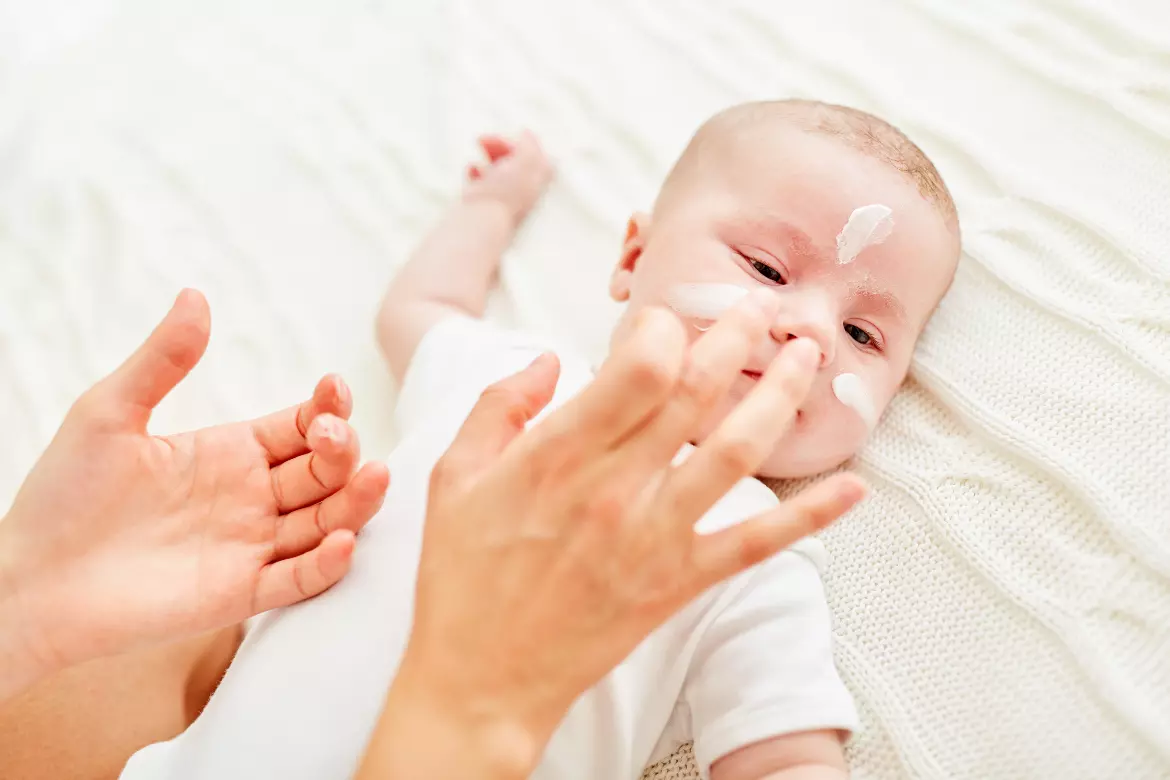
Unfortunately, baby skin is prone to rashes, dry patches and discolouration. Since their skin is more sensitive than an adult, babies often develop skin reactions that can be alarming. This is because their skin is adjusting to life outside of the womb. Baby dry skin, for instance, can often look unnerving but bear in mind that their skin is more delicate that adults.
There are different types of nappy cream
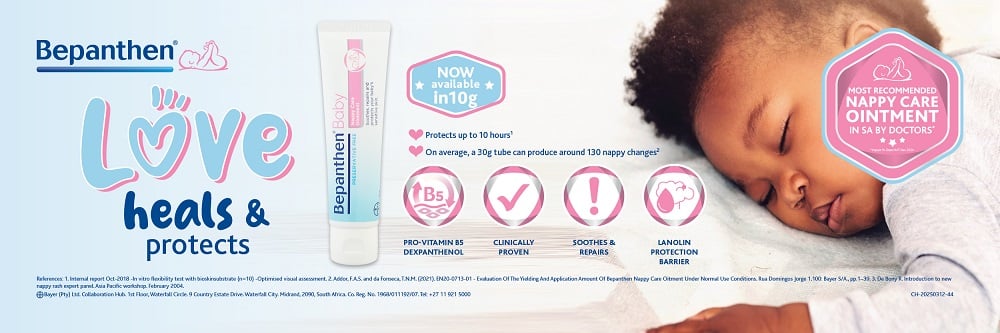
You may hear the term nappy cream pretty frequently as a parent, but what exactly does it mean? Nappy cream is a blanket term for creams that are applied to the bottom during a nappy change. However, did you know there are two main types of nappy creams? There is barrier cream which is a preventative method that helps to protect skin from moisture and nappy contents which can cause skin irritation. The other type is a therapeutic treatment that can soothe nappy rash, which has already flared up – working to neutralise pH and relieve inflammation.
Falsehoods
Your baby can get eczema at daycare
Eczema is a common skin problem that can make your baby’s skin inflamed, itchy, and even sore. But don’t worry, your baby didn’t catch this rash from anybody because it’s not contagious. While people believe eczema could be passed down from either parent, the truth is no one is sure why some children get it.
Babies who have eczema, have it for life
While eczema has no known cure, this doesn’t mean that your child will have it forever. Some well-known therapies that can soothe and relieve the symptoms; however, it tends to get better over time anyway. Often babies with eczema will outgrow it, and if not, it generally becomes milder into adulthood.
“It may take some trial and error, but most baby skincare brands will have a wide range tailored for different needs.”
Fascinations
What the heck is that weird goo your newborn is covered in?
Vernix is a wonderful substance contrary to its appearance. The thick, white layer your baby is born with is a protectant while they are developing in the womb – it’s basically your little one’s first body cream, blanket and skin protectant.
It’s not as cut and dried as you may think
Every skin is different. Just as you get into the swing of things, getting the daily application mastered, your baby’s skin may change. You may be happily using a rich moisturising lotion with no issues only to find baby’s skin develops a sensitivity – don’t worry, it’s totally normal.
It’s okay to switch over to a sensitive moisturiser or a fragrance-free lotion at any time. It may take some trial and error, but most baby skincare brands will have a wide range tailored for different needs. 
There is no formula for parenting because every day with your baby is an opportunity to learn and get to know their individual personality and needs. Try to take each day, milestone and hiccup as it comes.
FAQs: Baby Skin
Why is baby skin so sensitive?
A baby’s skin is thinner and more delicate than an adult’s, making it more prone to irritation, dryness, and sensitivity to environmental factors and products.

How often should I bathe my baby?
Newborns don’t need daily baths—2 to 3 times a week is usually enough. Overbathing can strip the skin of natural oils, leading to dryness. Also read Should you delay your baby’s first bath & how often should you bath a baby?
What products are safe to use on baby skin?
Look for fragrance-free, hypoallergenic products specifically designed for babies. Avoid anything with alcohol, harsh soaps, or strong fragrances.
Why does my baby have dry, flaky skin?
Dry skin is common, especially in newborns. It usually clears on its own, but applying a gentle, baby-safe moisturiser can help soothe it.
Is baby acne normal?
Yes, baby acne often appears in the first few weeks and typically clears up on its own without treatment. Avoid using adult acne products. Take a look at Baby Health 101: 6 Common Baby Ailments & How to Treat Them.
What’s the best way to treat nappy rash?
Keep the area clean and dry, change nappies frequently, and apply a protective barrier cream. Airing the area for short periods can also help healing.
Can I use sunscreen on my baby?
For babies under 6 months, it’s best to avoid direct sun and use shade and protective clothing. For older babies, use a baby-safe sunscreen with SPF 30+. Don’t miss: 5 tips to protect your family’s skin this summer.
How can I tell if my baby has eczema?
Eczema often appears as red, dry, or itchy patches, especially on the face, arms, or behind the knees. If you suspect eczema, consult your doctor for advice. Refer to Eczema in babies & children: the causes, symptoms and treatments.
What should I do if my baby develops a rash?
Monitor the rash for changes. Many rashes are harmless, but if it’s widespread, persistent, or accompanied by fever or swelling, seek medical advice.



Can baby skin conditions be a sign of allergies?
Yes, skin reactions such as hives, eczema, or unexplained rashes may be linked to food or environmental allergies. Speak to your paediatrician if concerned.
How do I protect my baby’s skin during winter?
Use a humidifier, apply a gentle moisturiser regularly, and avoid long, hot baths. Dress your baby in soft layers to prevent irritation.
Should I use talcum powder on my baby?
It’s generally not recommended, as inhaling talc particles can be harmful to a baby’s lungs. Stick to creams or ointments for moisture control.
Disclaimer: This information is intended for general guidance only and does not replace medical advice. Always consult a healthcare professional for any concerns about your baby’s skin health or if symptoms persist.
