



There are a number of vitamins that are necessary to help your child develop, grow and maintain good health – these are considered essential nutrients as, without them, the body wouldn’t be able to do things like convert food into energy, develop a functioning immune system, create red blood cells or repair cell damage. The easiest way to ensure your child’s nutritional needs are being met is through diet, and choosing foods and beverages that are high in the vitamins and minerals that are important for your child’s overall health, like:
Vitamin A
Vitamin A is crucial for normal growth and a healthy immune system – if your child were to suffer from a Vitamin A deficiency, they may be prone to infections. It also plays a role in skin health and eyesight, helping to prevent night blindness.
Good dietary sources of Vitamin A
Yellow fruit and vegetables like carrots and mango, egg yolk, vegetable oil, butter, salmon and liver.
Vitamin B
Sometimes referred to as the ‘building blocks of a healthy body’, there are 8 different B vitamins and they all contribute towards ensuring the body’s cells function as they should. These vitamins are necessary for proper brain development in children, for creating the protein haemoglobin in red blood cells, which carries oxygen around the body, as well as the body’s neurotransmitters like serotonin. The most important B vitamins for children are B1 (thiamine), B6 (pyridoxine) and B12 (cobalamin).
Good dietary sources of Vitamin B
Cheese, milk, eggs, chicken, red meat, fish, citrus fruits, bananas, chickpeas, peanuts, fortified cereals and breads.
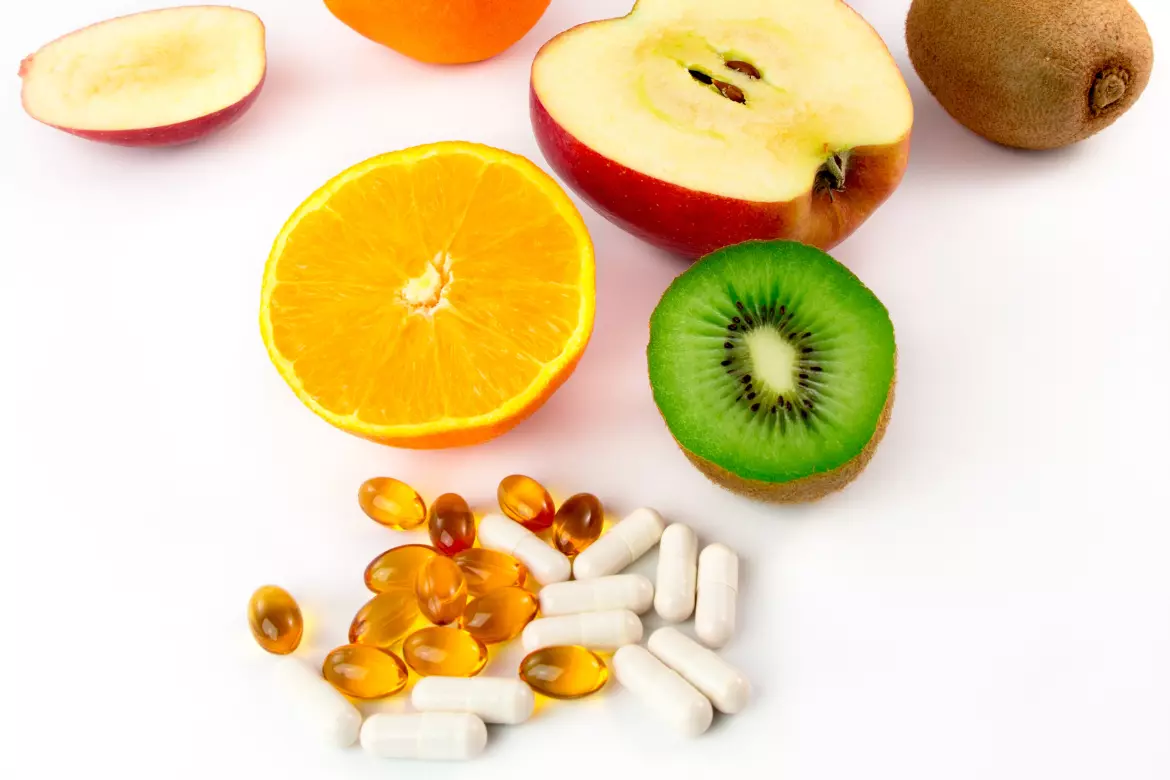
Vitamin C
Vitamin C plays a role in wound healing and helping your body fight off infection. It also aids in building muscle, collagen and cartilage, and keeps bones, teeth and gums healthy.
Good dietary sources of Vitamin C
Citrus fruits, apples, apricots, pineapple, potatoes, kiwi, strawberries, broccoli and peppers.
ALSO READ: Expert advice on how to deal with picky eaters
Vitamin D
If our skin receives enough direct sunlight, our bodies make most of the Vitamin D we need. Vitamin D is necessary to help you absorb calcium, which keeps bones strong – a deficiency can lead to diseases like rickets.
Good dietary sources of Vitamin D
Sunlight, fatty fish like salmon, mushrooms, egg yolk, tinned tuna, liver, spinach and margarine.
Vitamin E
Vitamin E is responsible for the development of healthy eyes and skin, and it boosts your immune system. It is a powerful antioxidant that protects cells from damage caused by free radicals and is considered particularly important for the health of babies born prematurely as it may help prevent some of the health problems associated with preterm deliveries, such as anaemia.
Good dietary sources of Vitamin E
Sunflower and canola oils, margarine, broccoli, spinach and nuts.




READ NEXT: Expert advice from a paediatrician on whether your child should take a multivitamin
Vitamin K
It is necessary for cardiovascular health, to build healthy bones and to allow your blood to clot. As very little Vitamin K passes through the placenta from mother to child, most babies are given a protective shot at birth. Signs of severe Vitamin K deficiency include easy bruising and excessive bleeding from wounds.
Good dietary sources of Vitamin K
Green leafy vegetables like kale, broccoli, cabbage and spinach, as well as pork, chicken, hard cheeses, avocado and prunes.
FAQs: Must-Have Vitamins for Your Child’s Health and Wellbeing
Why are vitamins essential for children’s health?
Vitamins are vital for a child’s growth, development, and overall health. They support immune function, bone strength, energy production, and brain development.
What are the most important vitamins for children?
Key vitamins for children include Vitamin A (for vision and immune health), Vitamin C (for immunity and skin health), Vitamin D (for bone and teeth strength), and B vitamins (for energy and brain function).
How can I ensure my child gets enough vitamins?
Offer a balanced diet with a variety of fruits, vegetables, whole grains, dairy, lean proteins, and healthy fats. Encourage them to try different foods to cover all essential nutrients.
Should my child take a daily multivitamin?
Most children can get the necessary vitamins from a well-balanced diet. However, a multivitamin may be beneficial for picky eaters or children with dietary restrictions. Consult your doctor before starting supplements.
What are good sources of Vitamin D for children?
Vitamin D can be found in fatty fish (e.g., salmon), egg yolks, fortified milk, and cereals. Sunlight is also a natural source, but ensure safe exposure.
What happens if my child doesn’t get enough vitamins?
Vitamin deficiencies can lead to health problems like weakened immunity, fatigue, poor growth, and developmental delays. For example, a lack of Vitamin D can cause rickets, while a lack of Vitamin C may lead to slow healing.
Are there risks to giving my child too many vitamins?
Yes, over-supplementation can be harmful. For instance, too much Vitamin A can cause toxicity, leading to nausea or liver damage. Always stick to recommended dosages.
How can I make sure my child eats enough fruits and vegetables?
Incorporate fruits and vegetables into meals creatively. Add them to smoothies, sauces, or as snacks with dips like hummus. Offer a variety to make them more appealing.
Is Vitamin C necessary every day?
Vitamin C is water-soluble and not stored in the body, so it’s important to include sources like citrus fruits, strawberries, or broccoli in your child’s diet daily.
How can I boost my child’s immune system with vitamins?
Focus on immune-supporting vitamins like Vitamin C, Vitamin D, and Zinc. Include foods like oranges, spinach, fortified milk, and nuts to strengthen their immunity.
What should I do if my child has a food allergy or intolerance?
If your child is allergic to certain food groups, consult a healthcare provider about suitable dietary replacements or supplements to ensure they receive adequate vitamins.
How do I know if my child needs a vitamin supplement?
Signs of deficiency include fatigue, weak immunity, poor growth, or difficulty concentrating. If you suspect a deficiency, consult a doctor who can recommend testing or supplements if needed.
