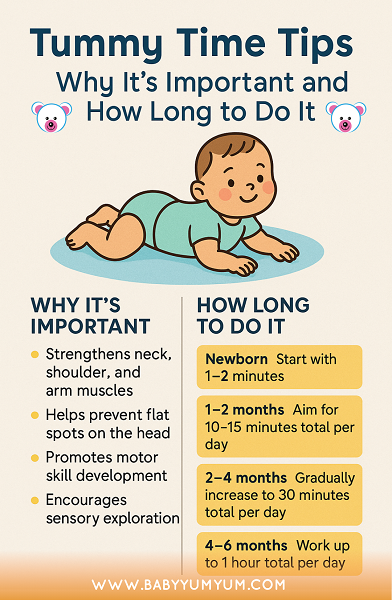



Tummy time is one of the first developmental practices parents are encouraged to introduce. From the moment your baby comes home, you’ll hear about its benefits, such as stronger neck muscles, better motor control and a reduced risk of flat head syndrome.
Despite these benefits, what happens when your baby hates it? What happens when every attempt ends in tears, arching, or complete shutdown?
This isn’t just a parenting frustration; it’s a developmental nuance that deserves more attention. While tummy time is important, it doesn’t work the same way for every baby. As a parent, you shouldn’t view that as failure; it’s actually feedback.
What is Tummy Time and Why is it Recommended?
Tummy time refers to placing your baby on their stomach while they’re awake and supervised. It’s designed to counterbalance the time they spend lying on their backs, especially during sleep. According to Medical News Today, this position helps babies develop upper-body strength, coordination, and motor control. It also reduces the risk of positional plagiocephaly, flat spots on the head caused by prolonged pressure on the skull.
The World Health Organization recommends tummy time as part of its guidelines for physical activity in children under five. The goal is to encourage movement and reduce sedentary behaviour from infancy. Similarly, the American Academy of Pediatrics supports tummy time as a way to promote motor development and prevent delays. The Association of Paediatric Chartered Physiotherapists also offers practical guidance for parents, especially in the wake of the “Back to Sleep” campaign, which increased the time spent lying on the back.
In short, tummy time isn’t just about hitting milestones; it’s about building the physical foundation for rolling, crawling, sitting and eventually walking.
However, what’s often missing from the conversation is the emotional and sensory experience of the baby. While the benefits are clear, the process isn’t always smooth.
ALSO READ: Getting To Grips With Gripes: Understanding Your Baby’s Tummy Troubles





Why Tummy Time Doesn’t Work for Every Baby
Many babies resist tummy time. In fact, Early Years TV reports that up to 70% of babies initially dislike it. That resistance isn’t stubbornness; it’s physiology. Newborns have weak neck and shoulder muscles, so lying face down can feel like a vulnerable, gravity-defying struggle. Some babies cry, arch their backs, or go rigid. Others simply shut down, disengaging from the experience entirely.
If your baby is not welcoming to the experience, it doesn’t mean they are behind. It means they need a gentler, more responsive approach.
Some babies are more sensitive to pressure on their abdomen. Others may have reflux, gas, or colic that makes the position uncomfortable. For babies with neurodivergent profiles, such as those later diagnosed with autism or sensory processing differences, tummy time can feel overstimulating or distressing.
Specialist paediatrician, Dr Raphaela Itzikowitz, tells BabyYumYum.com, “Mild fussing, short bursts of frustration, or attempts to roll away are normal. This reflects the baby’s developing tolerance and core strength, as tummy time requires effort from the neck, shoulders, and trunk and integration of early motor reflexes. In contrast, signs of true distress or sensory overload include stiffening the limbs, arching the back, turning the head away, rapid breathing, pale or flushed skin, or crying that doesn’t settle with gentle reassurance.”
She continues:
“The key distinction is recovery: if the baby can calm quickly with voice, touch, or a position change, it’s typical frustration; if the crying escalates or the baby cannot re-engage, pause the activity and reintroduce tummy time gradually in shorter, supportive bursts.”
The Emotional Layer: What Your Baby is Telling You
Babies communicate through movement, sound and stillness. When a baby resists tummy time, they’re not rejecting development; they’re expressing a need. That need might be for comfort, for a slower pace, or for a different kind of support.
Responsive parenting means listening to those cues. It means adapting the practice to suit your baby’s body, temperament and emotional state.
There’s also a psychological layer for parents. When tummy time doesn’t go well, it can trigger feelings of guilt, anxiety, or inadequacy. You might wonder if you’re doing something wrong, or if your baby is falling behind. However, development isn’t linear, and it’s not a race.
ALSO READ: Tummy troubles are common in little ones
Alternatives and Adaptations That Respect Your Baby’s Cues
If traditional tummy time isn’t working, there are ways to adapt without abandoning the goal. The key is to build trust and comfort first, then strength.
Here are responsive alternatives:
- Start with chest-to-chest contact: Let your baby lie on your chest while you recline. This builds trust and strength without the floor.
- Use a rolled towel or nursing pillow: Elevating the chest slightly can reduce strain and make the position more tolerable.
- Try tummy time on your lap or across your legs: Movement and warmth can soothe resistance.
- Keep sessions short and frequent: Even 1–2 minutes several times a day can make a difference.
- Follow your baby’s lead: If they’re distressed, pause. If they’re curious, extend.
These adaptations aren’t shortcuts, but developmental bridges. They help your baby build the same muscles and coordination, but in ways that feel safer and more emotionally attuned.
“Responsive care builds trust far more than rigid routines ever could. When you tune in to your baby’s cues and adjust the experience, you’re shaping their brain’s wiring for safety and connection. Each moment of attuned care calms the amygdala, strengthens pathways between the limbic system and prefrontal cortex, and teaches the nervous system that challenges can be met with comfort, not stress. This sense of safety becomes the foundation for curiosity, resilience, and confident exploration.” Dr Itzikowitz explains.
When to Seek Support
If your baby consistently resists tummy time and adaptations don’t help, it’s worth checking in with a paediatrician or pediatric occupational therapist. They can assess for physical discomfort, muscle tightness, or sensory sensitivities that might be contributing.
Early intervention isn’t about labelling; it’s about support. Sometimes, a small adjustment in technique or positioning can make a big difference.
You can also explore baby massage, gentle stretching, or movement-based play to support motor development in other ways. The goal is always the same: you’re helping your baby build strength, coordination and confidence.
Final Thoughts: It’s Not a Test, It’s a Conversation
Tummy time is valuable, but it’s not a test. If your baby resists, it’s not a reflection of your parenting or their potential. It’s a moment to tune in, adapt, and trust that development unfolds in many ways.
Milestones are guideposts, not deadlines. It is important to consider your baby’s emotional experience because that matters just as much as their physical progress.
So if tummy time feels like a battle, pause, reconnect and try again later. Or even try something different. The most powerful developmental tool you have isn’t a position, it’s your presence.