


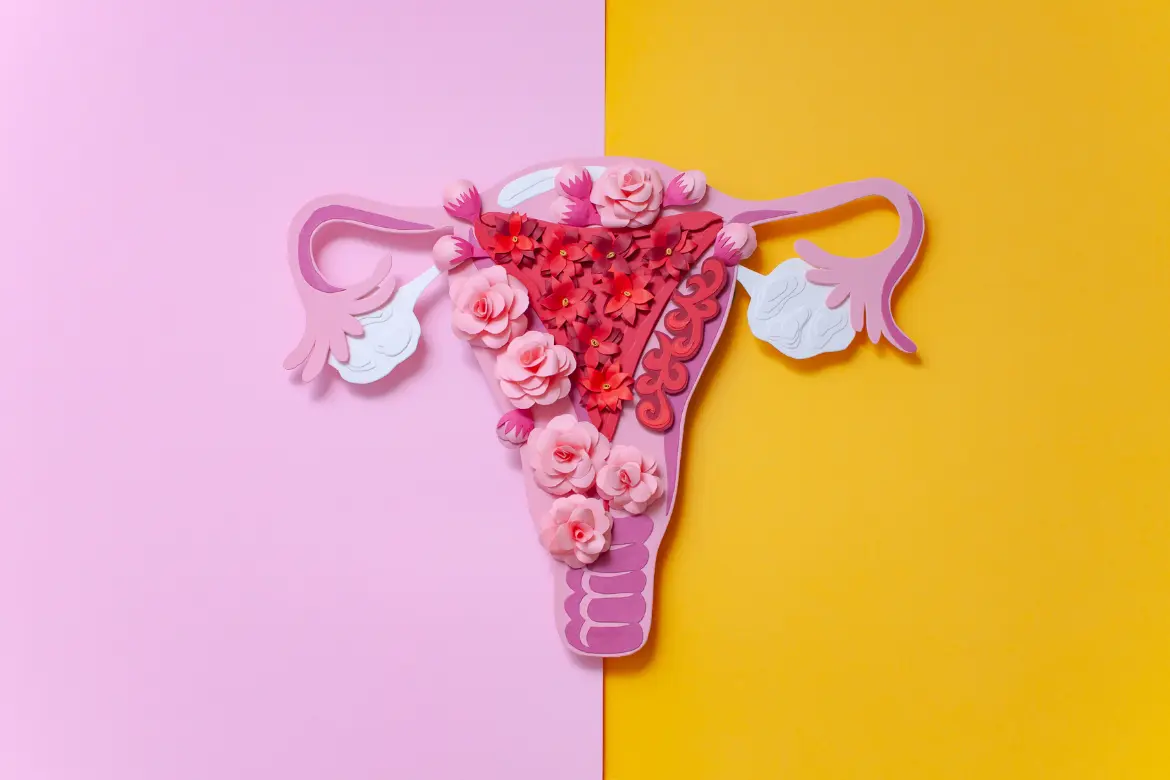
Endometriosis is one of the most common chronic gynaecological disorders, affecting an estimated 10% of women in the reproductive age group (usually 15 to 49 years old).
It is defined as the growth of endometrial-like tissue (the inner lining of the uterus) outside the uterus. Although its exact cause is unknown, it is mediated by hormonal factors where oestrogen stimulates growth and is believed to be due to retrograde menstruation (menstrual blood flowing back into the body during a period).
It is a long-term condition causing pelvic pain, painful periods, infertility and other symptoms that affect a woman’s quality of life. Research has shown that 38% of women with infertility and 87% of women with chronic pelvic pain have underlying endometriosis.
How to live with endometriosis
The most common symptom of endometriosis is pain. Living with endometriosis might mean that you struggle with lower abdominal pain, painful periods and/or painful sex.
The main focus is to alleviate that pain. Pain management is an important part of managing the condition but avoids the use of hormones so it does not prevent the growth of endometriosis. One can start off with paracetamol and add NSAIDs (non-steroidal anti-inflammatory drugs) if needed. Hormonal treatments are often added to the pain management plan to act on the endometriosis and stop its growth. They can put the woman into a pseudopregnancy (false pregnancy). Pregnancy is characterised by higher levels of progesterone, thus taking progestogens (the synthetic form of progesterone) mimics the state of pregnancy. During pregnancy, the endometrium is thin and also inactive.
Drugs used that mimic pregnancy:
- Combined oral contraceptive pill
- Progestogens
- Mirena IUS®
Surgery can be used to diagnose the disease, and alleviate pain by removing the endometriosis, dividing adhesions or removing cysts. Surgery is also used to diagnose the disease and can be used to improve fertility.
How can endometriosis affect my fertility?
Although endometriosis can have an effect on your chances of getting pregnant, most women who have mild endometriosis are not infertile. An estimated 70% of women with mild to moderate endometriosis will get pregnant without treatment.
The exact nature of the link between infertility and endometriosis is unclear but the severity of the condition and location of the tissue appear to have an effect. It seems that the inflammation and irritation caused by the endometriosis are the cause of infertility.
Inflammation of the fimbria, the part of the fallopian tube that picks up the egg and transports it, causes swelling and scarring so the egg may not reach its destination. It has also been found that the inflammation damages the sperm and eggs when they are exposed to the unfriendly environment caused by the endometriosis. In more severe cases, the endometriosis starts to cause adhesions (scar tissue), and the pelvic organs become stuck to each other, resulting in decreased function.
Living with endometriosis can be very difficult. You could struggle with chronic pain, which can cause sexual dysfunction, lead to a lot of relationship problems and decrease your fertility. It is important to talk to your partner so that you can deal with this together and talk to your doctor to get the necessary treatment.
YOU MAY ALSO LIKE
Endometriosis can affect fertility, but there are treatments available. Learn what endometriosis is, how it impacts conception, and the options for managing it.