


Whether you’re travelling, living in a high-risk area, or just want to be informed—understanding malaria is essential. This mosquito-borne disease affects millions each year, and yet many people still don’t know the basics. From how it’s spread to how it’s treated, having the right knowledge can make all the difference. Let’s break it down simply and clearly. By Tshepy Matloga-Malope
Malaria continues to be a significant global health concern, particularly in sub-Saharan Africa, where it accounts for a high number of deaths each year.
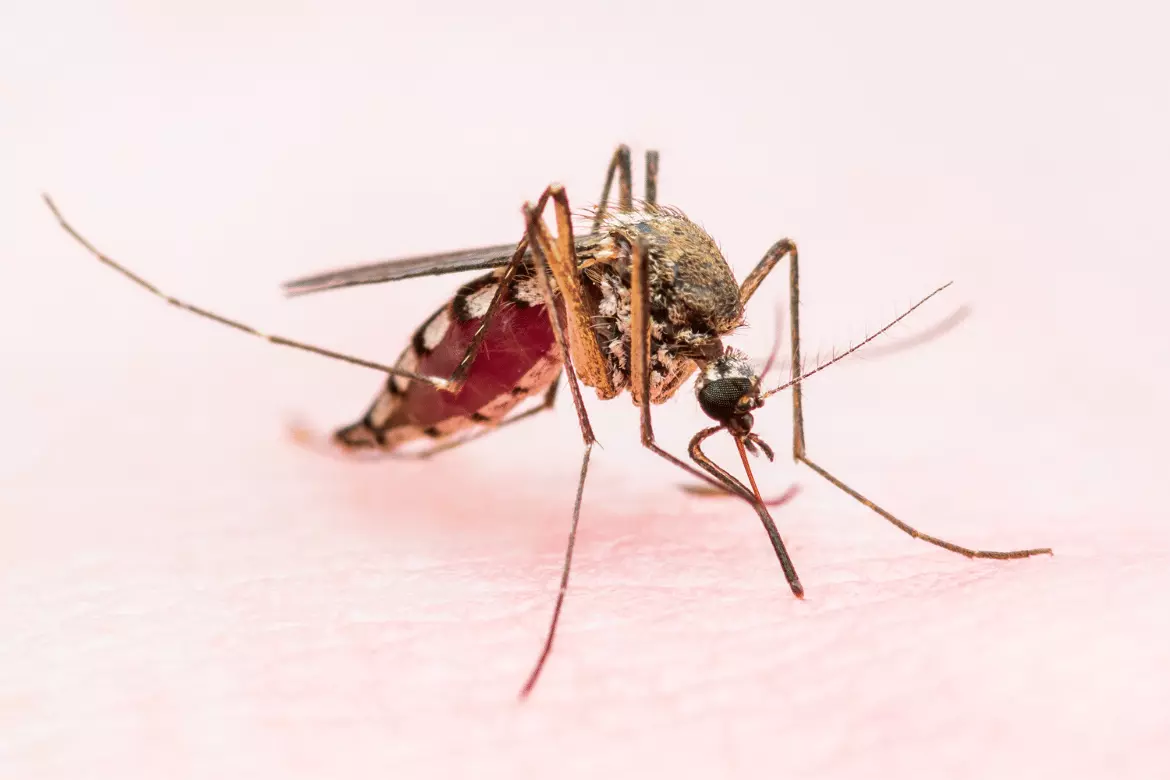
In South Africa, high-risk provinces include Limpopo, Mpumalanga, and Kwa-Zulu Natal, as they share international borders. Malaria parasites are transmitted from person to person through the bite of malaria-infected female Anopheles mosquitoes. Understanding the prevention, cure, vaccination, symptoms, and treatment options available is vital to combating this debilitating disease.
Symptoms
Malaria symptoms can vary depending on the severity of the infection. Common symptoms include fever, chills, headaches, muscle aches, fatigue, and nausea. In severe malaria, the main symptoms are jaundice, lack of consciousness, inability to sit or stand up unassisted, respiratory distress, and several other clinical symptoms.
Dr. Jaishree Raman, principal medical scientist and head of laboratory at the National Institute of Communicable Diseases (NICD), emphasizes the importance of recognizing early symptoms and seeking medical attention promptly. This is particularly crucial for pregnant women, young children, and individuals with compromised immune systems, as they are more susceptible to severe complications.
Prevention
Preventing malaria is crucial in regions where the disease is prevalent. In South Africa, the main preventative measures include using insecticide-treated bed nets, residual indoor spraying, and taking antimalarial medication. Dr. Raman emphasizes the importance of using bed nets treated with long-lasting insecticides, as they have been proven effective in reducing malaria transmission.
“Chemoprophylaxis and non-pharmaceutical measures (insecticide repellents containing at least 30% DEET, long-sleeved shirts and long trousers when outdoors at night, screen windows and doors) are some of the measures people can take to prevent themselves from getting malaria,” He says. Additionally, indoor spraying is conducted regularly in high-risk areas to control the mosquito population.
CLICK HERE FOR 5 MALARIA-FREE GAME RESERVES
Cure and vaccination
Currently, there is no definitive cure for malaria. However, early detection and prompt treatment can effectively manage the disease and improve patient outcomes. Antimalarial medications, such as artemisinin-based combination therapy (ACT), are commonly used to treat malaria infections. These medications work by targeting the parasite responsible for the disease.
Twelve countries across different regions in Africa are set to receive 18 million doses of the first-ever malaria vaccine over the next two years. The RTS,S/AS01 vaccine has been administered to more than 1.7 million children in Ghana, Kenya and Malawi since 2019 and has been shown to be safe and effective, resulting in both a substantial reduction in severe malaria and a fall in child deaths.
“The new malaria vaccine is a major advance, and with South Africa aiming to stop local transmission by 2030, there are efforts to ensure early detection and treatment of malaria carriers through malaria surveillance in high-risk communities,” says Raman.
Treatment
South Africa has made significant progress in combating malaria through its comprehensive healthcare system. Malaria diagnostics and treatment are widely available in high-risk areas. According to Dr. Raman, the mainstay of treatment in South Africa is artemisinin-based combination therapy (ACT), which has proven to be highly effective.




Dr. Raman says, “We have very effective antimalarials in South Africa; for uncomplicated malaria, the treatment is an artemisinin-based combination therapy known as artemether-lumefantrine. It is given in six doses over three days, and if the course is completed and taken with fatty food, it works very well. For severe malaria, the treatment is IV artesunate.”
Malaria remains a formidable challenge, necessitating ongoing efforts to prevent, detect, and treat the disease effectively. Utilising prevention measures such as bed nets and indoor spraying, along with access to antimalarial medications, plays a vital role in reducing transmission rates. By raising awareness and providing comprehensive healthcare services, South Africa aims to control and ultimately eliminate malaria in the country.
FAQS: Malaria
What is malaria?
Malaria is a serious disease caused by parasites transmitted to humans through the bite of infected female Anopheles mosquitoes. It can be life-threatening if not treated promptly.
What are the symptoms of malaria?
Common symptoms include fever, chills, sweating, headache, nausea, vomiting, muscle aches, and fatigue. In severe cases, it may cause confusion, seizures, or organ failure.
Where is malaria most commonly found?
Malaria is most common in tropical and subtropical regions, including parts of Africa, Asia, Central and South America, and some areas of the Middle East and Oceania.
How is malaria diagnosed?
Malaria is diagnosed through a blood test that detects the presence of malaria parasites. Early diagnosis is crucial for effective treatment.
Can malaria be prevented?
Yes. Prevention includes avoiding mosquito bites by using insect repellent, wearing protective clothing, sleeping under insecticide-treated nets, and taking antimalarial medication when travelling to high-risk areas.
What is the best way to avoid mosquito bites?
Use insect repellent containing DEET, keep skin covered in the evenings, use mosquito nets at night, and ensure your accommodation is properly screened or air-conditioned.
Is there a vaccine for malaria?
Yes, a malaria vaccine (RTS,S/AS01) has been approved for use in young children in some African countries. However, it is not yet widely available globally.
Do I need to take malaria tablets when travelling?
If you’re travelling to a malaria-risk area, your doctor may prescribe antimalarial medication. The type and dosage will depend on the region and your personal health.
Can children and pregnant women take malaria prevention medication?
Yes, but the choice of medication must be appropriate for age and health status. Pregnant women and children are particularly vulnerable and should consult a doctor before travel.
What should I do if I suspect I have malaria?
Seek medical attention immediately, especially if you’ve recently travelled to a malaria-endemic area. Early treatment is vital and can be life-saving.
How is malaria treated?
Malaria is treated with antimalarial medications, often taken orally. In severe cases, hospitalisation and intravenous treatment may be required.
Can malaria return after treatment?
Yes, some types of malaria, particularly Plasmodium vivax and Plasmodium ovale, can lie dormant in the liver and cause relapses weeks or months later.
Disclaimer: This information is intended for general awareness only and does not replace professional medical advice. If you think you may have malaria or are planning to travel to a high-risk area, please consult your GP or a travel health clinic.
