



Recognising these difficulties early and providing the right support can significantly enhance their ability to navigate social situations with confidence. Let’s explore the social hurdles faced by children with ADHD and autism, as well as practical strategies to help them strengthen their communication and interaction skills.
Understanding Social Challenges in ADHD and Autism
While both ADHD and autism impact social interactions, the reasons behind these difficulties and how they present differ significantly. Understanding these differences allows parents, teachers, and caregivers to provide appropriate support tailored to each child’s needs.
Social Struggles in Autism (ASD)
Children with autism often display early signs of social difficulty—sometimes as young as six months old. These signs may include:
- Limited eye contact or facial expressions
- Difficulty engaging in social play
- Delayed language development
- Challenges in reading non-verbal cues, such as body language and tone of voice
- A preference for routine and repetitive behaviours
- Heightened sensitivity to sensory input, such as noise or touch
For children on the autism spectrum, social interaction doesn’t always come naturally. They may find it difficult to pick up on social expectations, struggle to initiate conversations, or feel overwhelmed in unstructured social settings.
Social Struggles in ADHD
Children with ADHD, on the other hand, often understand social norms but have trouble following them consistently due to:
- Impulsivity – Interrupting conversations or speaking without thinking
- Inattention – Missing social cues or getting distracted in group settings
- Hyperactivity – Struggling to stay still or listen during interactions
- Difficulty processing information – Talking off-topic or forgetting details mid-conversation
Rather than lacking social awareness, children with ADHD may struggle with self-regulation—causing them to react impulsively or struggle to maintain friendships over time.
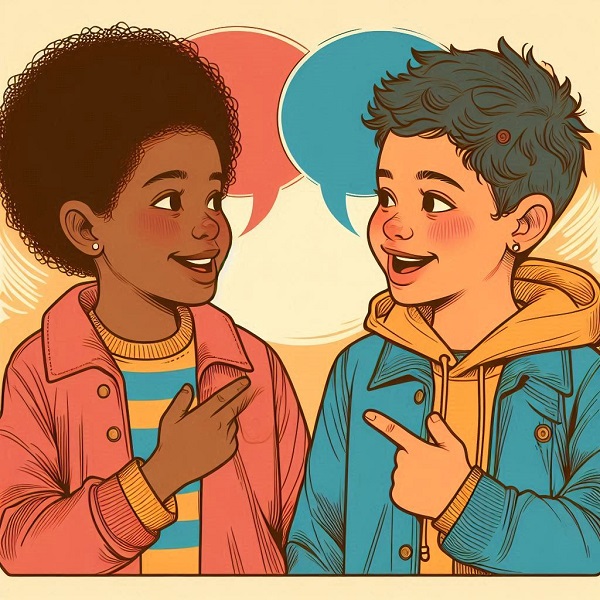
Helping Neurodivergent Children Build Social Skills
While social challenges can be daunting, there are many effective strategies to help neurodivergent children develop and practice their interaction skills in a supportive way.
- Personalised Social Coaching
Every child is unique, so individualised support tailored to their strengths and challenges can be incredibly effective. Social coaching focuses on:
- Practicing reading social cues
- Learning turn-taking in conversations
- Managing emotional reactions in group settings
One-on-one coaching or guided sessions with a therapist can help reinforce these skills through structured practice.





- Role-Playing and Demonstrations
One of the most effective ways to teach social skills is through role-playing scenarios. By acting out different social situations—like introducing themselves, sharing, or asking for help—children can practice real-life interactions in a low-pressure environment.
- Parents and educators can also model appropriate behaviours, such as:
Greeting people politely - Taking turns speaking in a conversation
- Recognising when someone is feeling upset or uncomfortable
- Using Positive Reinforcement
Encouragement goes a long way in helping children build confidence in social situations. Praising effort over perfection ensures children stay motivated to practice their skills.
- Celebrate small wins—such as making eye contact or waiting their turn
- Use verbal encouragement (“I loved how you let your friend talk first!”)
- Create reward systems (stickers, points, or special privileges) to reinforce positive interactions
- Social Skills Groups and Peer Support
Many children learn best through experience, so structured social groups can be a great way to build friendships in a safe, supportive setting.
- Social skills groups provide structured activities for neurodivergent children to practice conversation, teamwork, and problem-solving.
- Peer mentoring pairs children with a buddy who can help guide social interactions naturally.
- Community programs and after-school activities offer chances for structured social play outside of the classroom.
- Involving Family, Teachers, and the Community
Social learning shouldn’t stop at home or school—it thrives when the entire community is involved. Encouraging consistent social expectations across different environments helps children feel supported wherever they go.
- Educators can integrate social-emotional learning into daily classroom activities.
- Parents can reinforce skills at home by encouraging role-playing, group play, and discussion about emotions.
- Friends and relatives can be educated about how to support neurodivergent children in social settings.
Final Thoughts: Fostering Connection and Confidence
Helping neurodivergent children develop social skills is not about changing who they are—it’s about giving them the tools to communicate, connect, and navigate the world in a way that works for them.
By understanding their unique challenges, offering practical strategies, and creating supportive environments, we can empower these children to build meaningful relationships and feel confident in social situations.
Embracing neurodiversity means valuing every child’s unique perspective and ensuring they have the support they need to thrive socially and emotionally. With patience, guidance, and acceptance, we can help neurodivergent children grow into their fullest potential—one conversation, friendship, and connection at a time.
YOU MUST READ: What Is Neurodiversity? 7 Things Every Parent Should Know
