




World Hearing Day is more than a date on the calendar; it is a wake-up call. Every year on 3 March, the world turns its attention to hearing health and asks a simple question: Are we really listening?
Hearing is something most of us take for granted until we cannot. It connects us to laughter, music, warning signals and whispers of comfort. When hearing starts to fade, life can feel like a radio stuck between stations. The sound is there, but clarity is lost. World Hearing Day reminds us that protecting our hearing is essential.
ALSO READ: Causes of hearing loss in children & symptoms to watch out for
What Is World Hearing Day and Why Does It Matter
World Hearing Day is led by the World Health Organization to raise global awareness about hearing loss and ear care. The campaign encourages prevention, early detection and treatment of hearing conditions.
Hearing loss is not rare. According to global health data, about 430 million people require rehabilitation to address their disabling hearing loss (including 34 million children). Many cases are preventable, but when something can be prevented yet continues to grow, awareness becomes powerful.
Think of your hearing like your eyesight; you would not stare at the sun without protection. So why blast music through headphones at full volume? World Hearing Day challenges everyday habits that slowly damage our ears.
The Silent Impact of Hearing Loss
It Affects More Than Just Sound
Hearing loss does not only mean turning the volume up. It can affect communication, relationships, confidence and mental health. When conversations become exhausting, people often withdraw.
For children, untreated hearing loss can delay speech and learning. For adults, it can impact work performance and independence. For older people, it may increase the risk of cognitive decline. Hearing health is connected to overall wellbeing.
It Often Goes Unnoticed
Many people do not realise their hearing is deteriorating until it significantly affects daily life. It happens gradually: they miss a word here and there, ask people to repeat themselves more often or assume others are mumbling.
World Hearing Day highlights the importance of regular hearing checks. Early detection can prevent further damage and improve quality of life.
Common Causes of Hearing Loss
Noise Exposure
One of the biggest culprits is prolonged exposure to loud noise. Concerts, clubs, construction sites, traffic and personal audio devices all contribute. Even short bursts of extremely loud noise can cause permanent damage. Young people are particularly at risk because earbuds at maximum volume may feel harmless, but repeated exposure damages delicate inner ear cells that do not regenerate.





Infections and Illness
Untreated ear infections, certain medications and chronic health conditions can also lead to hearing problems. In many low and middle-income countries, preventable infections remain a major cause of hearing loss in children.
Ageing
Age-related hearing loss is common. As we grow older, our hearing naturally declines. However, healthy habits earlier in life can slow the process.
How to Protect Your Hearing
Turn Down the Volume
If someone standing next to you can hear your music through your headphones, it is too loud. A good rule is the 60 60 principle. Listen at no more than 60% volume for no more than 60 minutes at a time.
Use Ear Protection
Earplugs are not unfashionable; they are smart. Whether you attend live events or work in noisy environments, protecting your ears reduces long-term risk.
Schedule Hearing Checks
Just like eye tests or dental appointments, hearing tests should become routine. They are simple, painless and informative.
Seek Treatment Early
If you notice ringing in your ears, difficulty following conversations or persistent ear discomfort, consult a healthcare professional. Early intervention makes a difference.
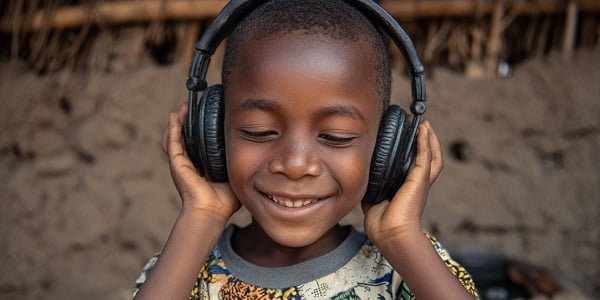
World Hearing Day and Children
Children rely on hearing to develop speech, language and social skills. Screening at birth and during early childhood is crucial. Parents and teachers should watch for signs such as delayed speech, inattentiveness or frequent ear infections. When hearing issues are identified early, interventions such as hearing aids or medical treatment can transform a child’s development.
Technology and Hearing Health
Modern technology offers solutions that previous generations did not have. Hearing aids are smaller and more advanced. Cochlear implants can restore access to sound for many individuals with severe hearing loss. At the same time, technology also contributes to the problem through excessive noise exposure. It is a double-edged sword. Awareness helps us use technology wisely rather than recklessly.
Frequently Asked Questions
When is World Hearing Day 2026?
World Hearing Day is observed on 3 March each year, including 2026.
Who organises World Hearing Day?
It is led by the World Health Organization to promote global hearing care awareness and prevention strategies.
Can hearing loss be prevented?
Many cases can be prevented by reducing noise exposure, treating infections early and avoiding harmful listening habits.
Are hearing tests painful?
No. Hearing tests are simple, non-invasive procedures that measure how well you hear different sounds and frequencies.
Why is early detection important?
Early detection allows for timely treatment, which can prevent further damage and improve communication and quality of life.
Conclusion: Start Listening Today
Raising awareness on World Hearing Day is not just about statistics; it is about protecting something deeply human. Our ability to connect through sound shapes how we experience the world. Ask yourself this: when was your last hearing check? If you cannot remember, that is your sign.
Turn the volume down, book a hearing test and talk to your family about ear care. Small steps today can preserve a lifetime of sound. Do not wait for silence to remind you of what you once had. Act now and encourage others to do the same.
References
World Health Organization. World Hearing Day https://www.who.int/campaigns/world-hearing-day
World Health Organization. Deafness and hearing loss fact sheet https://www.who.int/news-room/fact-sheets/detail/deafness-and-hearing-loss
National Institute on Deafness and Other Communication Disorders. Noise-Induced Hearing Loss https://www.nidcd.nih.gov/health/noise-induced-hearing-loss
