

No image or even the most detailed description on any social media platform can compare to the sensation of holding your baby, feeling them breathing and smelling their baby-powdered body next to yours.
The bond we form with our children cannot happen in cyberspace and nothing can ever replace the power of quality time and physical touch when it comes to having a relationship with each other.
As parents, we aim to make the best decisions on behalf of our children from the moment we receive the exciting news that a baby is expected.
Expectant mothers adjust their diets, take the daily handful of vitamins and attend the regular doctor visits.
Parents also consider the relevant insurance, decorate the nursery, choose the name this baby will be called for life, and so much more.
Is your unborn child’s digital footprint and privacy being considered?
We have all seen the sonar scan images shared on Facebook announcing the exciting news and why wouldn’t you share such amazing, life-changing news online?
The advent of instant messaging and social media means people rarely phone to share important news. Instead, we expect that if it was shared on Facebook, the world knows about it.
Sadly, this means we miss out on the opportunity to personally share the news, making the other person feel special and to hear the other person’s response, their excitement and their sincere message.
Let’s imagine for a moment you were born 13 years ago and you can now, finally, access most of the social media platforms your friends are on.
You are excited to create your profiles on Instagram, SnapChat, etc. and then come to the shocking realisation that your whole life has been shared online – from your pea-shaped developing body while still in your mother’s womb to the most embarrassing runny nose toddler photos.
We all know that the ‘perfect selfie’ doesn’t just happen on the first click and we play with the best filter, angle and background to make it look like #IWokeUpLikeThis. I am so thankful that the boxes and stacks of albums filled with photos of my childhood never made it into cyberspace!
Aside from the possibility that your child might become the next president of the country, an actor or Miss South Africa, it is important that we consider legislation, which has been put in place to protect our children as well. The right to privacy is serious and as parents we need to take care of our children’s digital footprints and protect them online.




“It is important that we consider the ripple effect each image you post of your child can create.”
TAKE A LOOK AT Roblox: What Parents Need to Know About Keeping Kids Safe Online
Tips for parenting in a digital age
While we endeavour not to become paranoid parents, let’s keep the following in mind for parenting in the digital age:
- Relationship: Having a strong and sincere relationship with your child will not only add a layer of protection, but also have a direct impact on their openness and ability to share their situation with you if they are in any kind of trouble. You will also be able to notice when something is wrong and act in a timely manner to help your child. Relationships take time, effort and energy. The good news is that you will reap the fruits and you will be thankful for making the effort while you had the chance. By time they access social media apps (usually 12 year and older) you would have set the foundation.
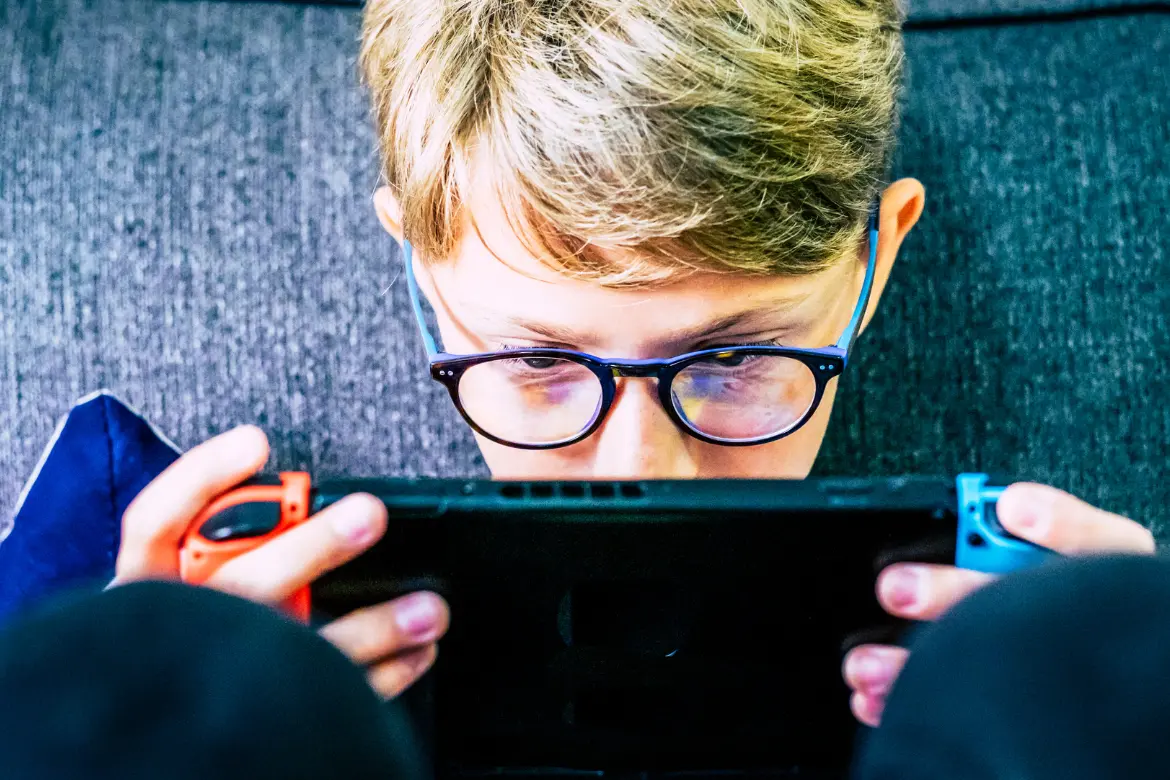
- Setting a good example: I’m sure you also laugh at the videos we see on social media of kids impersonating their parents, pretending to be speaking on a cell phone. While we laugh, we might identify with the situation and secretly think: “that looks like me”. It is all right and don’t be too hard on yourself, but teach your children to have shorter bursts of dedicated screen time during the day, instead of constant device-attachments to our hands and ears.
“Take the opportunity to teach your children to become responsible digital citizens, while also showing them what relationships with real people look like and how they should build these relationships.”
- Sharing just enough and protect the unprotected: Go ahead and share your happy news and special occasions with the world, but think twice before you just share something about your children. Ensure that those images are never embarrassing and that their bodies are not exposed – and don’t share their personal details. Information such as the hospital card – listing their date of birth, weight, etc.- and the actual hospital they were born at, the preschool or playgroup they go to, and where you live would never be put on a billboard next to the highway, so why would you share it online?
Enjoy recording and documenting your children’s lives, but don’t sacrifice the time you spend holding them with both hands, looking them in the eyes and enjoying laughing together.
Devices can be stolen, but those moments will fill your memory treasure chest forever and create a foundation for our children to build better lives on.
ALSO READ:
Digital Parenting: How to Filter and Protect Kids Online
Tech and Teenagers – 10 Screen-Time Rules That Work for South African Parents
