


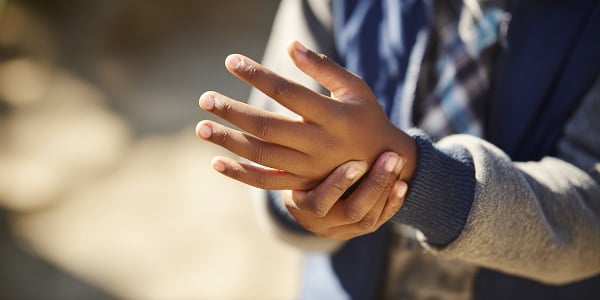
Q: Do children get arthritis?
A: Like many people, you may be surprised to learn that children get arthritis. It is important to note that the type of arthritis that children get is entirely different from the most common type of adult arthritis, called osteoarthritis. Juvenile arthritis is also different from a kind of adult disease called rheumatoid arthritis. Only 10% of children test positive for rheumatoid factor.
Arthritis in children is called Juvenile Idiopathic Arthritis (JIA). Idiopathic means that the cause is unknown.
We don’t know how many children in South Africa have juvenile arthritis, but we estimate it to be around 20,000, many of whom are undiagnosed. Juvenile arthritis responds well to early, aggressive treatment.
NB: Arthritis in children is caused by autoimmunity.
Q: What is autoimmunity?
A: Our immune system protects our body. One of the ways it does this is by attacking things that infect us, like viruses and harmful bacteria. In some people, the immune system starts to attack the body, causing inflammation and damage. No one understands why this happens. It is called autoimmunity; “auto” means “self”, i.e. immunity against yourself.
Q: Is autoimmune the same as a weak immune system?
A: No. Having an autoimmune disease does not necessarily mean you have a weak or deficient immune system. It means you have an immune system that doesn’t work the way it is supposed to.
NB: It is important to note that some of the treatments for juvenile arthritis can suppress a child’s immune response. In other words, some medicines make the child more vulnerable to infection.
Q: What causes autoimmunity?
A: No one knows. There are many theories, but no definitive answers. It is believed to be an interaction between a person’s genes and their environment. In other words, a child’s specific genetics make them more susceptible to developing autoimmunity. These genes are triggered by something they encounter, like a virus, bacteria or something else entirely, like a tick bite. Not all people with a genetic predisposition necessarily develop autoimmune disease.
Q: Can autoimmunity be cured?
A: No, unfortunately not. It can only be managed by treating the symptoms and suppressing the immune system to limit the damage it does to the body. It can, however, go into remission, which means that the levels of disease activity are too low to cause symptoms.
NB: If you encounter someone who says they can cure autoimmunity, proceed with caution. Autoimmunity affects millions of people around the world. If there were a reliable, replicable cure, then no one would be able to stop that information from spreading. Autoimmunity can be managed, not cured.
Q: What is arthritis?
A: Arthritis refers to over 100 diseases and conditions that cause pain, stiffness, and inflammation of the joints.




Q: What is juvenile idiopathic arthritis?
A: Juvenile idiopathic arthritis is the name of a collection of related autoimmune diseases that start before the age of 16 and which affect a child in various ways. JIA is the most common form of childhood rheumatic diseases; i.e. those affecting the supporting and connective structure of the body, including bones, muscles, joints, tendons and ligaments. JIA is diagnosed when all other possible causes of the symptoms have been ruled out.
Q: Are you sure it isn’t just growing pains?
A: Growing pains do sometimes occur in young children from around five and then again in the last stage of teenage growth. Growing pains only ever happen at night and are limited to large joints, like the knee. Growing pains respond well to massage, and if very bothersome, can be treated with something like Neurofen.
NB: Growing pains will never result in swelling, inflammation, or the disuse of a limb.
Q: Is juvenile arthritis contagious?
A: No, autoimmune diseases are not contagious.
Q: What are the symptoms of juvenile arthritis?
A: Different children are affected differently but will usually suffer a combination of the following symptoms: intermittent fevers, skin rashes, unusual fatigue, achy and stiff joints – especially in the morning and after sitting for a long time. Joint pain and fatigue are the most common long-term symptoms.
NB: There are seven subtypes of juvenile arthritis, and each has specific symptoms.
Q: Are the symptoms constant?
A: No. Autoimmune diseases are characterised by symptoms that come and go in waves called flares. A flare is when the disease activity is very high. Remission is when disease activity cannot be detected. Disease activity is not predictable, and periods of remission and flares can last for days, weeks, months or even years.
Q: What causes a flare?
A: A flare can be triggered by anything that triggers the immune system, including infection, and emotional, mental, or physical stress.
Flares can come on suddenly and go quickly or can linger for weeks. A child can be running around one afternoon and be too sore to move the next day.
Q: How is juvenile arthritis treated?
A: Juvenile arthritis responds well when diagnosed early and treated aggressively. Treatment focuses on reducing inflammation and suppressing the immune response that creates the symptoms. Treatment usually includes a Disease-Modifying Antirheumatic Drug (or DMARD), the most common of which is methotrexate. Other examples of DMARDS include Sulfasalazine, Leflunomide and Hydroxychloroquine. These may be combined with either a non-steroidal anti-inflammatory, like Nurofen or Voltaren or a corticosteroid (cortisone), like Prednisone.
For more severe or resistant disease, there are new medicines called biologics that have revolutionised treatment for many, but which are only required by a small percentage of children with juvenile arthritis.
Q: Can a child outgrow juvenile arthritis?
A: Some children do outgrow the disease, and this is most likely for children with the subtype oligoarthritis. All subtypes can go into long-term remission, which means the child will be free of all symptoms. A chemical remission means no symptoms while taking medicine. A chemical or drug-free remission means no symptoms even when off the medication.
Q: How does arthritis feel?
A: It is easier to imagine how arthritis feels if you understand a little more about joints. This diagram is of a normal knee joint. It consists of two bones held in place by tendons and ligaments. The ends of the bones are capped with cartilage and contained within a membrane called the synovial capsule. This membrane produces a fluid called synovial fluid. The fluid-filled membrane lubricates your joints to enable easy movement, among other vital roles. It’s called non-Newtonian, which means it reacts to pressure, changing from a liquid to something resembling a solid. In other words, the fluid becomes hard under pressure.
In diseases like Juvenile Arthritis, the immune system attacks the synovial membrane, causing it to become inflamed, thicken and produce more fluid. The result is a joint that is difficult and painful to move.
Some children also have inflammation where the tendons and ligaments connect to the bones, which creates pain with movement. The immune activity that causes inflammation of the joints can also affect other parts of the body. Psoriatic arthritis, for example, includes inflammation of the skin. Some types of juvenile arthritis include uveitis, which is inflammation of the eye. Some children with juvenile arthritis develop inflammatory bowel disease. In juvenile systemic arthritis, the inflammation extends to the whole body and can, in rare cases, be fatal.
Arthritis pain is comparable to a severe sprain or bone fracture. To move is to be in pain. Reducing the inflammation reduces pain.
- HEALTHY JOINT
- MUSCLE
- SYNOVIAL
- MEMBRANE
- CARTILAGE
- BURSA
- TENDON
- BONE
- JOINT CAPSULE
- JIA JOINT
- ERODED BONE
- SWOLLEN INFLAMED
- SYNOVIAL MEMBRANE
- BONE OVERGROWTH
- DAMAGED CARTILAGE
- INCREASED
- SYNOVIAL FLUID
Q: How does this disease affect children physically?
A: Arthritis affects everyone differently and at different times. Some children, who are diagnosed early and receive the proper treatments, respond quickly. Other children battle for a long time to get their arthritis under control. All children with arthritis will be in pain at some point or another, and this can be significant. The McGill Pain Index lists arthritis pain as being worse than a sprain and the same as a bone fracture.
Some children will have obvious physical disabilities or deformities. Others will look completely healthy. It is important to remember that autoimmune disease symptoms are often invisible to the eye. Children may be suffering from extreme tiredness or may feel ill or sore without any outward signs.
Here are some ways arthritis affects children:
- Juvenile arthritis causes pain and stiffness, and this can make movement difficult. This is especially true after being in one position for an extended time, like first thing in the morning or after sitting for a long time.
- Moving from one place to another might take longer.
- They may physically battle to keep up with other children or during sports.
- They may be exhausted from the pain, both because it keeps them awake and because it makes everything harder.
- Sitting cross-legged may be impossible for some children. Getting up from the floor may also be challenging.
- Handwriting is difficult for children with arthritis in their hands and wrists.
- Children with arthritis may be suffering from issues associated with not moving correctly. These include muscle atrophy, weakness, and joints that don’t move through their full range. These children may also have sensory and self-regulation issues and may need the support of occupational therapists and physiotherapists, among others.
The treatments for juvenile arthritis can also impact other aspects of a child’s life. Some side effects include nausea, fatigue, sleep disturbances, headaches, and physical changes like bloating. Many of the treatments leave these children vulnerable to infections.
Q: How might this diagnosis affect a child emotionally?
A: It’s difficult to explain how this disease impacts children emotionally. People are fond of saying how resilient children are. While it is generally true that children have a better ability to bounce back from traumatic events than most adults, it is essential to remember that children with chronic conditions are affected repeatedly in unpredictable and significant ways.
Here are some ways arthritis might affect children emotionally;
- They may be suffering from the impact of the diagnosis, including the reaction of their parents or caregivers.
- Children may develop high levels of anxiety about medical interventions and treatments – many of which can be invasive and painful.
- They may also be exhausted from trying to anticipate pain and how to avoid it.
- Juvenile arthritis can interrupt sleep. No one functions properly without enough sleep.
- They may be physically limited in their ability to play, interact, and keep up with other children. This can have dramatic social implications for the child, resulting in them feeling lonely and isolated. Perfectly ordinary activities like jumping castles, trampolines, roller-skating, cycling, or swimming offer opportunities for feeling excluded. Sports days can be a minefield.
- Children who are diagnosed when they are slightly older might be dealing with a loss of physical function. A child who previously played sports may be left out of a team because they are simply in too much pain to play or are too tired to keep up with the practice schedule. This can be a devastating loss.
Children suffering from any kind of emotional stress or anxiety can be unresponsive to instructions, emotionally distant, and may have trouble forming relationships. Trauma would therefore impact their ability to function fully and interact in an age-appropriate way.
There is no easy or quick fix to any of this. Children living with a chronic disease will benefit from being surrounded by aware and nurturing adults. Many children benefit from play therapy or other types of counselling.
Q: How might juvenile arthritis affect the child’s parents/ caregivers?
A: Each case is unique, but a chronic disease diagnosis can be very traumatic. Diseases like juvenile arthritis are unpredictable – children can be fine one day and in terrible pain the next. This uncertainty can be exhausting and worrying for everyone concerned.
Sometimes it takes a while to find the right combination of medicine. Each new treatment takes time to evaluate. This waiting, especially if the child is in pain, is scary and frustrating for most families.
In addition to feeling fearful and stressed, parents might also be weighing the financial impacts of the disease, managing conflicting views of treatment within the family, or being exhausted from being awake with a child who can’t sleep because of pain.
A sick child can also create stressful logistical difficulties if parents or guardians work and there is no one at home during the day.
Almost all parents/ guardians who receive a chronic diagnosis are re-evaluating the life they imagined for their child and facing fears about how they will cope.
Q: Can a child with juvenile arthritis go to school?
A: Yes. A child must carry on with their life. The only time a child with this disease will not come to school is if they are simply too sore or tired, or if they are avoiding an outbreak of a contagious disease.
Q: How can I support a juvenile arthritis pupil?
A: This will depend on the child, their symptoms, and the degree of disease activity. We advise that you meet with the child’s parent or caregiver to understand which joints are affected and what the child’s specific limitations and needs are.
Here are some of the ways children with juvenile arthritis can be supported;
- Try and ensure they are seated facing forward to avoid having to twist their necks or spines (if these joints are problematic).
- Children with hand or wrist arthritis may need writing aids or may even need to use a computer.
- They may need extra time for tests and exams.
- Children sometimes need to use occupational therapy aids like cushions or may need to elevate their feet.
- Some children can’t sit cross-legged and may require a chair instead.
- They may need a little extra time to move between lessons or get to sports fields.
- Some children’s symptoms are made worse by the cold, and they might benefit from a hot water bottle or blanket.
- Some children may use crutches or even a wheelchair and may need assistance navigating the school grounds.
- Children with this disease are sometimes overcome with tiredness, either because this is a symptom or because the other symptoms interrupt their usual sleep patterns. They may benefit from lying down in the sick room for a lesson.
- Maintain a constant flow of fresh air through the classroom to minimise the spread of infections.
NB: Be on the lookout for signs that a child is isolated or becoming depressed.
Schools must find ways to include all children in school activities, including those with physical limitations. Leaving a child out of a school sports day, for example, is hurtful and humiliating to both the child and their family.
Q: Can children with juvenile arthritis participate in sports?
A: A child with juvenile arthritis needs to keep moving. Playing sport is a great way to stay mobile, fit and healthy – often easier said than done. Encourage the child to stay active by explaining the importance of movement in terms of reducing pain and maintaining muscle strength.
NB: Movement is essential for children with arthritis. Without it, they will become progressively stiffer, which in turn makes movement even more difficult. Consult with the child’s parents in this regard.
Q: Any special considerations?
A: Yes. A child being treated for juvenile arthritis should avoid outbreaks of infectious diseases like measles or chickenpox, for example. Encourage children to wash their hands regularly to prevent the spread of germs. Unvaccinated children pose a particular risk to immunocompromised children.
FOR MORE INFO: https://arthritiskids.co.za/parents/
