


From 11 to 15 November 2025, South Africa turned its attention to a cause that transcends borders, classrooms and corporate corridors. Anti-Bullying Week is a movement that reminds us that kindness is not just a virtue, but a form of resistance. Anchored by the theme “Power for Good”, this year’s campaign by the Anti-Bullying Alliance urges individuals, schools and workplaces to unite against bullying in all its forms. The annual event calls for practical action across schools, homes and workplaces so prevention, early intervention, and long-term support become the norm rather than the exception.
On 21 November 2025, we mark International Stand Up to Bullying Day, a global moment to wear our courage like a badge and reaffirm our commitment to safe, inclusive spaces.
Why It Matters
Bullying is not just a childhood issue, but rather a systemic challenge that affects mental health, learning outcomes, workplace wellbeing and family dynamics. Whether it’s cyberbullying, exclusion, physical or verbal abuse, the scars can last a lifetime. According to global awareness campaigns, bullying is a form of violence that can impact someone emotionally, psychologically and sometimes physically.
Recent bullying incidents at schools have shocked communities and the dismal behaviour we have seen highlights once again that children need guidance, protection and intervention.
I have personally seen the devastating impact of cyberbullying and related issues through the victim support offered through SaveTNet Cyber Safety and it is one of the main focus areas when I speak at schools, because sadly, the majority of children put up their hands when asked if they have experienced, or know of someone who has been bullied.
We also need to recognise that there are three role players in a bullying situation and it’s important to recognise the role each one of us plays, how we can offer support or change our own behaviour to stop the bullying.
- The victim
- The bully
- The bystander
This year’s Anti-Bullying Week focuses on empowering young people and adults alike to be upstanders, not bystanders. It’s about shifting the narrative from fear to action, from silence to solidarity.
Bullying in all its forms (including cyberbullying and harassment) has direct, lasting effects on mental health, learning and community wellbeing. The Department of Education makes this clear in its Anti-Bullying Week guidance, condemning bullying and committing to “violence-free school environments” as an urgent priority.
The risks are systemic, and safety, psychosocial support and consistent curriculum responses are essential to protect learners and help them thrive.




Government Guidance
The Department of Basic Education requires schools to adopt clear rules and structures to prevent and respond to bullying. The department states that schools must “develop, adopt and implement learner codes of conduct to address any form of ill-discipline such as bullying”. They should also put in place disciplinary and safety committees to investigate and manage incidents.
The department also highlights coordinated partnerships and programmes to strengthen prevention and support with government entities, international agencies and industry for online safety and psychosocial support.
The department emphasises that bullying has no place in our schools, and the department is committed to eradicating this heinous practice.
What Works:
The Department of Basic Education recommends evidence-based actions to reduce harm.
- Policy and accountability: Clear learner codes of conduct, disciplinary committees, and school safety committees create structures that enable consistent, fair responses to reports of bullying.
- Curriculum and education: Teaching about bullying, its causes, consequences and peaceful conflict resolution through Life Orientation builds skills across grades and encourages learner agency.
- Psychosocial support: Trained learner support agents and accessible referral pathways reduce trauma and help learners recover and stay connected to learning.
- Partnerships and whole-community action: Collaboration with provincial education departments, social development, online-safety partners, civil society, and tech companies strengthens prevention and creates clearer reporting routes.
How communities and individuals can show up
- Schools: Review and publicise learner code of conduct; train disciplinary and safety committees, run age-appropriate lessons and equip learner representative councils to lead awareness activities.
- Parents and carers: Start conversations about respect, model digital kindness, and know the school’s reporting procedures so you can act early.
- Employers and workplaces: Translate anti-bullying principles into staff codes of conduct and support for parents and young employees.
- Young people: Use your voice through student councils or peer networks to shape school culture and report harmful behaviour.
Call to Action
Anti-Bullying Week is a focused moment and a year-round obligation. The Department of Basic Education’s guidance is a practical blueprint: policy, curriculum, support, and partnership must work together to end bullying in schools. Stand up, speak out and turn policy into practice so every learner can feel safe, seen and supported this November and beyond.
ALSO READ: 10 Ways Parents Can Help Stop Bullying Behaviour in Children
Where to Go for Help
It is crucial that you and your child know where to go for help and to remember that it is not a sign of weakness, but rather courageous to reach out to a professional who can support you. In South Africa, we have numerous organisations and people who create awareness for bullying and cyberbullying. I encourage you to learn from the tools they offer.
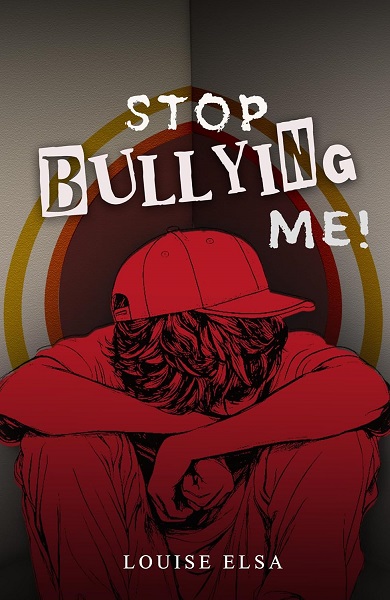
A book I can recommend as a useful guide for teens (ages 11 to 18) to recognise, stand up to and deal effectively with bullies is titled: Stop Bullying Me! by Louise Elsa. In her book, published in October 2025, Louise shares practical guidance based on her experience as a counsellor for teenagers. As parents, it also gives us a different perspective and can be used as a tool to have important conversations with our children in a caring way. Ultimately, it’s best if the child is empowered to confront and prevent bullying, but parents, grandparents, educators and witnesses will gain insight to support young people facing peer pressure and bullying.
Louise touches on issues like:
- Recognising the signs of bullying
- Copying strategies for teens
- Anxiety and mental health concerns
- Recovery from being bullied and
- Resources and quick help reference guides for different countries
The book is available on Amazon and Takealot.
ALSO READ: What you should know about cyberbullying
** As an Amazon Associate, BabyYumYum may earn from qualifying purchases.
