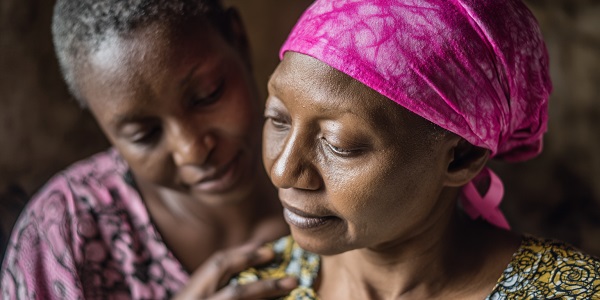
Breast cancer care is not just about access to clinics and treatment. For many women, cultural beliefs, community expectations and fear of judgement can shape how soon they seek help or whether they seek help at all. In some communities, breast cancer care becomes entangled with ideas of sin, shame or even witchcraft. These beliefs can delay diagnosis and make women feel isolated at the very moment they need support the most. Understanding these cultural barriers is the first step to helping women receive care with dignity and compassion
READ THIS ARTICLE FOR FREE!
Want more like this without limits? Go premium with full access to expert content, parenting tips, practical checklists and helpful downloads to make life easier and simpler for parents.
Breaking the silence around breast cancer screening and treatment could be a game-changer for South African women in communities where cultural stigmas persist. This Breast Cancer Awareness Month, Dr Fatima Hoosain is countering the baseless discrimination that frequently prevents women from self-testing or acting on any symptoms.
Hoosain is a Cape Town-based surgeon with a special interest in breast, thyroid and parathyroid health. “Far too many females remain at risk because of cultural misconceptions that exist within their communities,” she says. “We want our ladies to be empowered to take every necessary precaution and openly share their experiences of a disease that is very common among South African women.”
A 2023 study by researchers from the Durban University of Technology (DUT) and Mangosuthu University of Technology (MUT) showed that rural women battling breast cancer suffer from various sociocultural interpretations of cancer. It can even be viewed as a sign of witchcraft or sin and punishment. Women in Soweto, South Africa’s largest township, have also experienced stigmatisation due to “confusion and gaps in understanding of the disease”, according to a November 2024 study by researchers from the University of Witwatersrand and University of Southampton (UK).
While breast cancer affects women of all races in South Africa, the DUT/MUT study found that 63.4% of patients of African descent are in stages three and four of the disease by the time that they are diagnosed. “The late presentation is primarily due to women not going for annual or bi-annual screenings,” says Hoosain. “Whilst mammography is the gold standard for early detection, if you cannot access a screening service, breast self-examination (BSE) may well save your life.”
“By checking their breasts monthly, women can detect changes or abnormalities and get medical attention if they notice anything unusual. It is a simple process: you stand in front of a mirror and check for any changes in size, shape and skin texture. You can then use the pads of your fingers to gently press in a circular motion, covering the entire surface, from the outer edge to the centre.”
If a woman notices any lumps, changes, or unusual symptoms, she should immediately consult her closest healthcare provider, who may conduct a screening mammogram. While the presence of lumps may not always indicate an early cancer, BSE can allow a person to be diagnosed early enough to receive effective curative treatment.
“Rural women are strongly associated with late cancer diagnoses due to a lack of regular screening,” says Hoosain. “There are many reasons for this, including high unemployment rates, lack of resources, distance to the nearest health facility, lack of transportation services, lack of education, insufficient knowledge and awareness, and lack of family support. BSE can start at home – helping women to feel comfortable, especially in communities where stigmas around breast cancer are prevalent.”
More conservative groups and some religions also consider the breast health subject taboo, creating reluctance in patients to seek treatment. Several studies conducted around the world have confirmed that regular screenings can reduce the number of deaths from breast cancer for women aged between 40 to 74 by more than half.
“Regular self-exams, while not as effective as mammographic screening, are important so you can spot any changes and treatment can be promptly prescribed,” says Hoosain. “Breast cancer is a curable disease if detected early, and this is the message that we really want to get across.”
ALSO READ: 2 of the Rarest Breast Cancers Explained
Get trusted, parent-approved advice at your fingertips. Premium gives you expert guidance, real-world tips and member-only downloads. Try it out for unlimited access, exclusive content and helpful parenting tools.
YOU MAY ALSO LIKE
I had breast cancer & couldn’t breastfeed my babies. Join me as I share my journey and the strength I found during this challenging time.